Note: This website was automatically translated, so some terms or nuances may not be completely accurate.
 NRF 2026: The Latest & Cutting-Edge Report on the Retail and Commerce Sectors [3/3]
“Retail Landscape 2.0” — How Has Agentic AI Transformed Retail & Commerce? (Part 1)
It has been two months since Google announced “Agentic Commerce” in January 2026, and there are now only two months left in the year. Through the Dentsu Group’s participation in NRF APAC 2026 in June and a summer study tour of the U.S. retail sector, I have a strong sense of the massive tectonic shifts occurring in the retail industry as it transitions from the post-COVID era to the “with Agentic AI” era.
Ahead of NRF 2027 @ NYC, scheduled for January 2027, I would like to explore the retail paradigm shift in the “with AI” era from 2025 to 2026, the outlook for the next quarter-century, and derive new perspectives and viewpoints for retail marketing in Japan.
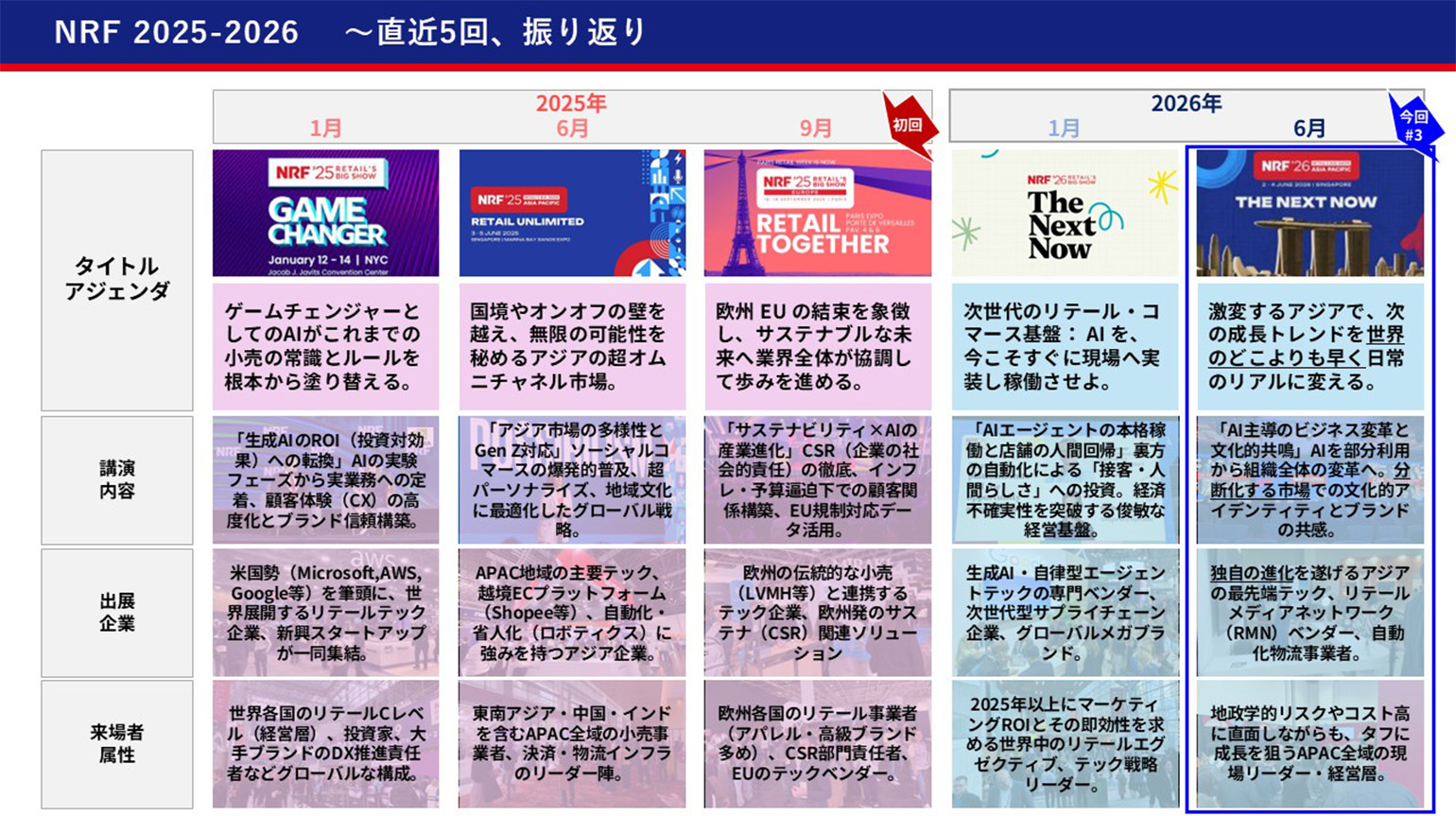
APAC’s Position
I’ll provide an overview of the most recent NRF conventions, including NRF EUROPE, which was held for the first time in September 2026. At the third NRF APAC 2026, held in June, the title agenda matched that of the U.S. event for the first time.A remark made during the opening keynote was particularly symbolic: “It is no exaggeration to say that APAC is now the ‘largest growth engine’ in the global retail and commerce industry and serves as a ‘proving ground’ for the future, with the center of gravity having already shifted from Europe and the U.S. to Asia. Market scale, high target audience penetration, a mobile-first environment, and AI will all accelerate this trend.”
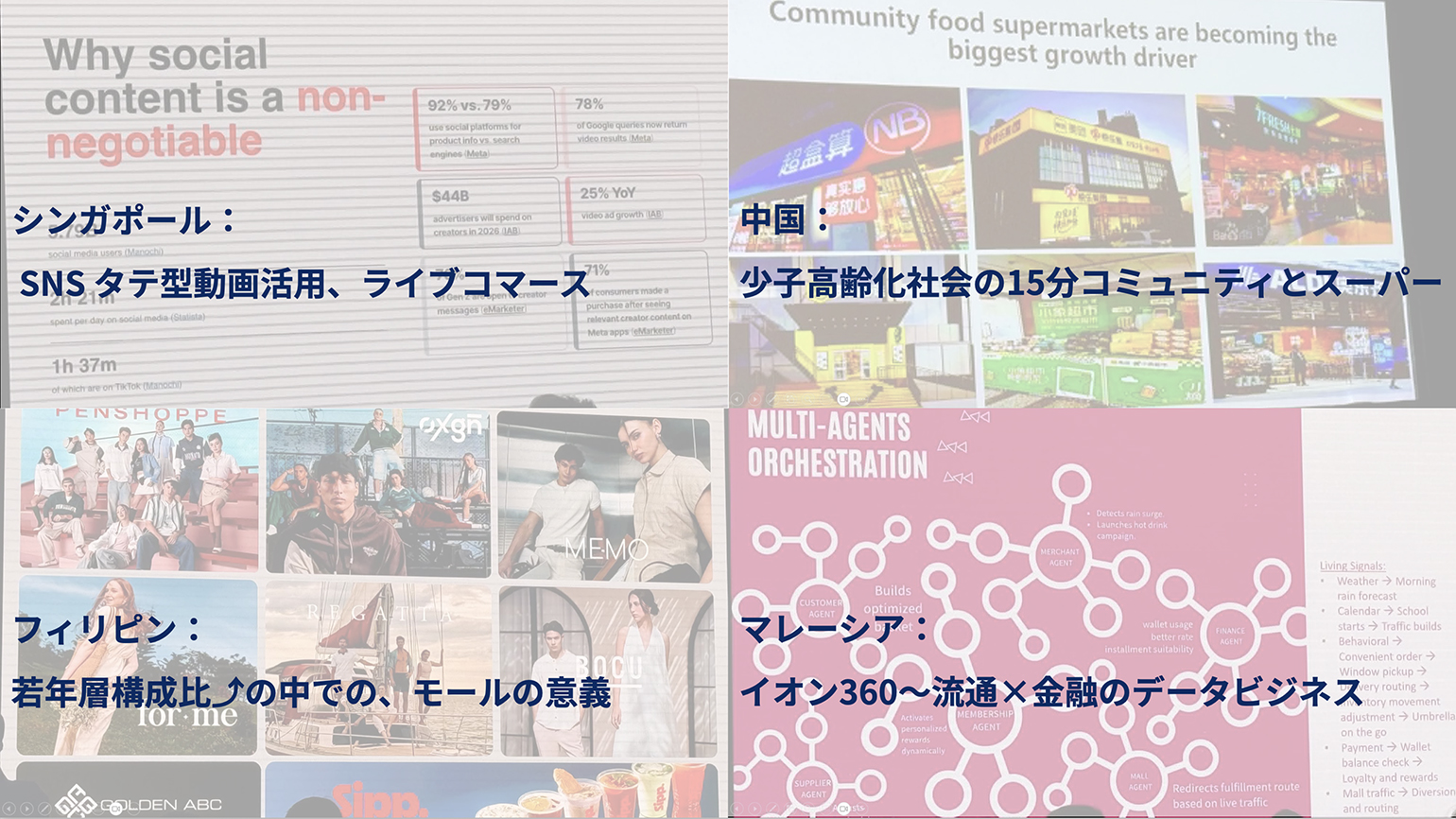
The session highlighted the diverse retail and commerce environments across various APAC countries, including the following:
① Singapore
Given its market dominance—it’s no exaggeration to call it the business hub of APAC—Singapore has leveraged its compact yet well-equipped environment, complete with the necessary technology and network infrastructure, to drive the growth of live commerce via smartphones and social media.
➁ China
In a society experiencing rapid population aging and a declining birthrate, communities centered around “15-minute catchment areas”—which minimize mobility burdens—are maturing. Urban supermarkets (grocery stores) that enable low-cost, one-stop shopping are gaining prominence.
➂ Philippines
In a social structure strongly influenced by the United States, where the proportion of young people with strong consumer spending power continues to grow, large-scale malls centered on fashion and apparel tenants hold a competitive advantage in attracting customers.
④ Malaysia
While large-scale malls, such as those operated by Aeon, are popular as “shopping destinations,” the region has seen early—and rare—development of “One ID” data businesses that integrate retail and finance, thanks to a culture that is tolerant of Halal practices despite differing lifestyle habits.
The Current State of Retail & Commerce in Singapore
From here, I’d like to take a look back at the current state of retail and commerce in Singapore—where NRF APAC 2026 was held—in conjunction with the technologies implemented by the exhibiting companies.
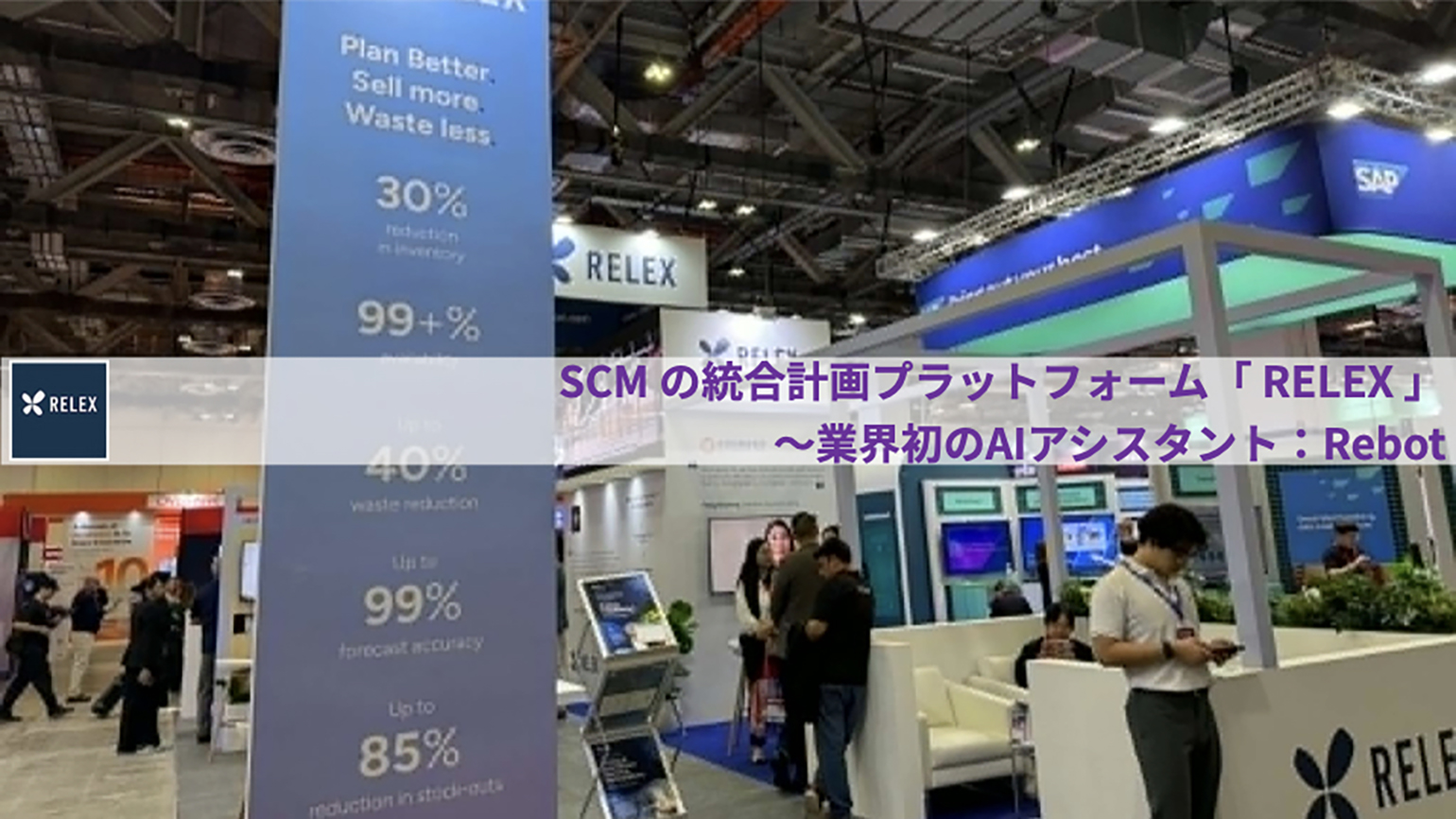
RELEX, a Finnish SaaS company specializing in eco-friendly, ethical, and smart supply chain management, celebrated its 20th anniversary this year and is a quintessentially Nordic retail solutions provider.
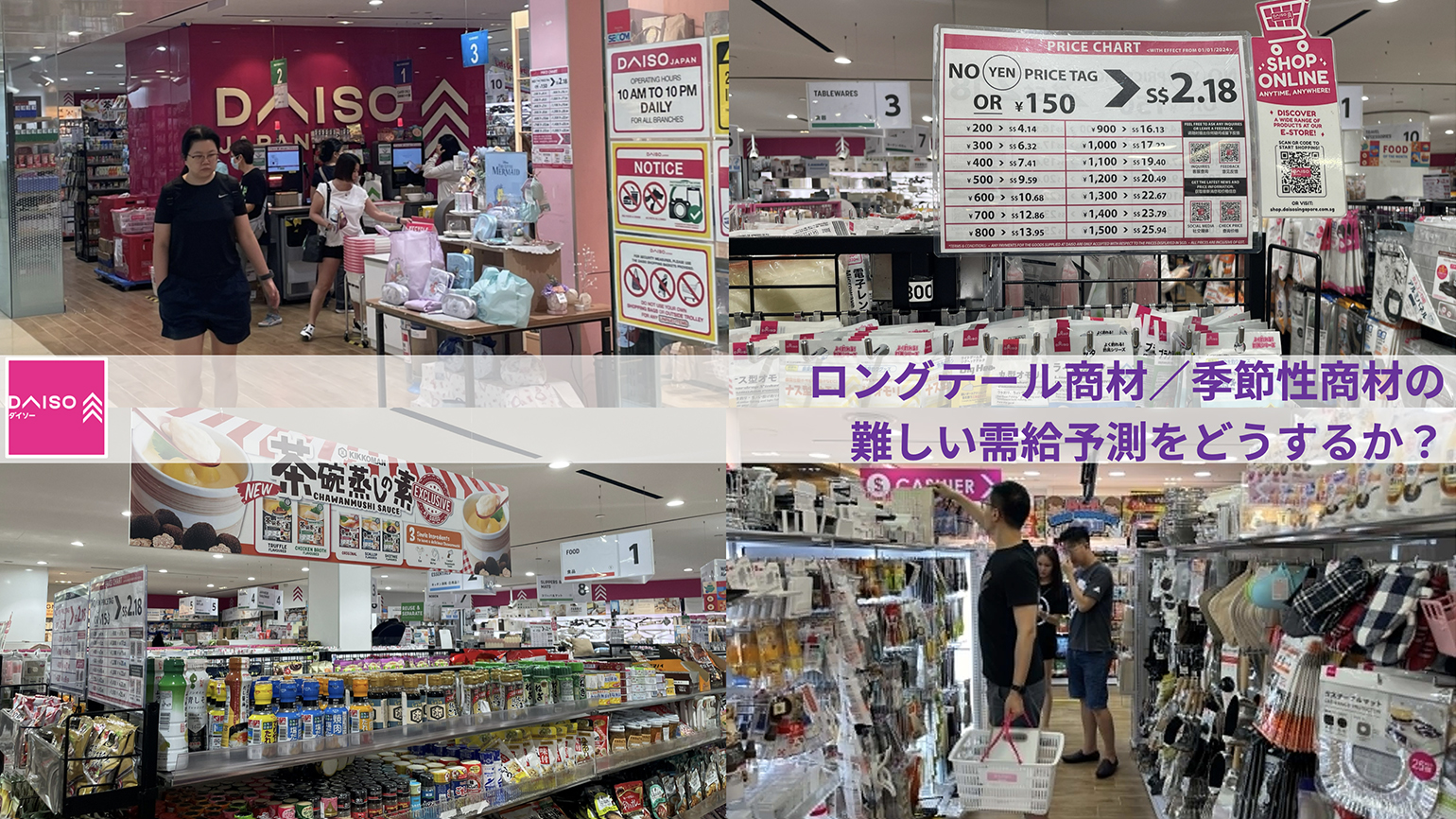
The company has been expanding its customer base in the APAC region in recent years, and DAISO—a familiar name in Japan—is one of the companies using RELEX. DAISO, which has recently been aggressively expanding its store network overseas, boasts a strength that lies above all in its affordable and diverse product lineup, featuring over 20,000 SKUs in a standard store. At the same time, demand forecasting for each individual item becomes extremely complex due to the breadth of product categories.Small merchandise items—which play a key role during event seasons like the upcoming Halloween and Christmas, where short-term seasonal demand forecasting is essential—are a prime example of this. RELEX’s advanced AI-powered demand planning and inventory/ordering planning are highly accurate and appear to maintain a strong competitive advantage over rival services.
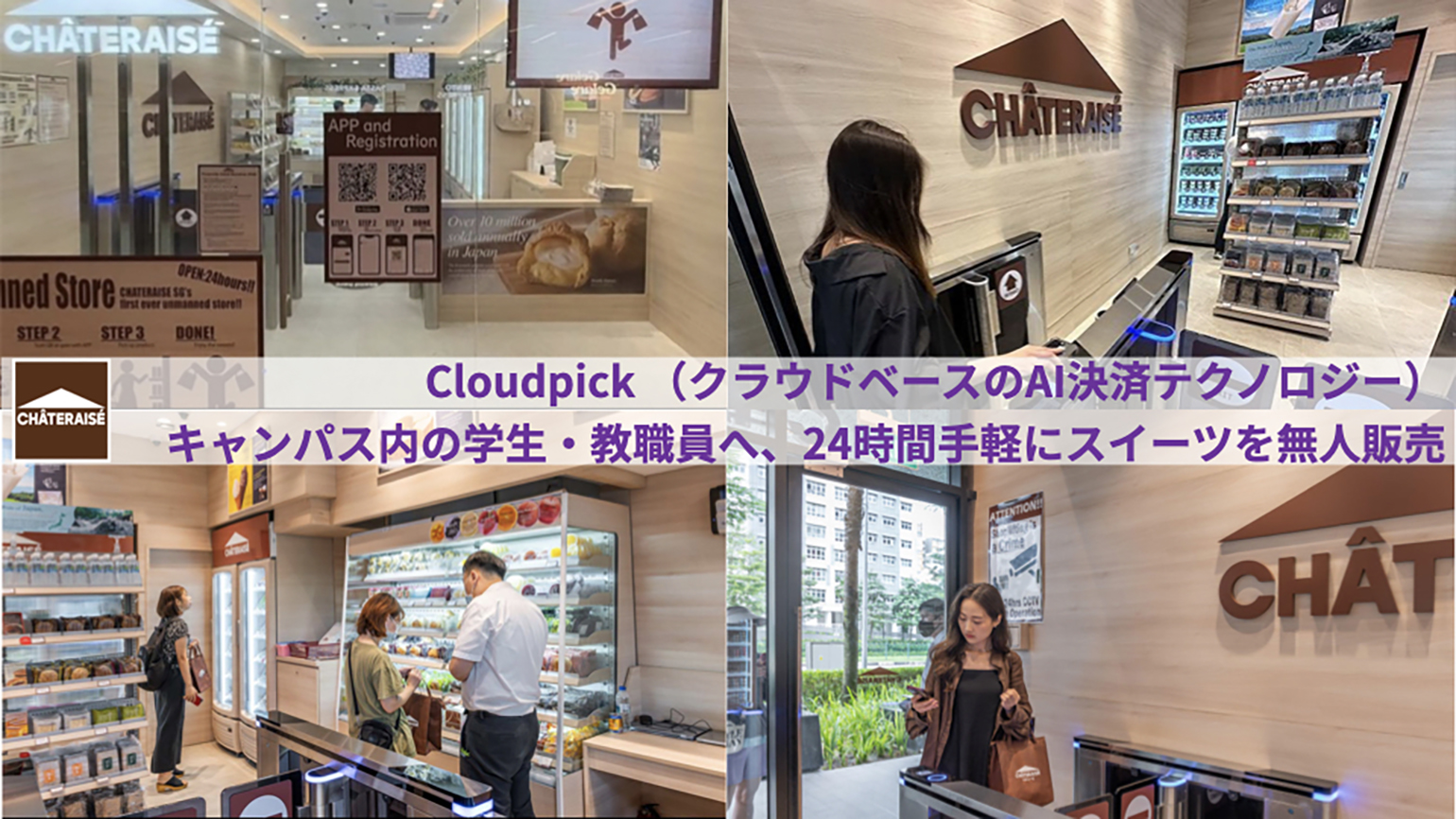
Here’s another case study featuring a Japanese company expanding into the APAC region: Chateraise, which is popular in Southeast Asia—a region with a sweet tooth—for its high-quality Japanese sweets. Going beyond opening franchise locations in urban areas, the company has opened an unmanned store on the campus of NTU (Nanyang Technological University) in Singapore so that students and faculty can easily enjoy high-quality sweets 24 hours a day.
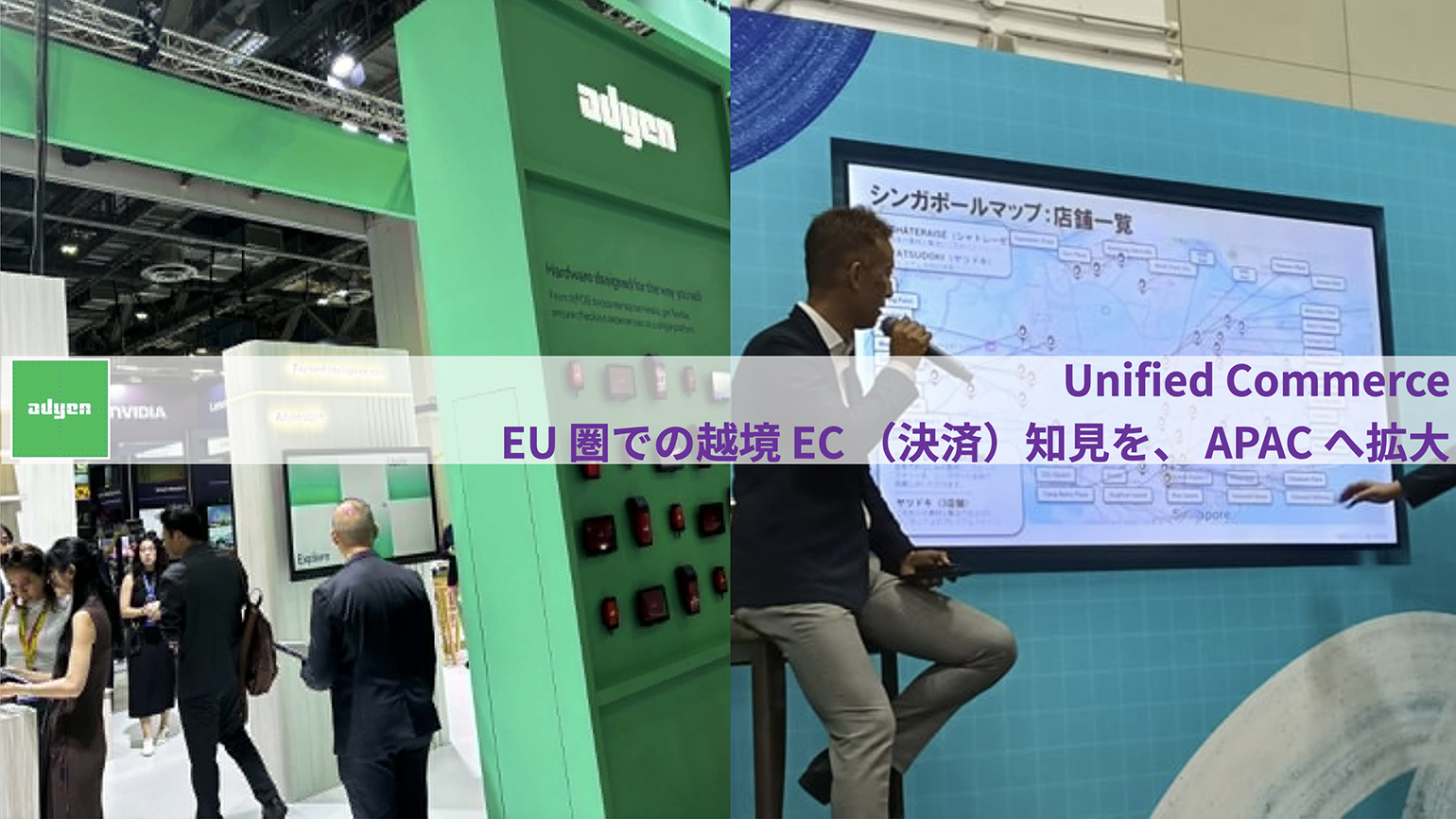
The solution deployed there is Cloudpick—a cloud-based, walk-through AI payment technology—from Adyen, a Dutch company widely recognized as a payment platform provider in the EU.It could be considered a rival to Amazon’s “Just Walk Out” unmanned store solution from the U.S. Reports indicate that by standardizing the systems—which previously varied depending on the local financial institutions and payment processors that franchise owners had contracted with individually, regardless of whether the store was unmanned or staffed—the time required to implement payment infrastructure for new franchisees has been significantly reduced, and the burden on owners has also been alleviated.
This can be seen as an example of cross-border retail and commerce expertise—unique to Europe, where different countries and cultural regions coexist—being implemented in the APAC region as “Unified Commerce.”
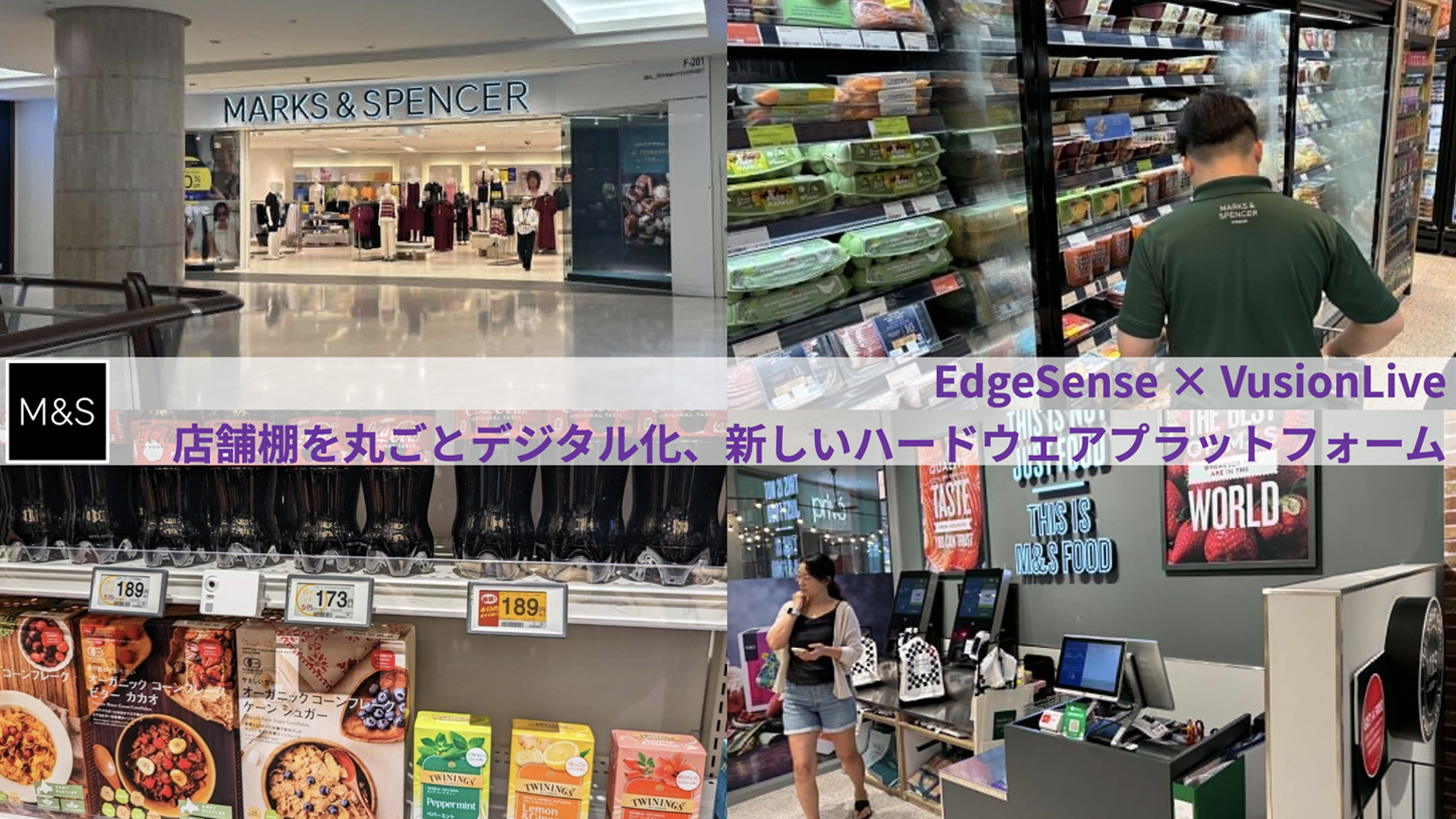
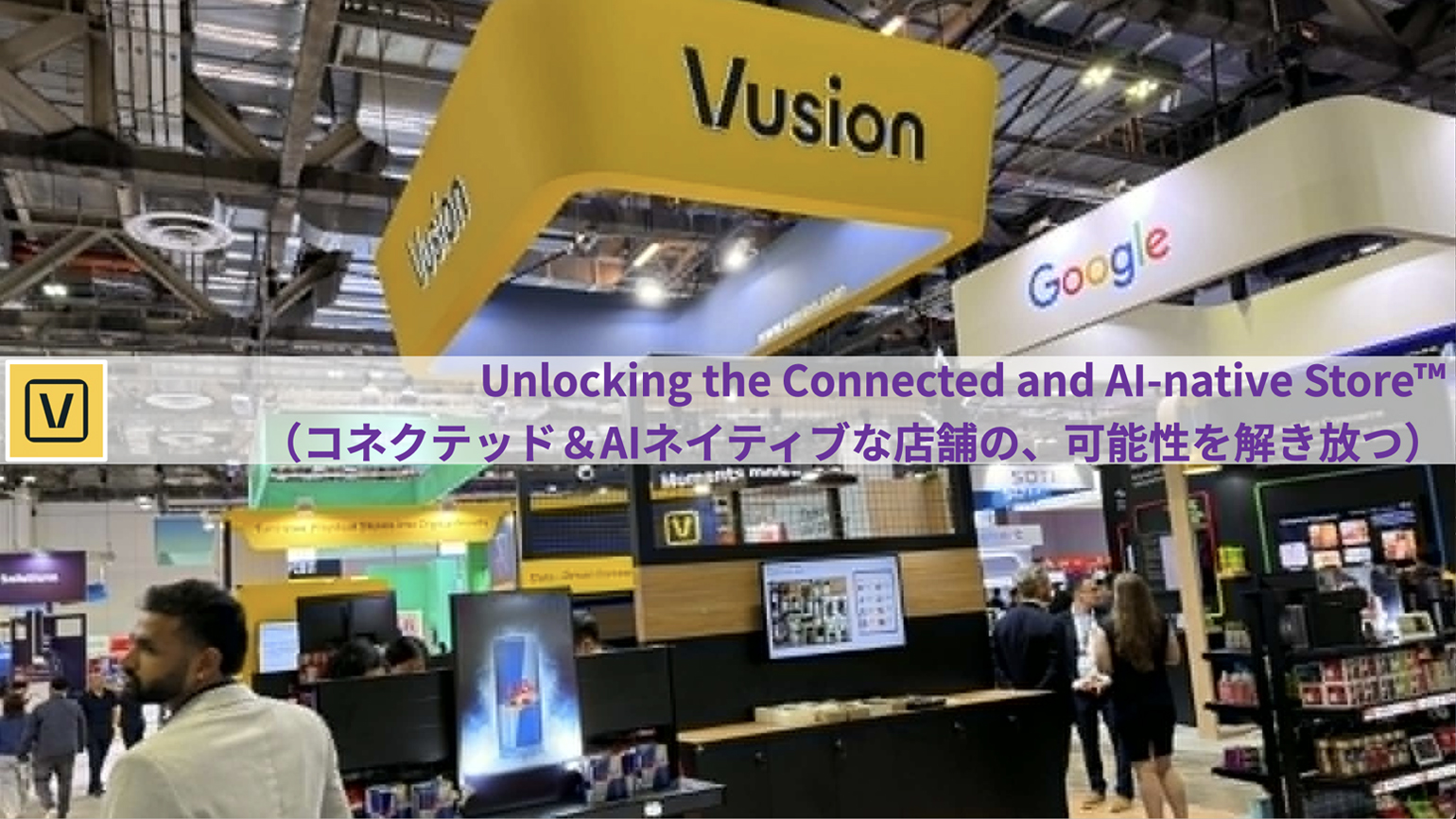
Next up is the UK’s Marks & Spencer (11 stores in total). “Vusion Engage,” which has been implemented in these stores, is a retail media solution that leverages electronic shelf label (ESL) infrastructure to transform physical store shelves into digital advertising and marketing media. It is primarily utilized for the following four purposes and methods:
① Dynamic in-store promotions: LCD screens and full-color electronic paper displays are placed on shelves to showcase brand advertisements and special sales promotions in real time. This visually appeals to customers “at the shelf”—where they are often hesitating to make a purchase—thereby improving purchase conversion rates.
➁ Simultaneous campaigns linked to core systems: By synchronizing 100% with headquarters’ pricing systems and e-commerce data, content such as new product announcements and discount offers is instantly and uniformly distributed to all stores and centrally managed without manual intervention.
➂ Smartphone-Integrated Shopping Experience: Through QR codes on shelf labels or Bluetooth, shoppers can instantly check product details, allergy information, and reviews on their smartphones right at the shelf.
④ Verification of advertising effectiveness through data analysis: Analyze promotion display times and sales data to visualize ROI. Monetize store shelves as “media assets” that generate advertising revenue.
Vusion’s platform is built on an electronic shelf label infrastructure and features a system that enables the expansion and centralized management of all digital functions—including cameras (automatic out-of-stock detection), retail media (Vusion Engage), and data analytics (Pulse)—on a single IoT cloud system.It was also emphasized that for Marks & Spencer, the ability to start with “streamlining price management” and then gradually expand functionality—such as “advertising media integration” and “smartphone integration”—without requiring massive additional infrastructure investments made this solution ideal for a close, long-term partnership.
What I take away from the three cases we’ve examined so far is the struggle of European retail tech companies in the APAC region—and how this is actually contributing to Japanese companies’ expansion into that market. It’s not just U.S. retail tech; European solutions also have a surprisingly strong product-market fit for Japanese retailers.
The Pace of Retail DX in Singapore: 2025 vs. 2026
Once again, we arranged an opportunity to step outside the venue and visit actual stores, and I noticed that even in this one-year comparison from last year to this year, the stores had changed quite a bit.
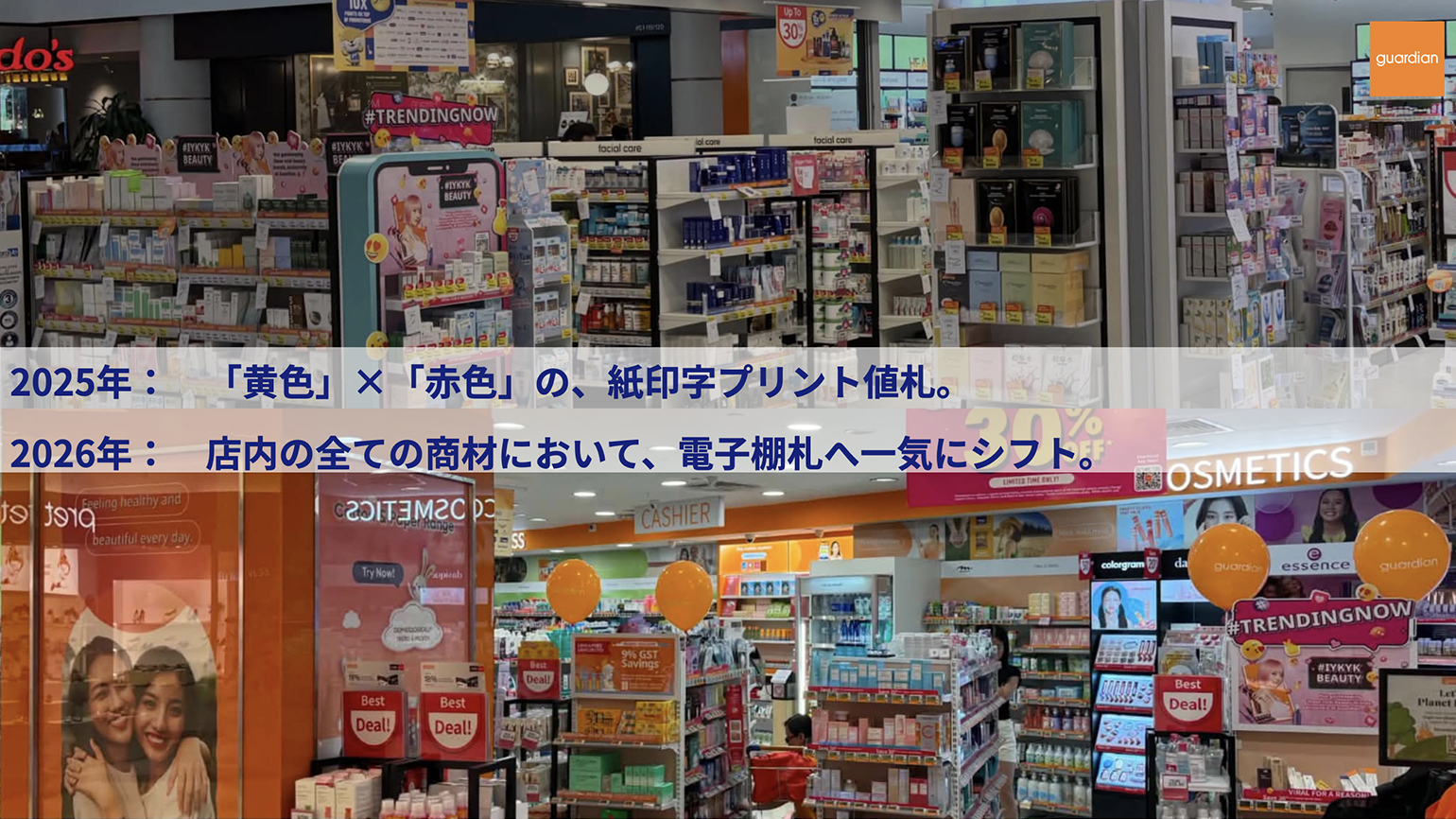
At Guardian, a drugstore chain under the Hong Kong-based “DFI Retail Group,” all products in the store had been converted to electronic shelf labels—a change from the paper price tags still in use as recently as last year.
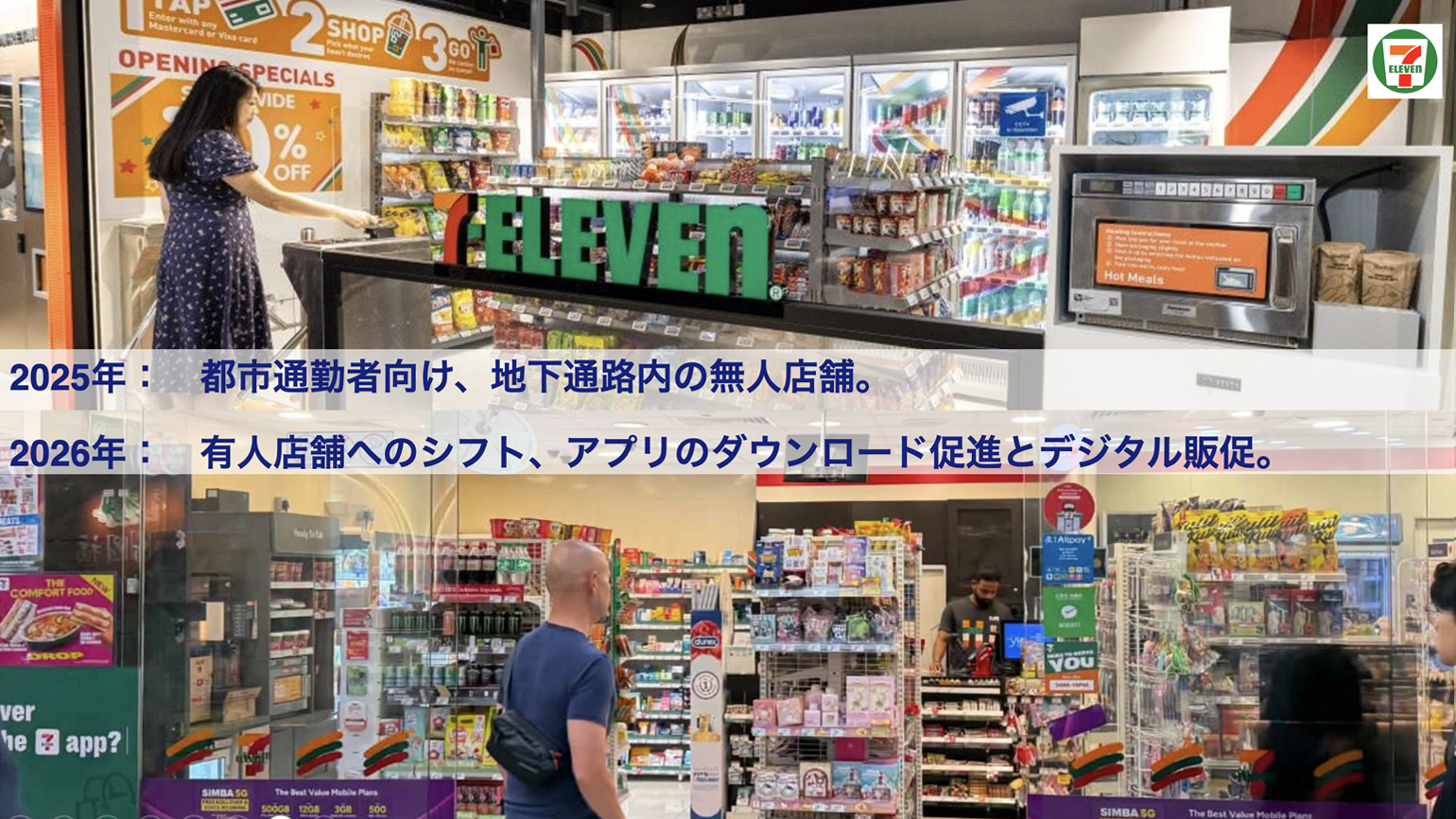
At 7-Eleven, while unmanned stores targeting urban commuters were located in underground passageways the previous year, there was no trace of that this year. Instead, there had been a shift to staffed stores operating in a format nearly identical to that in Japan, and promotions familiar in Japan—such as encouraging app downloads and digital sales promotions—were being carried out.
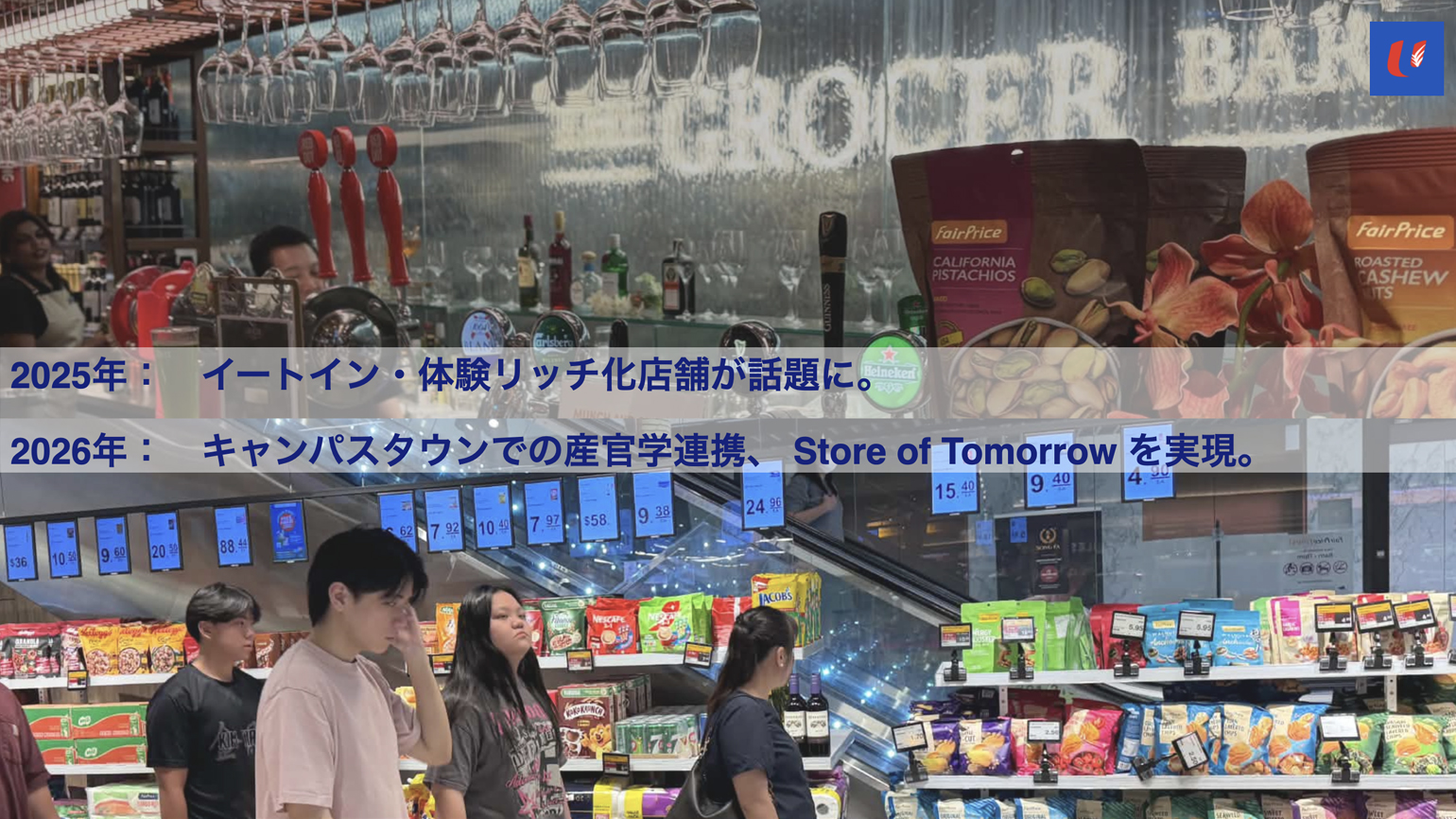
Finally, FairPrice—Singapore’s leading national chain, which is frequently featured in this report—has relocated from the trendy Clarke Quay area to the Punggol Digital District in the northwest, an emerging campus town home to the Singapore University of Technology and Design. There, under the concept of “Store of Tomorrow,” the company has opened a new store that took three years to fully implement retail digital transformation.At its core is the integration of physical stores and digital platforms through the use of AI and the cloud. By partnering with Google as a strategic technology partner, the store has successfully brought to life “a new retail customer experience for the AI era” that goes beyond mere e-commerce.
Retail Landscape 1.0 → 2.0: From the Post-COVID Era to Retail & Commerce in the “With AI” Era
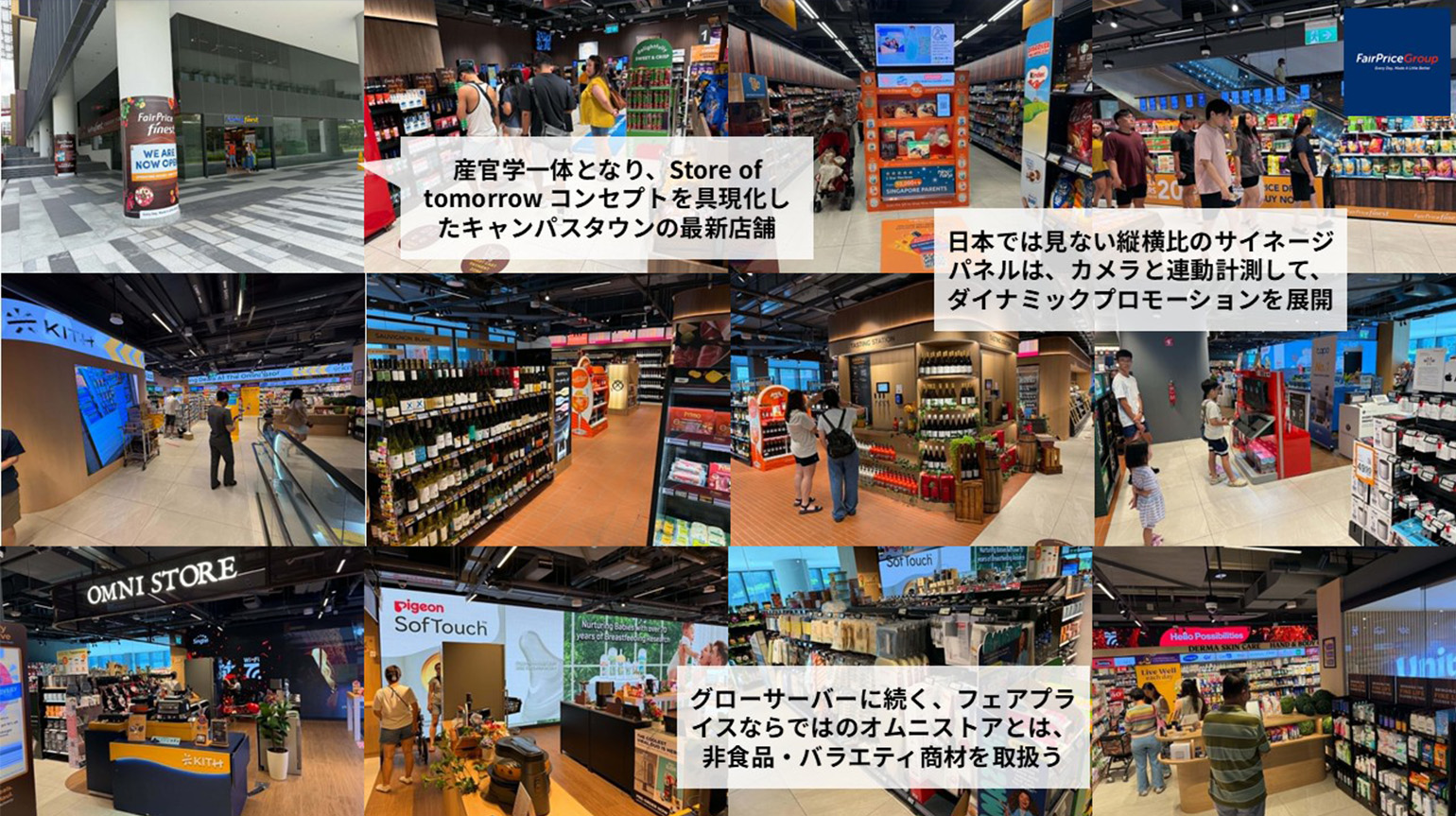
Let’s take a closer look at the FairPrice store. It’s no exaggeration to say that this store has “fully implemented” the “full-stack AI” emphasized by Google (Google Cloud/Gemini), and the article delves deeply into the company’s initiatives as a technology partner, complete with real-world examples.
• Resolving Four In-Store Pain Points
The store presented a vision to use technology to eliminate the four major sources of stress during in-store shopping: “time spent searching,” “waiting in line at the checkout,” “out-of-stock items,” and “lack of personalization.”
• “AI Smart Cart” Integrated with Google Cloud
By embedding a display screen and AI recognition capabilities into shopping carts, they created an experience where simply placing items in the cart leads to instant payment (with a self-checkout usage rate exceeding 80%). They shared results showing that this increased the average transaction value (basket size) by approximately 80%.
• AI Concierge Powered by Gemini
Utilizing Google’s generative AI “Gemini,” the system responds to consumers’ conversational searches. An AI assistant is now operational on the store app and shopping cart terminals, providing real-time guidance on topics such as “low-calorie recipes I can make tonight and the shelf locations for the ingredients.”
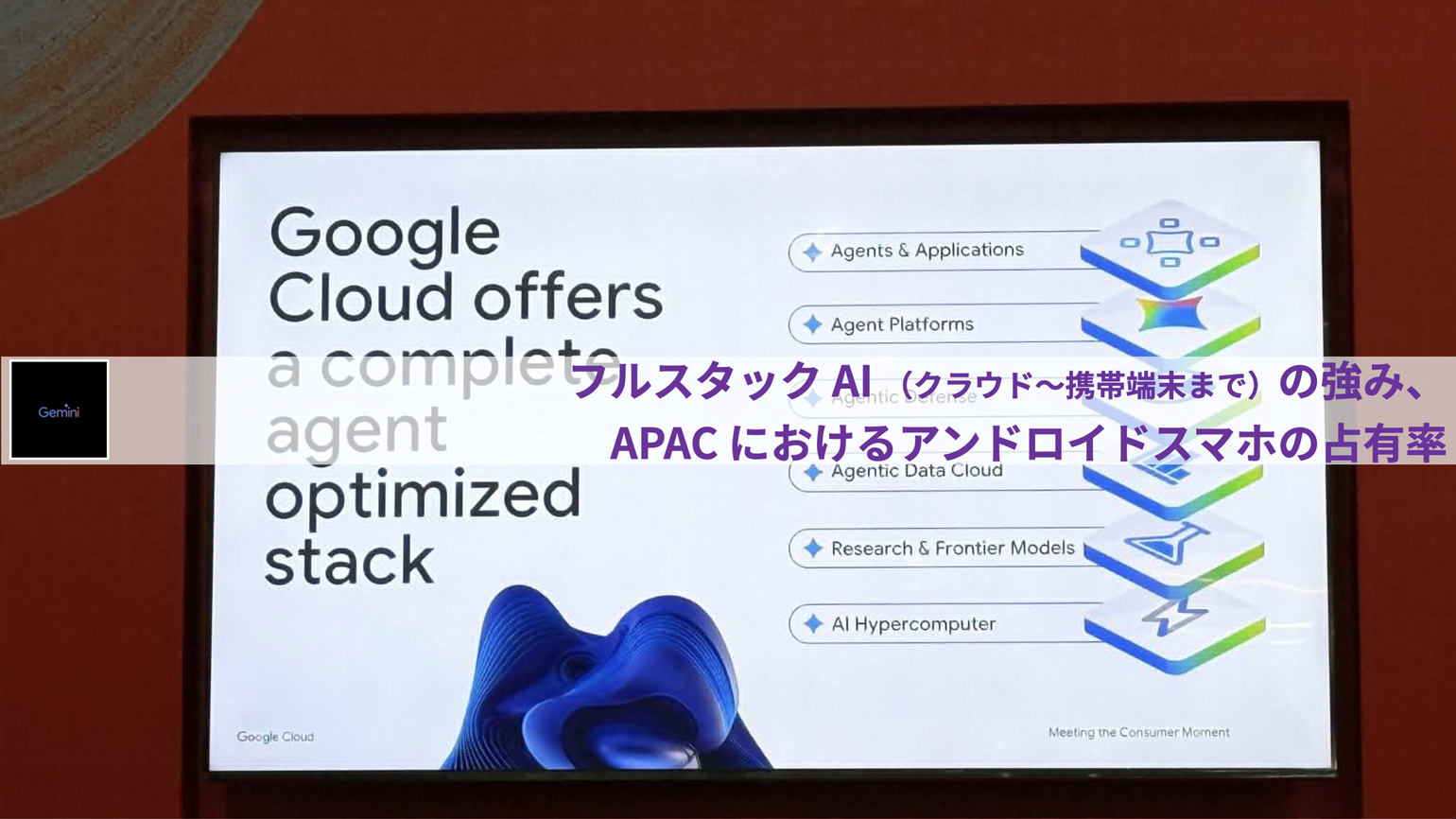
What strikes me most when looking at these examples is the “sense of speed (agility)” demonstrated by local retail companies in Singapore as they embody “The Next Now” in retail digital transformation.In-store signage, electronic shelf labels, unmanned stores… This “1-year agility”—which involves first implementing technologies and solutions, then rapidly cycling through the PDCA process to take immediate action, including the option to withdraw—stands, in a sense, at the exact opposite end of the spectrum from the Japanese approach, where projects are launched only after minimizing negative factors and risks through a proof of concept (POC).
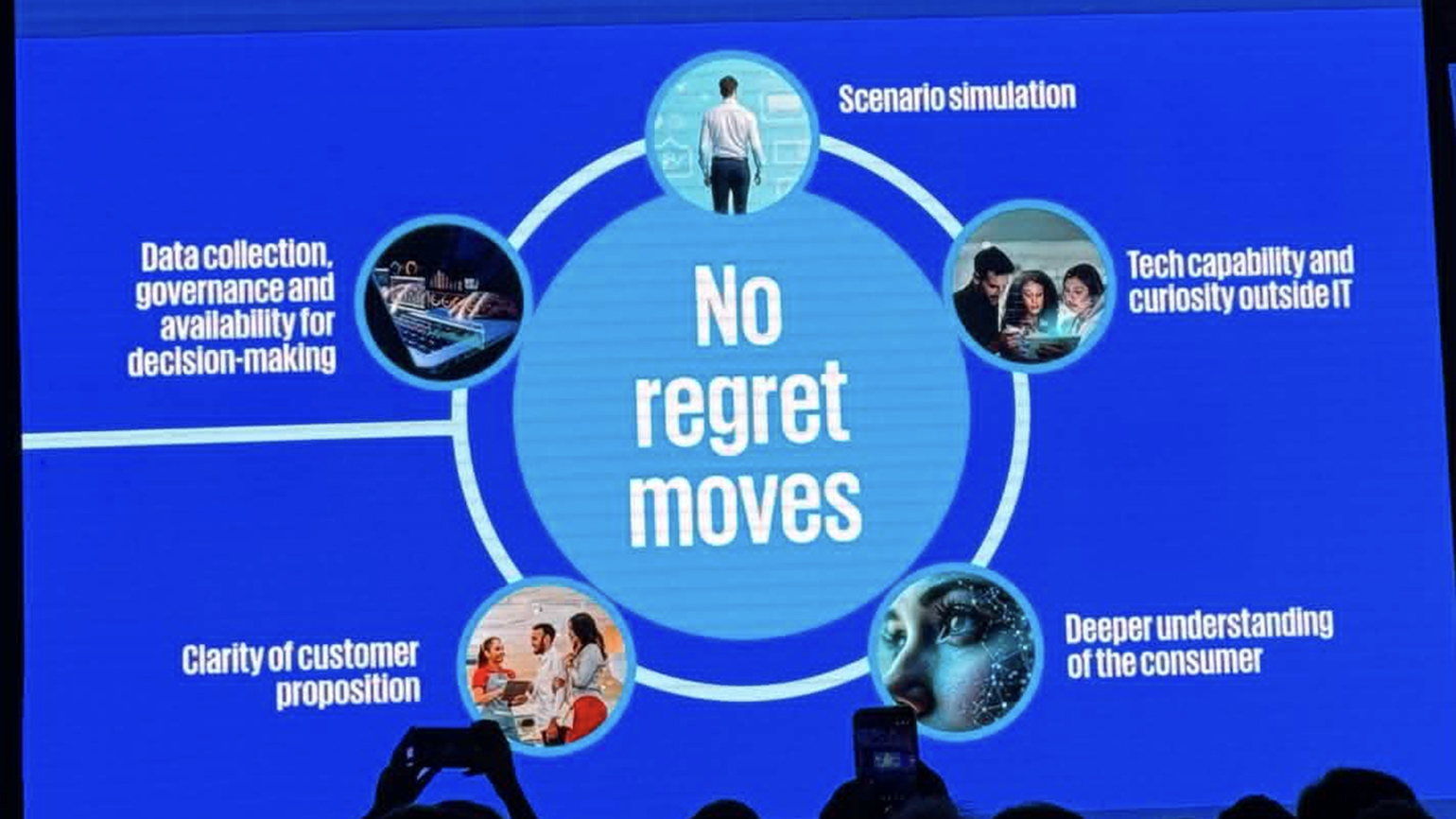
Coincidentally, the NRF’s Retail Agenda for fiscal year 2027 is “Fast Forward.” How can each retailer move “fast and forward”? The foundation for this lies in the five key points highlighted in the opening keynote.
① Scenario simulation (forecasting and analysis to prepare for various futures)
② Tech Capability and Curiosity Outside IT (In addition to technical capabilities, a focus on interest and curiosity in areas beyond IT)
➂ Deeper understanding of the consumer (deeper understanding and insights into consumers)
④ Clarity of customer proposition (a clear value proposition for customers)
⑤ Data collection, governance, and availability for decision-making (data collection, governance, and accessibility for decision-making).
The keyword is “No Regret Move—a ‘move you won’t regret’ that should be executed immediately to generate value regardless of the scenario.”
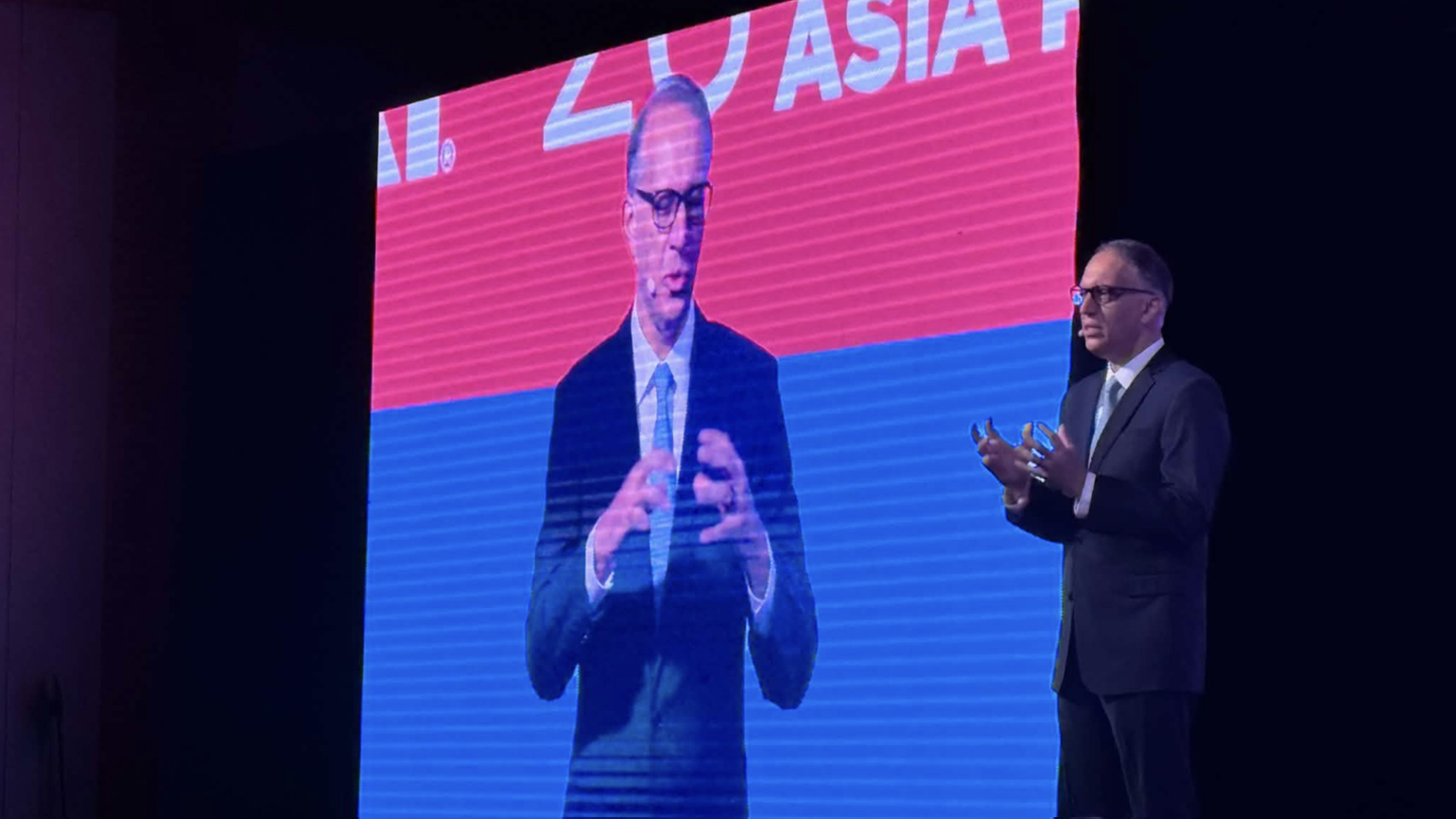
In his keynote address at NRF APAC, FairPrice CEO Vipul Chawla positioned the APAC market as “a true test bed for advanced customer experiences and technology investments.” He emphasized the importance of integrating digitalization with the physical store experience (“phygital”), as well as the social mission that connects the two—maintaining the foundation of a social enterprise while enhancing convenience.
He is scheduled to deliver a keynote speech at NRF 2027 @NYC next January. From APAC to the U.S.—how has FairPrice evolved over the past six months? Once again this year, Dentsu Retail Marketing Inc. plans to travel to the event and report on the proceedings.
Was this article helpful?
Share this article


Newsletter registration and delivery are temporarily suspended
For inquiries about this article
Back Numbers
Author

Hitoshi Kimura
Dentsu Inc.
Retail Marketing Division
Senior Producer