Note: This website was automatically translated, so some terms or nuances may not be completely accurate.
 Insights from Overseas Residents in Their 15th Year: Japan Brand Survey 2025 [1/4]
The Global Reach and Growing Influence of the Japan Brand
The Japan Brand Survey, launched in 2011, is Dentsu Inc.’s proprietary commercial marketing research initiative designed to assess the perceptions and actual behaviors of overseas consumers regarding the Japan brand as a whole, covering areas such as inbound tourism, regional revitalization, the food sector, Japanese products, and lifestyles.
In 2025, marking the 15th anniversary of the survey’s launch, we conducted the largest-scale quantitative survey in the survey’s history. Covering 20 countries and regions ( Survey Overview ), over 80 brands, and more than 10 themes, the survey enables us to acquire consumer knowledge that is more multifaceted and practical than ever before.
In today’s world, where unpredictability and uncertainty have become the norm, we hope this survey will continue to provide insights for moving forward into the future and a perspective that helps put things into context—free from cognitive biases—and that, in our own small way, we can contribute to building a sustainable society.
| <Table of Contents> ▼Japan’s Competitiveness in International Tourism ▼Visitor Experiences and Consumption Trends ▼Key Issues in Tourism for Regional Revitalization ▼Toward a Sustainable Future |
Japan’s Competitiveness in International Tourism
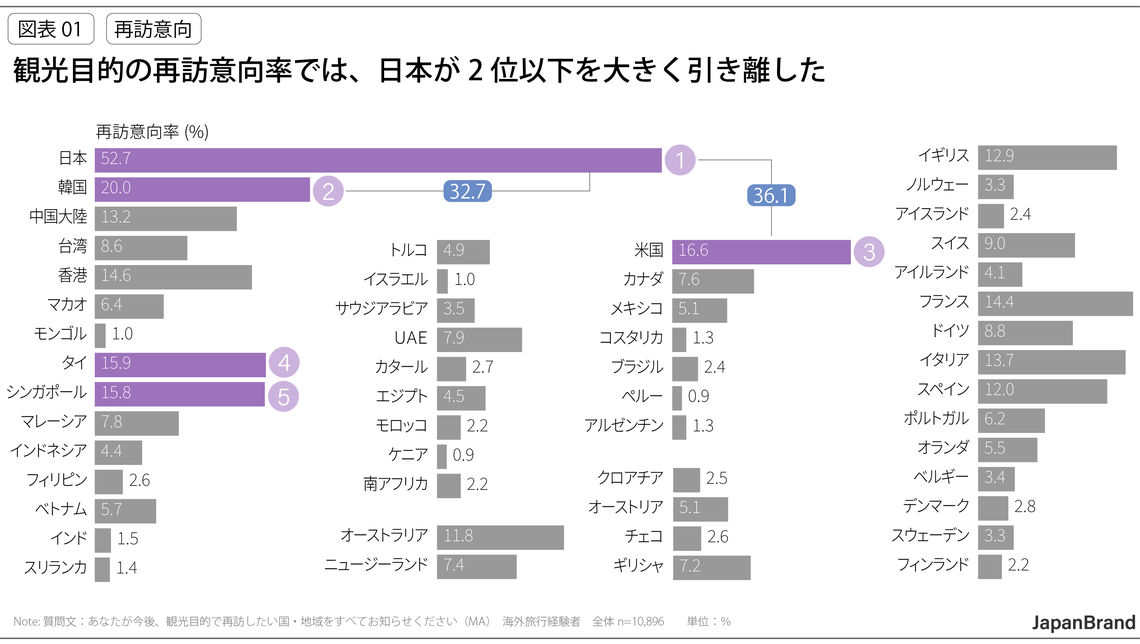
Among people worldwide who have traveled abroad, Japan was cited most frequently as a country they would like to revisit for tourism purposes, with over half of respondents naming it. Japan leads by a wide margin over South Korea (2nd place) and the United States (3rd place), clearly demonstrating its outstanding popularity compared to other countries. (Chart 01)
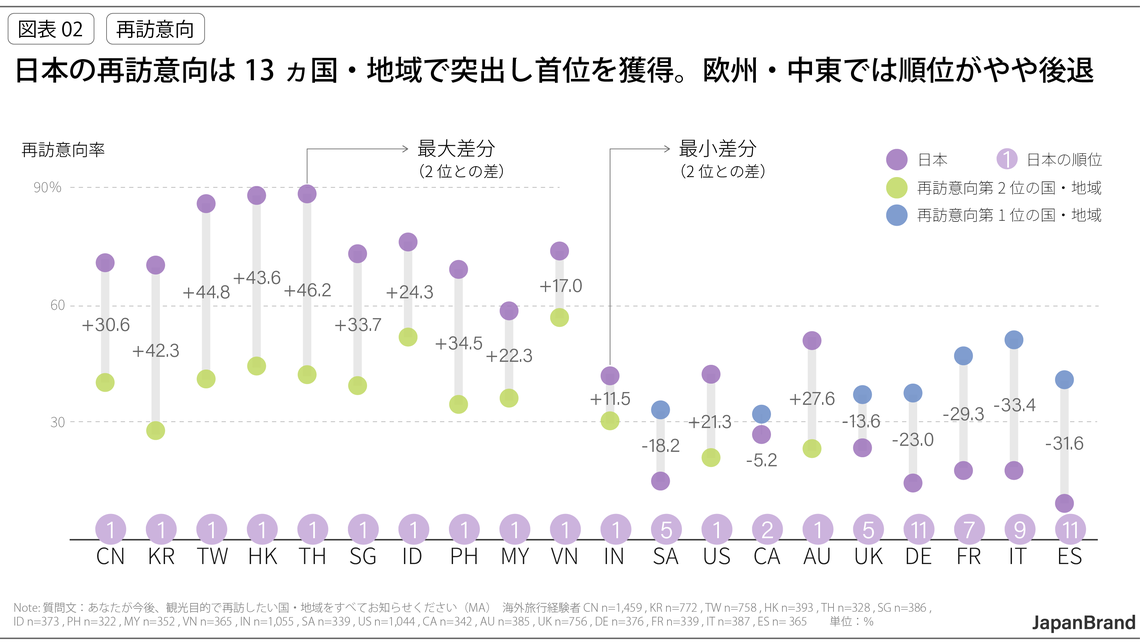
Furthermore, when broken down by country and region, Japan ranked first as a desired destination for a return visit in 13 out of the 20 surveyed markets. Although the margin varied by market, in every case, Japan pulled far ahead of the second-place finisher and those below. This indicates that Japan has firmly established itself as a leading travel destination across a wide range of the Asia-Pacific region. (Chart 02)
Amid the continued increase in foreign tourists, the intention to revisit Japan for tourism purposes is also rising steadily year by year. Certainly, it cannot be denied that the historically weak yen has lowered the barrier to entry for travel to Japan and broadened its appeal. However, the results of this study reveal that, with the exception of Hong Kong and Taiwan, the weak yen is not the primary motivation for visiting Japan.
For many travelers, the reasons for visiting Japan are rooted in essential factors—such as experiential value and cultural appeal—rather than simply favorable exchange rates. We view this trend as evidence that tourism to Japan is not a fleeting fad but is being sustainably embraced as a major attraction.
While it is believed that accumulated satisfaction with the Japan travel experience naturally increases the intention to revisit, the key challenge moving forward—amid a growing domestic labor shortage—lies in “how to maintain satisfaction with tourism in Japan.” (Figure 03) 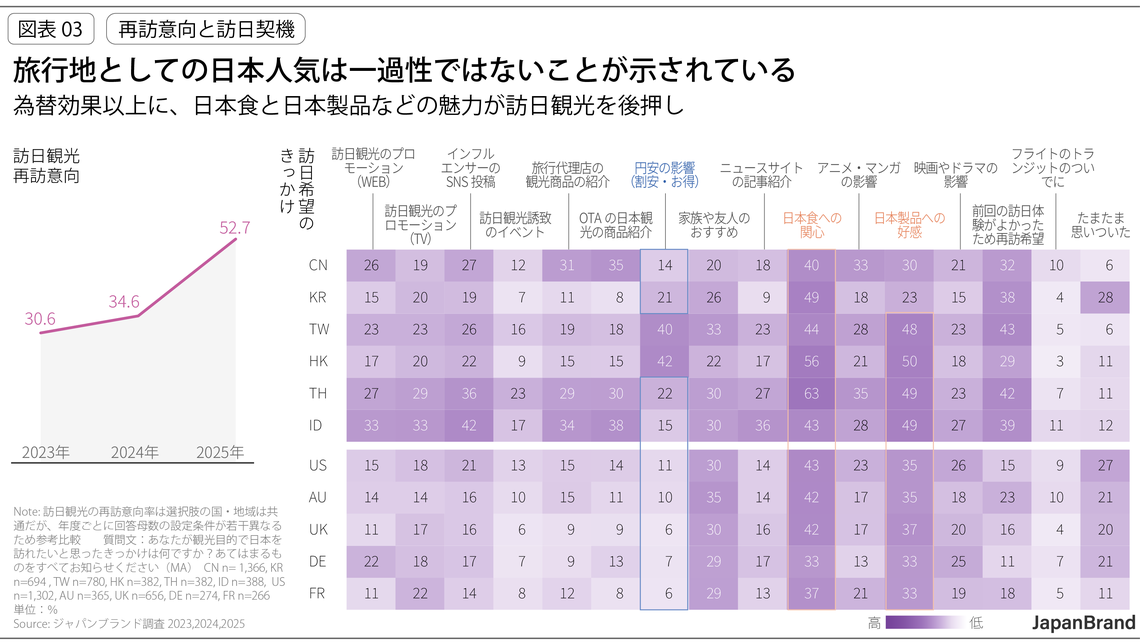
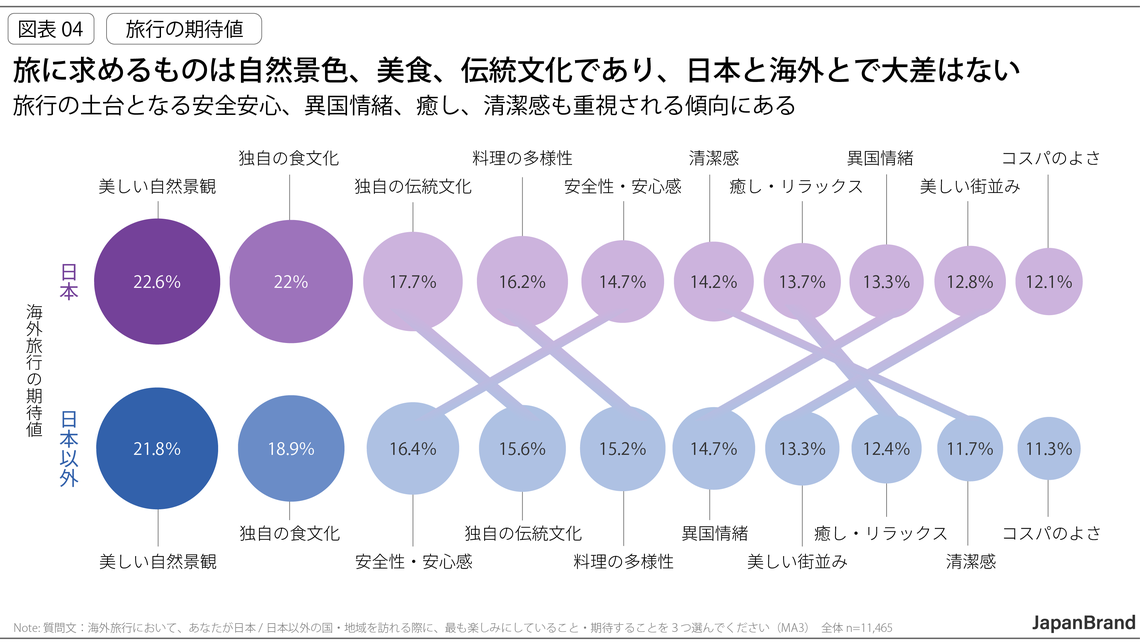
Furthermore, when comparing Japan with other overseas travel destinations, no significant differences were observed in the basic elements sought by travelers. While many people cite “natural scenery,” “food culture,” and “traditional culture” as their primary travel objectives, they also appear to place great importance on environmental factors such as “safety and peace of mind,” “healing and relaxation,” “exotic atmosphere,” and “cleanliness.”
This indicates a general rise in interest in “experience-based consumption.” It also suggests that tourism is not merely the consumption of tourist resources, but rather an activity that seeks multifaceted values—such as physical and mental rejuvenation and the enjoyment of an escape from everyday life—and underscores the importance of not losing sight of the essence of travel. (Figure 04)
When broken down by country and region, slight differences in expected value trends can be observed. Australian travelers are strongly drawn to “unique culinary culture” and “healing and relaxation,” while in the United Kingdom, expectations for “unique traditional culture” and “cleanliness” were highly rated. In contrast, in the United States, there appears to be no significant bias toward any specific category. (Chart 05)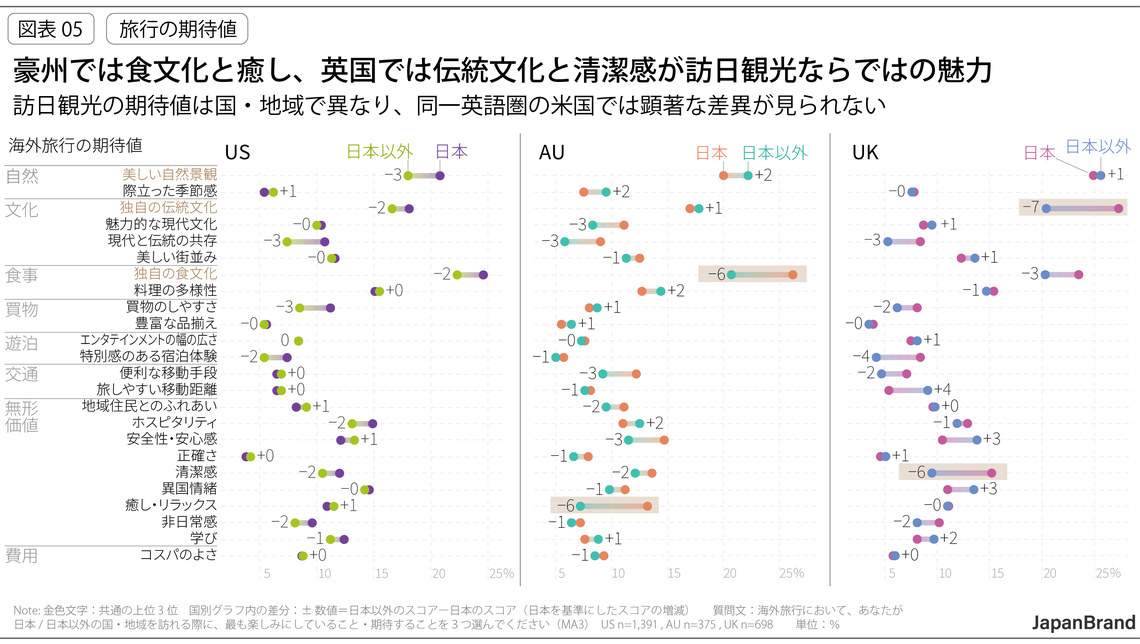
The inbound tourism market, which has grown to a scale of 8 trillion yen, is already on par with the domestic apparel industry and possesses the power to drive external demand equivalent to approximately half of the value of automobile exports (*1). The significance of inbound tourism cannot be fully grasped within the framework of tourism alone.Looking around the world, nearly all of the top countries in terms of visitor numbers and foreign exchange earnings are built on a foundation of strong soft power and possess an intrinsic appeal that attracts consumers beyond physical constraints such as borders and language.
Although concerns and anxieties about over-reliance on tourism are occasionally voiced, the contribution of inbound tourism spending to Japan’s GDP stands at only about 1% as of 2024, a level that remains low even when compared to G7 countries and OECD member states.While addressing overtourism is necessary, we must separate this discussion from concerns about excessive reliance on tourism. Instead, we need to calmly organize the key points and promote understanding based on the industry’s actual ripple effects and its potential economic contribution.
The intention to revisit, which we are focusing on, serves not only as a quantitative evaluation metric for inbound tourism but is also positioned as a highly sensitive indicator that simply and clearly visualizes the fundamental human desire to “visit again.”Furthermore, this study has reaffirmed that the strength of “sustainable competitiveness in international tourism”—which inspires the desire to revisit—is supported not only by tourism resources but also by a broader range of cultural and social factors, such as interest in Japanese food culture and trust in Japanese products.
*1 Source: Ministry of Finance, “Trade Statistics” (2024)
Travel Experiences in Japan and Consumption Trends
Experiences that attract high levels of interest among visitors to Japan include “Japanese cuisine”—a symbol of Japanese culture—and “natural scenic spots,” as well as “experiencing the four seasons,” “strolling through downtown areas,” and “experiencing traditional culture.” Among these, “shopping at convenience stores”—though seemingly an everyday activity—attracts significant interest, with particularly high popularity in Asian regions.
These results suggest that the appeal of travel experiences in Japan extends beyond the extraordinary; Japan’s refined everyday culture and its very infrastructure also hold strong appeal. Naturally, preferences for these experiences tend to vary by cultural region. As the inbound market expands and the number of repeat visitors from neighboring regions increases, it will be necessary to tailor approaches by target region when planning future business expansion, product and service development, and marketing strategies. (Figure 06)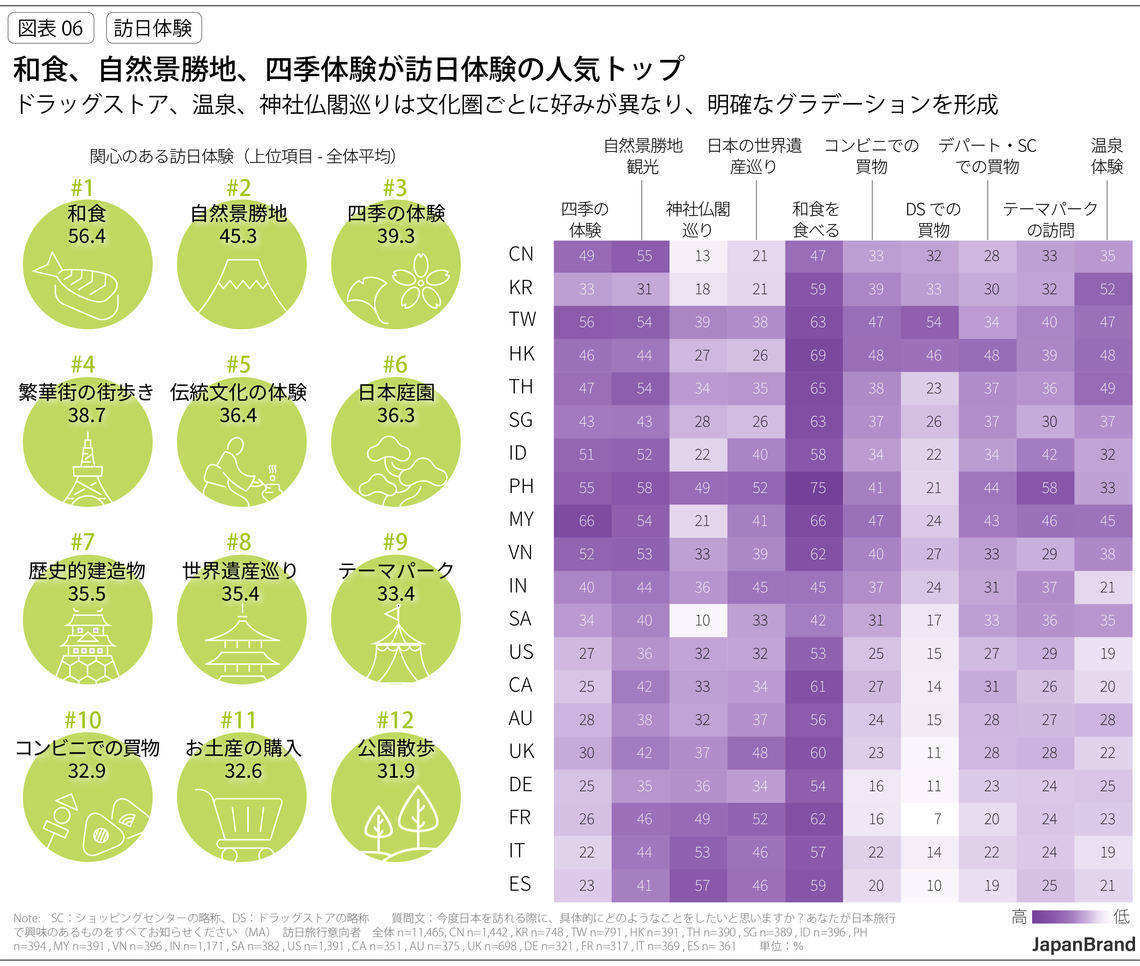
Let’s now break down travel experiences in Japan into further categories.
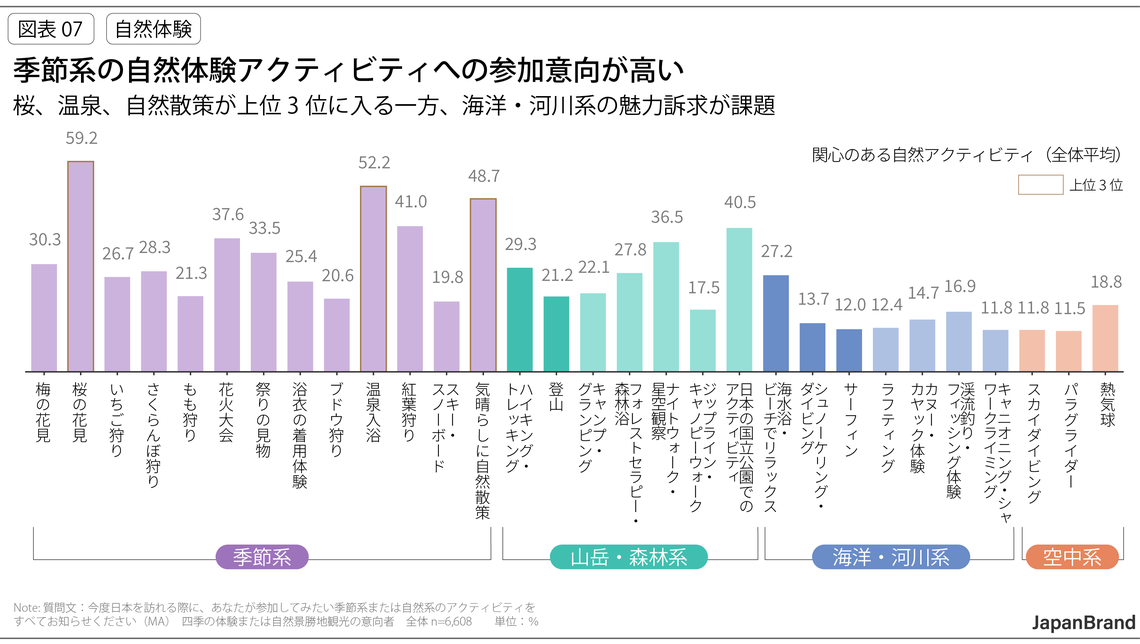
Among nature-based experiences, “cherry blossom viewing” is by far the most popular and has established a firm position as an experience that symbolizes tourism in Japan. We can also see that the diversity and appeal of Japan’s natural resources are widely recognized through other activities such as “hot spring bathing,” “nature walks,” and “autumn foliage viewing.” (Figure 07)
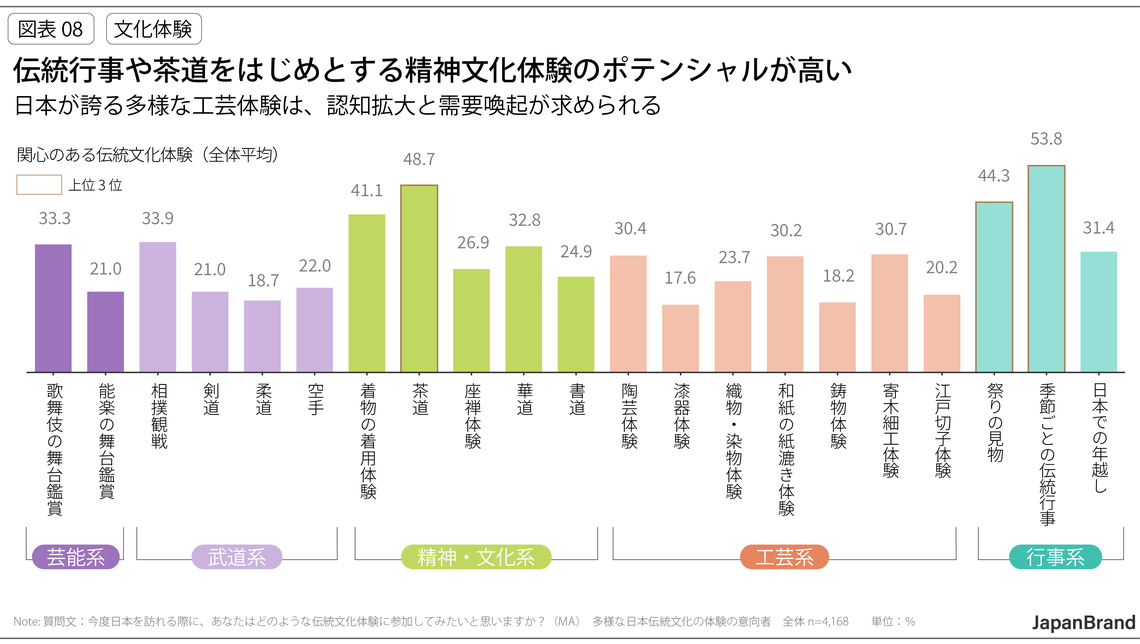
In terms of cultural experiences, there is a strong tendency toward interest in events and spiritual culture unique to Japan, such as “seasonal traditional events,” “the tea ceremony,” and “watching festivals.” The top-ranked categories were those that are relatively easy for people living overseas to understand as symbolic representations of Japan and that offer a sense of the extraordinary. (Figure 08)
Furthermore, in response to questions regarding symbols of “Japanese-ness,” “sushi,” “cherry blossoms,” and “Mount Fuji” were cited as representative examples. These images are believed to influence the overall planning of a trip, including motivations for visiting Japan, the selection of destinations, and preferences regarding the timing of the visit.However, these symbols are not uniform across markets. For example, in Vietnam, “the tea ceremony,” “udon,” and “automobiles” were cited as representative of “Japanese-ness,” while in France, “judo,” “bonsai,” and “soy sauce” were highlighted. These differences in cultural reception across markets offer important insights not only for inbound tourism but also for the overseas export of Japanese products and services. (Figure 09)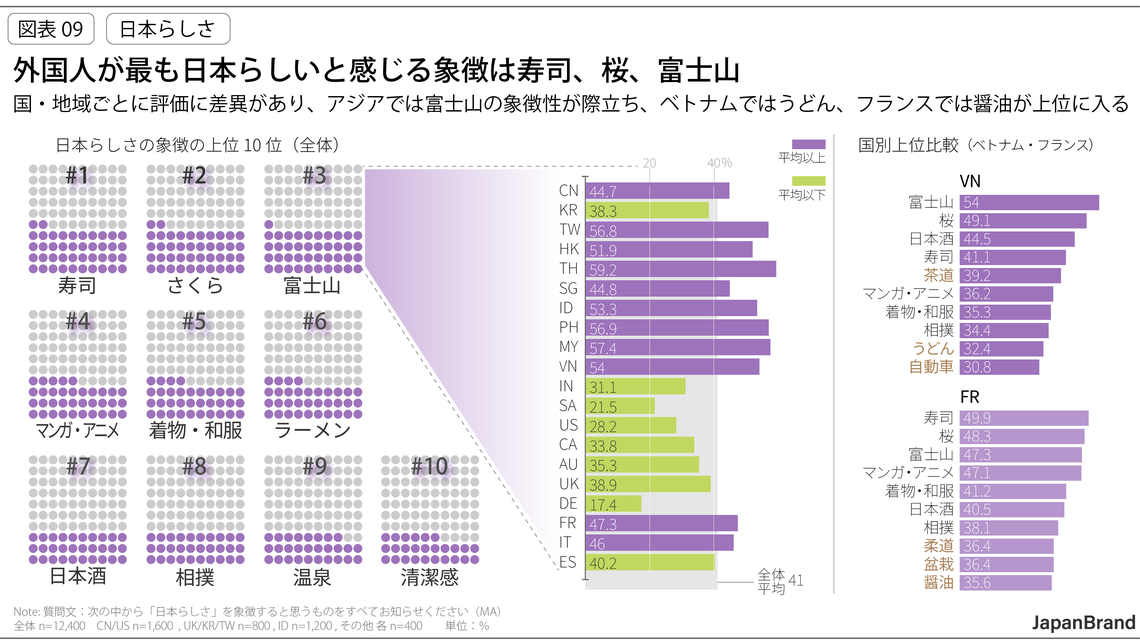
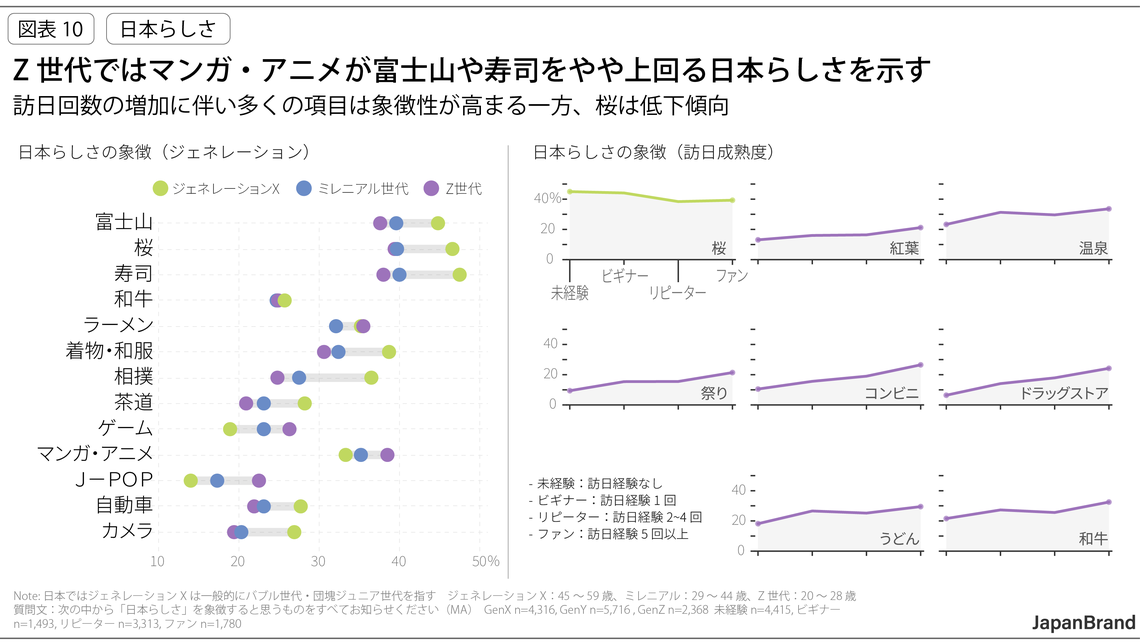
Differences across generations are also noteworthy. Among Generation Z, interest in “manga and anime” was observed to exceed that in “Mount Fuji” and “sushi” in some cases.Furthermore, as the number of visits to Japan increases, sensitivity to Japanese culture—such as “autumn foliage,” “hot springs,” and “festivals”—grows, while interest in “cherry blossoms” shows a relative downward trend. This suggests that a deepening of experiences is linked to the evolution of interests and preferences. (Figure 10)
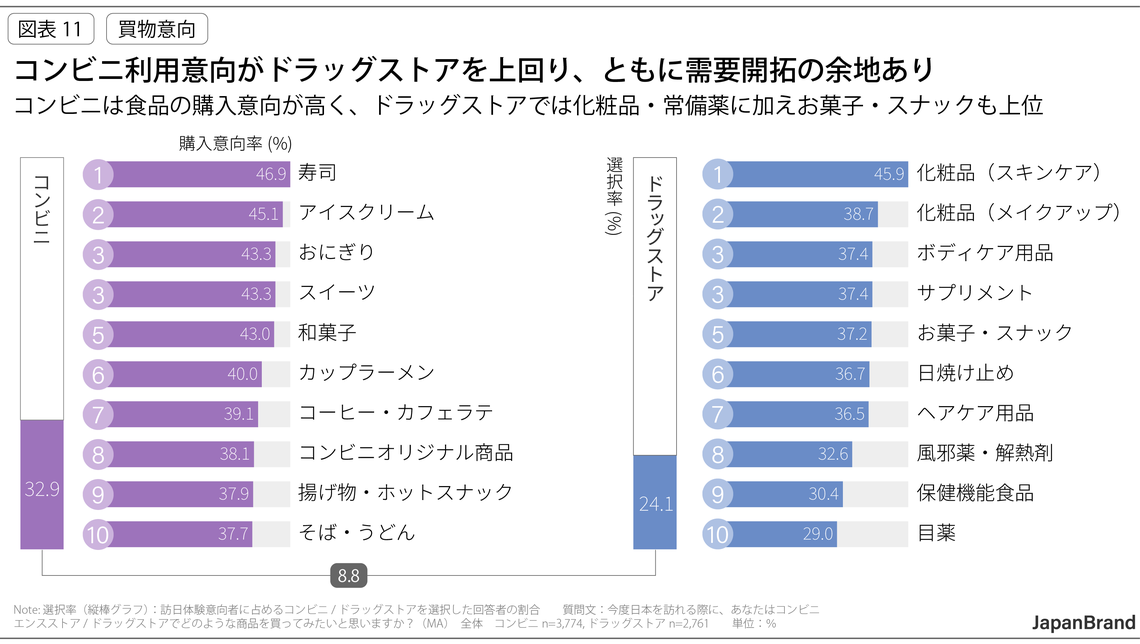
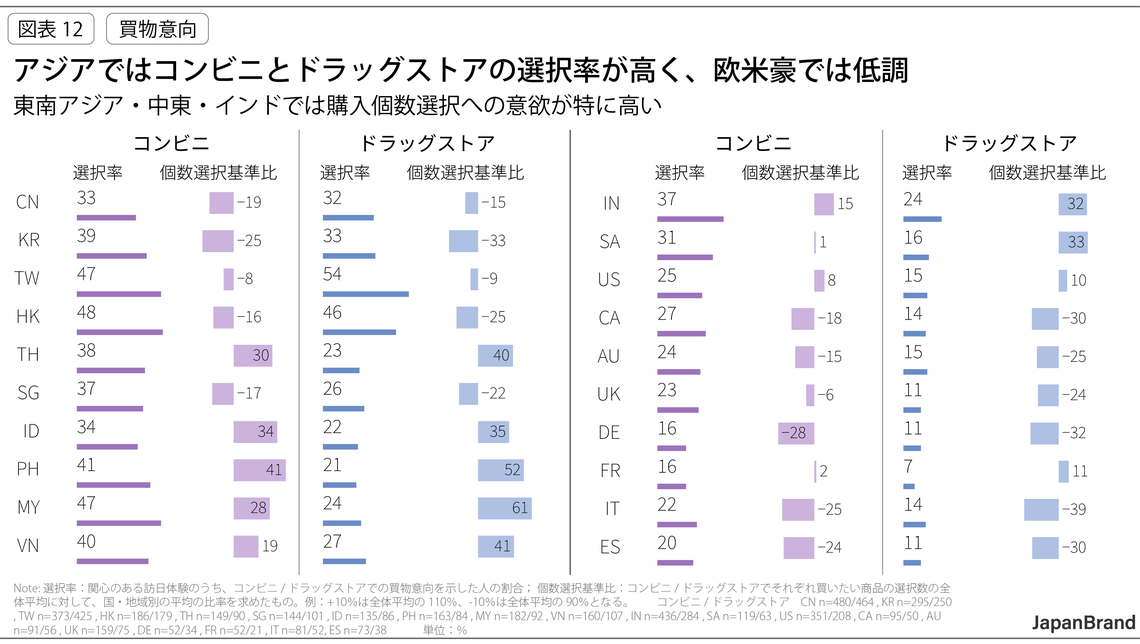
Regarding purchasing intentions at retail facilities, convenience stores showed a relatively high selection rate, with Japanese snack culture familiar to foreign visitors—such as “sushi,” “ice cream,” and “rice balls and sweets”—garnering attention. At drugstores, interest centered on product categories such as “skincare,” “makeup,” and “body care and supplements.”Furthermore, indicators such as selection rates and the number of items selected reveal a marked willingness to consume in the Asian market, suggesting both active consumer behavior and significant potential. (Figures 11 and 12)
Regarding intentions to purchase souvenirs, items that blend tradition and modernity—such as “Japanese sweets” and “handicrafts”—are gaining popularity. Depending on the country or region, clear differences in preferences are evident for items such as “Japanese-brand clothing,” “tea (Japanese tea, matcha),” and “cosmetics,” highlighting the fundamental need for country-specific marketing strategies when promoting products. (Figures 13)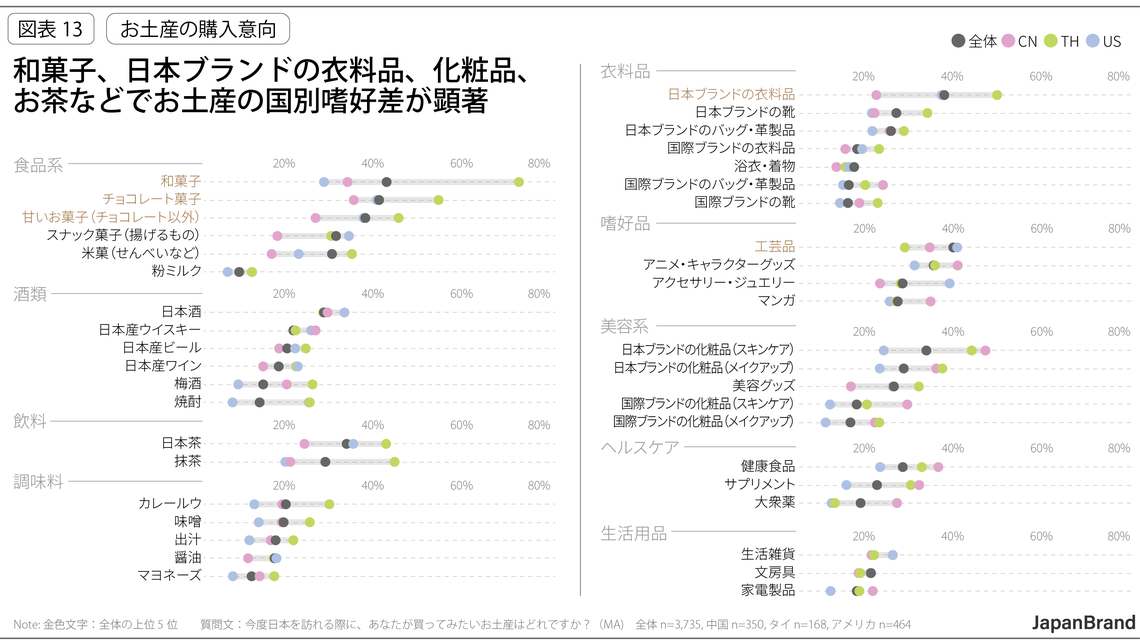
Key Issues in Tourism for Regional Revitalization
On the other hand, the Matthew Effect (*2) is at work, giving rise to the structural challenge of “concentration due to strength.” The multifaceted nature of this challenge has become evident from multiple perspectives, including disparities in awareness of regional areas, uneven distribution of visitation periods, biased perceptions of “Japanese-ness,” and regional disparities in awareness of and intent to visit commercial facilities.
*2 Cumulative advantage: A phenomenon in which favorable evaluations of outstanding individuals or organizations tend to lead to further success.
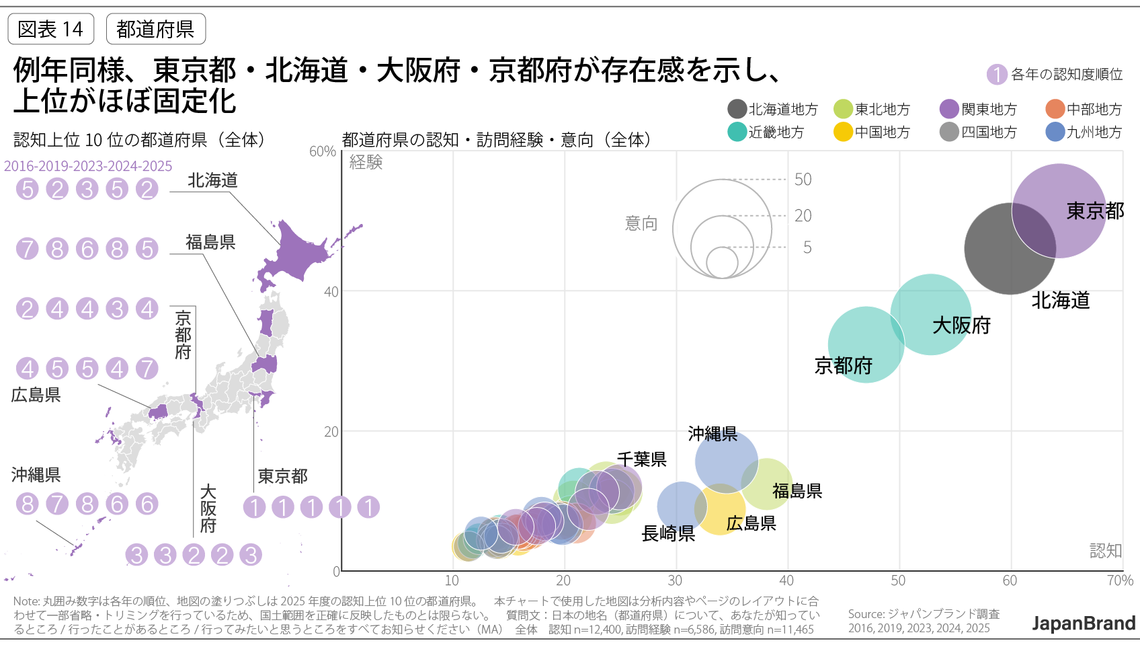
When comprehensively examining the awareness, visit history, and future visit intentions of inbound travelers at the prefectural level, “Tokyo” stands out by a wide margin, followed by widely known tourist destinations such as Hokkaido, Osaka Prefecture, and Kyoto Prefecture. It is particularly noteworthy that there have been no significant changes in this top tier over the past 10 years, suggesting that brand power at the prefectural level has, to a certain extent, become entrenched. (Figure 14)
A more detailed analysis at the city level reveals that Sapporo, Osaka, and Kyoto stand out with exceptionally high recognition, setting them apart from other government-designated cities and core cities.While other cities enjoy a certain level of recognition, there is a clear gap in visitation rates compared to the top-ranked cities, and no significant differences are observed within the same group. This highlights the dilemma between awareness and action: while mere awareness does not directly lead to a visit, if a destination is not recognized in the first place, it will not even be considered as a potential destination. (Figure 15)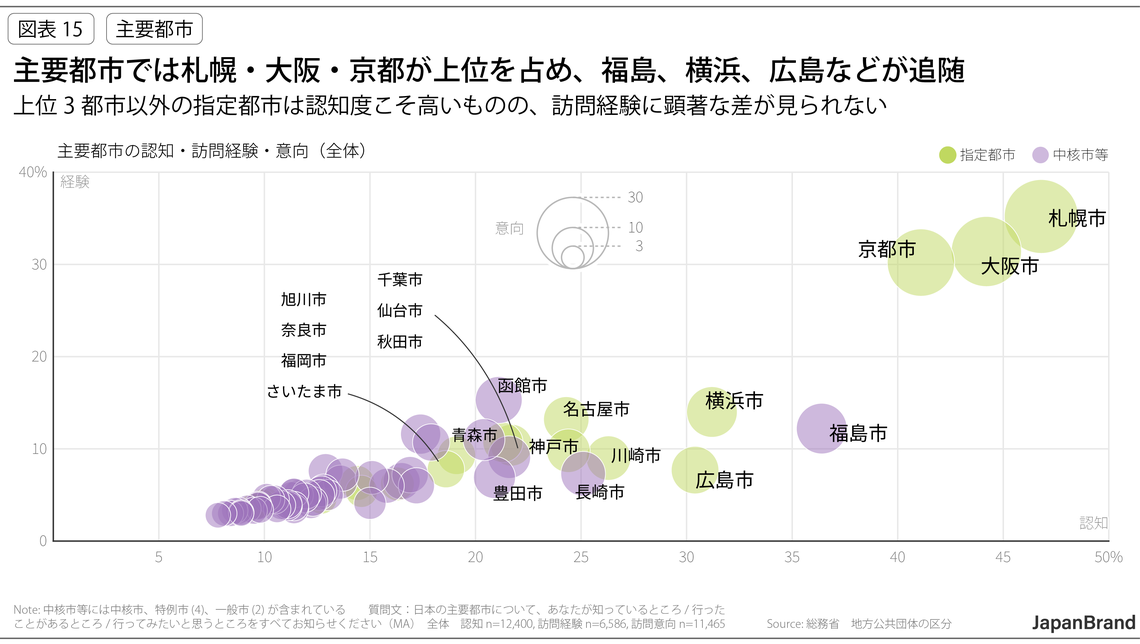
The percentage of travelers who visited regional areas on their own—excluding the major cities known as the “Golden Route” (Tokyo, Nagoya, Osaka, and Kyoto)—remains at a low level. Furthermore, there are significant variations in this percentage across countries and regions.
On the other hand, satisfaction among travelers who visited regional areas is extremely high, with over 90% expressing a desire to return, highlighting the exceptional value of the experience. This serves as a prime example of the continued high potential of regional tourism. (Figure 16)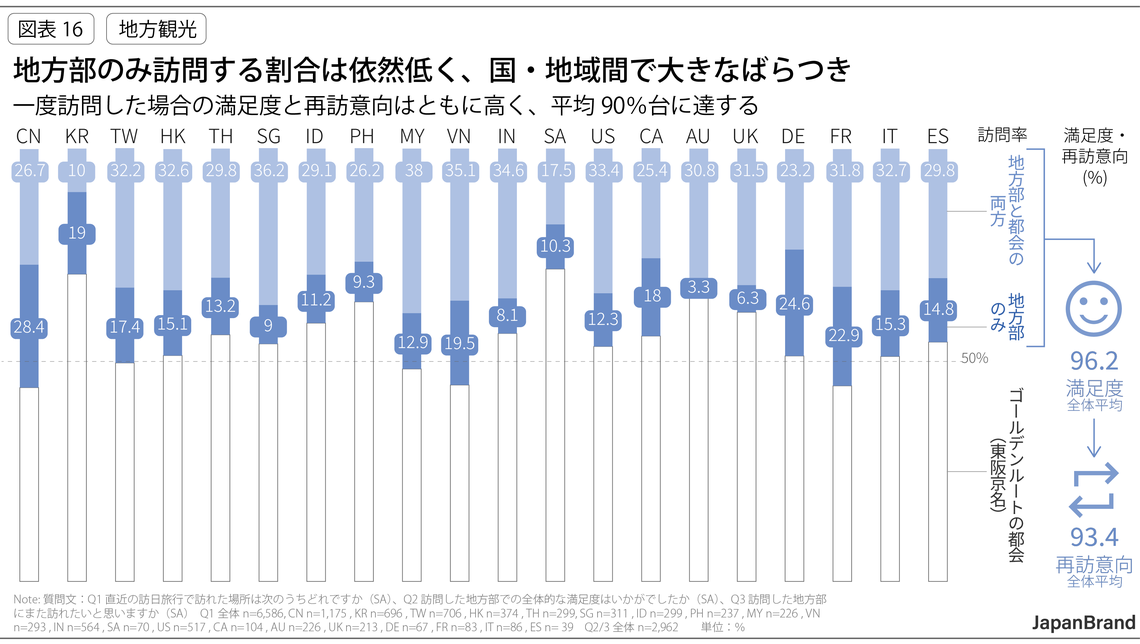
Regarding hot spring resorts—a symbolic resource of regional tourism—there are significant differences in awareness levels by country and region.
Particularly in English-speaking and Western cultural regions, a high percentage of respondents were unaware of any of the hot spring resorts presented; in Canada, this figure was approximately 75%. In Australia and Spain as well, results showed that around half of respondents were unfamiliar with them, suggesting challenges in the dissemination of information. (Figure 17)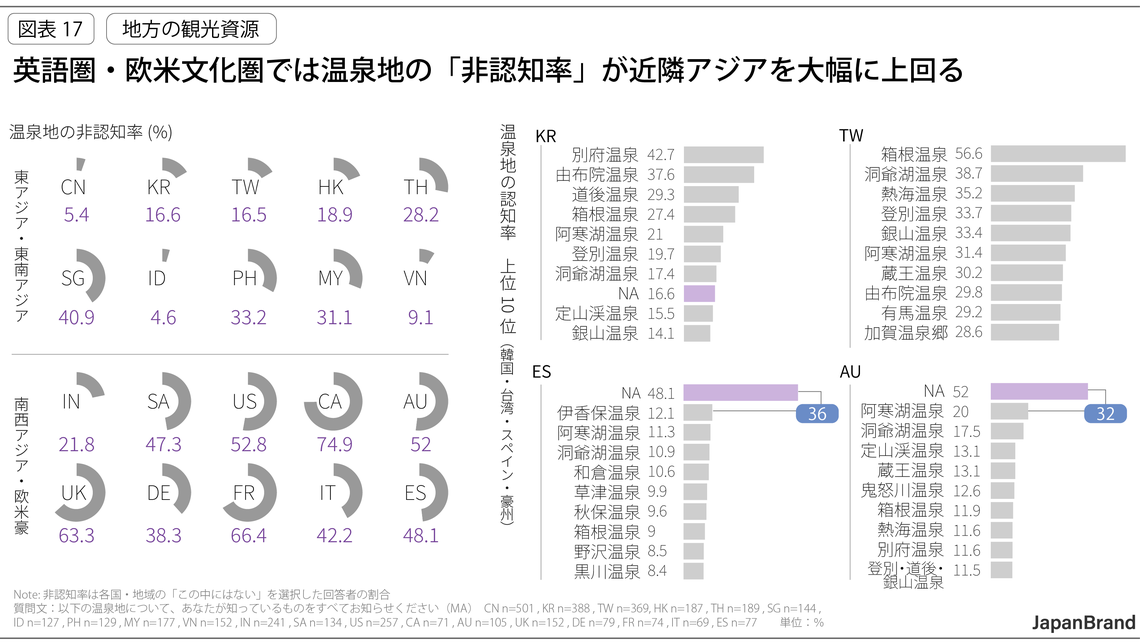
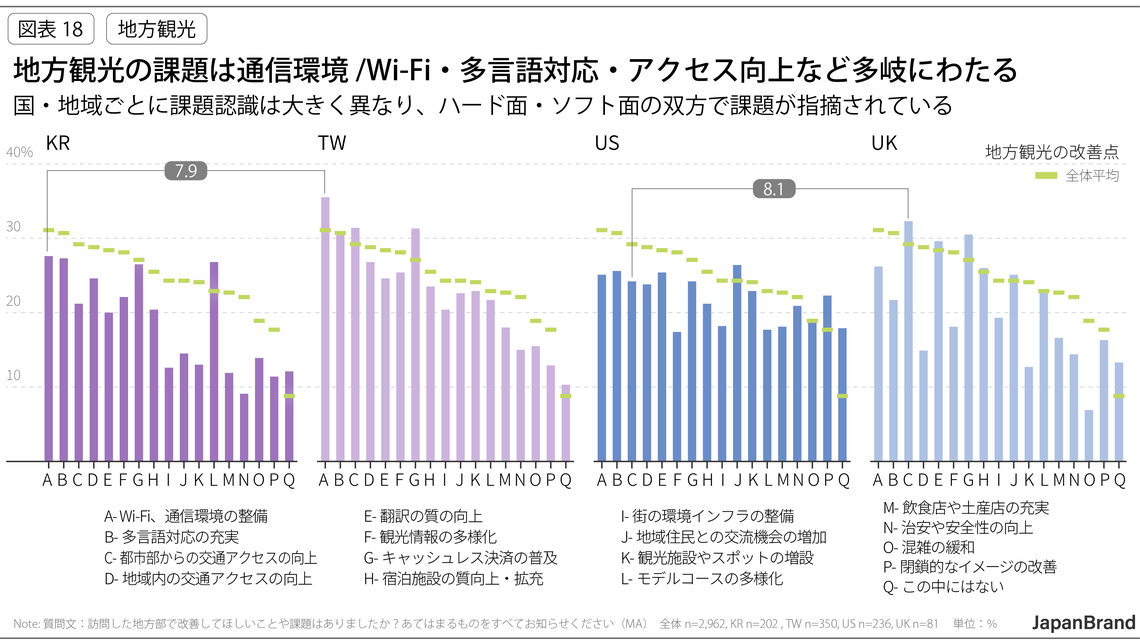
Travelers who have actually visited rural areas cited a wide range of challenges, including communication infrastructure, the availability of Wi-Fi, a lack of multilingual support, and accessibility. Furthermore, there are clear differences in the nature of the challenges perceived depending on the country or region. (Figure 18)
Given that the total volume of visitors to regional areas (based on the number of overnight stays by foreign visitors) is limited (about 30% of the total) and skewed (with East Asia accounting for about 50%*3), strategic market selection is necessary to expand business opportunities for regional tourism.By conducting a comparative analysis of cultural receptivity and the maturity of inbound tourism, it is essential to accurately identify which markets should be cultivated over the medium to long term and which will contribute to regional economies in the short term. This requires the courage and initiative to proactively formulate and execute a vision—including measures aimed at expanding on-site spending.
*3 Source: Japan Tourism Agency, “Survey on Overnight Travel Statistics” (2024)
Toward a Sustainable Future
In this study, we aim to balance economic and social value, and we believe that value creation for a sustainable future can only be achieved through collective intelligence. This fiscal year, we have visualized insights from overseas residents from multiple perspectives, focusing on three key elements: “overtourism,” “reuse value,” and “well-being.”
None of these are simple themes that can be resolved with a quick conclusion. Despite the constraints of report preparation, as the research organization, we present a selection of insights focused on consumer data, and we hope these will serve as useful hints for the thoughts and actions of those in various industries and positions who collectively support the foundation of social life.
Consideration 1: Overtourism
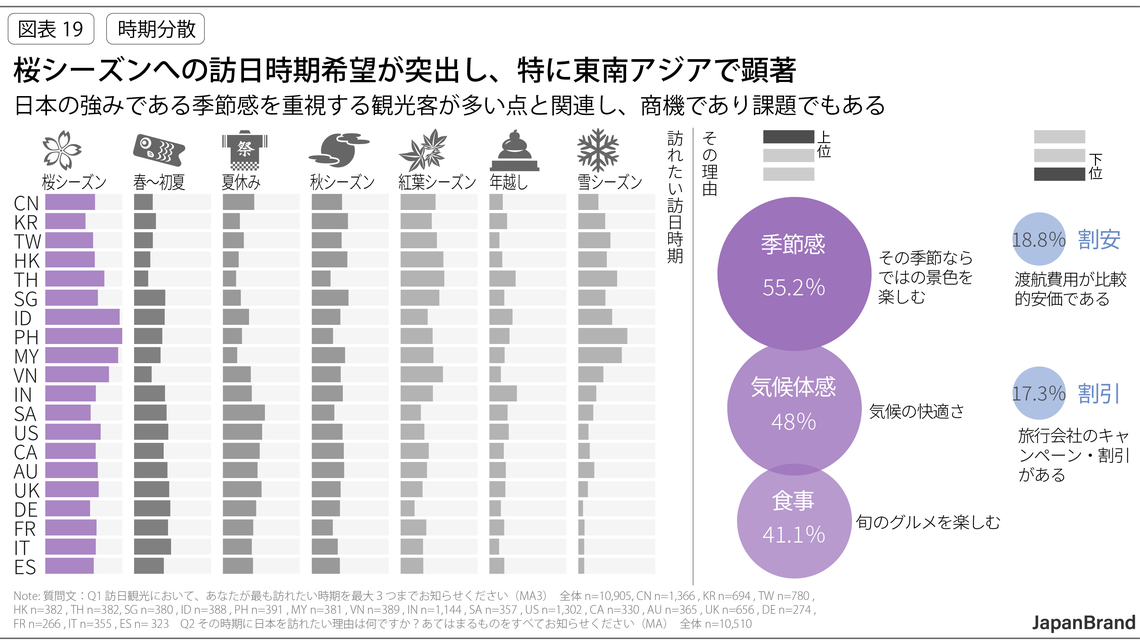
To avoid a concentration of tourism demand and achieve sustainable inbound tourism to Japan, it is essential to spread out travel dates and destinations. However, currently, the preferred time to visit Japan is heavily skewed toward “cherry blossom season,” with many travelers citing a desire to “enjoy the scenery unique to that season” as the reason. While this speaks to the high symbolic appeal of Japan’s four seasons, it also contributes to the issue of overtourism. (Figure 19)
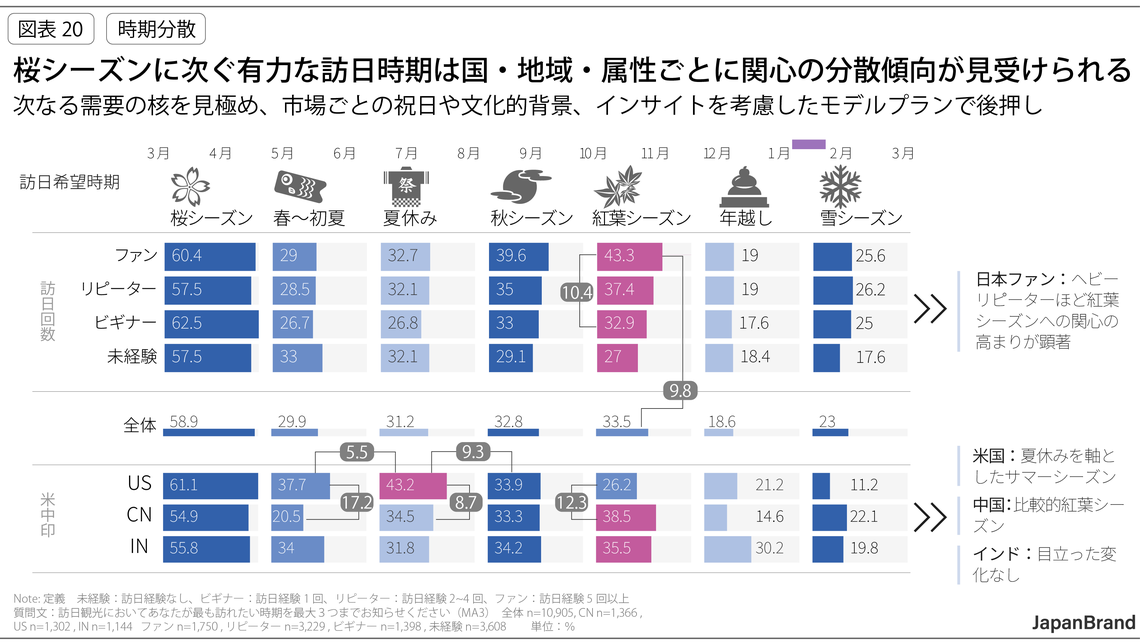
On the other hand, regarding the next most popular time to visit Japan after the cherry blossom season, there is a tendency for interest to vary by country and region. Particularly among those with extensive experience visiting Japan—the so-called “Japan fans”—the “autumn foliage season” has the potential to become the next core driver of demand. Furthermore, in the U.S. market, the intention to visit Japan during the “summer vacation season” is relatively high, revealing a demand pattern distinct from that of the Chinese market. (Figure 20)
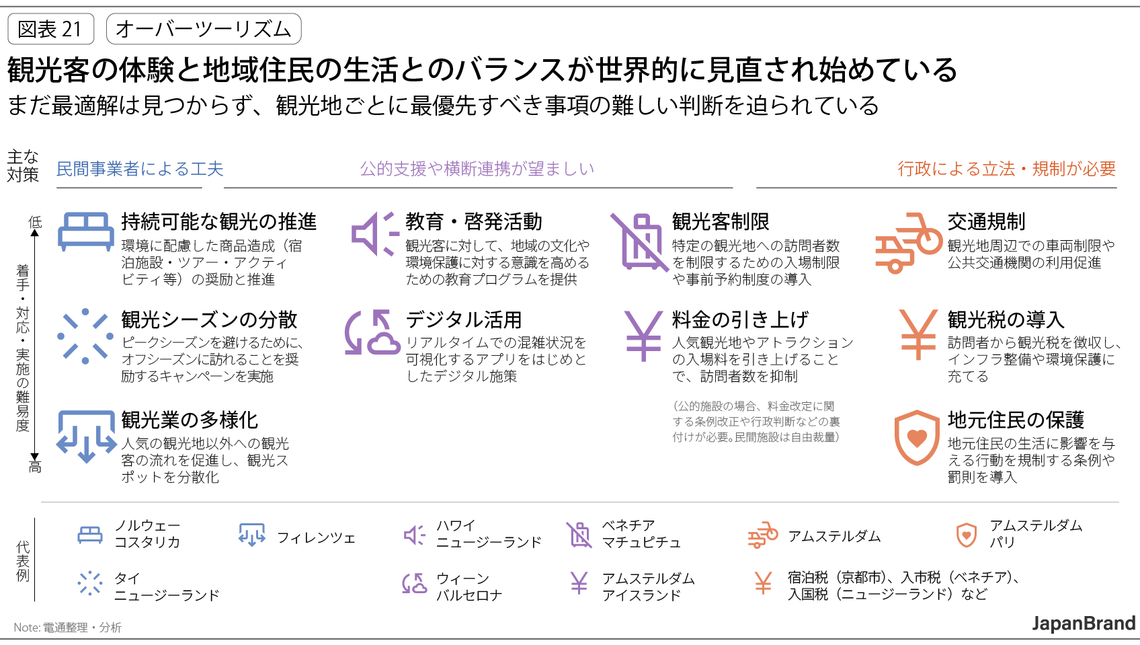
It is generally recognized that this concentration of demand in inbound tourism—both in terms of specific locations and specific times of year—is not a problem unique to Japan, but rather a common challenge faced by leading tourism nations worldwide that is still in the process of being resolved. (Figure 21)
When considering how to level out demand, I believe the “three perspectives”—insect, fish, and bird—are indispensable.
- Observation and analysis through the “insect’s eye”: Refining our understanding of the current situation by deciphering the deep-seated psychology of consumers, conducting an inventory of existing assets, and identifying challenges.
- Mutual understanding through the “fish’s-eye view”: Researching other countries and best practices, and co-creating a vision for the future through repeated consultation with local residents.
- Guidance and support through the “bird’s-eye view”: Government monitoring and strategic policy formulation to support the early detection of issues and the development of constructive solutions.
Furthermore, recognizing that the pursuit of economic rationality alone has its limits, a combination with sociological and psychological approaches will likely be required in various contexts.
Consideration 2: Reuse Value
From the perspective of the circular economy, the reuse of secondhand goods is a key element. This survey revealed that interest in secondhand goods in Japan is very high overall and is attracting attention regardless of region or country.
In particular, the “excellent condition” and “high durability” of Japanese products are highly valued by consumers, and these characteristics contribute to the products’ competitiveness, which is underpinned by Japan’s unique reliability and values. Such positive perceptions can serve as a foundation for the creation and expansion of circular industries, as well as for differentiation strategies that are difficult to imitate. (Figure 22)
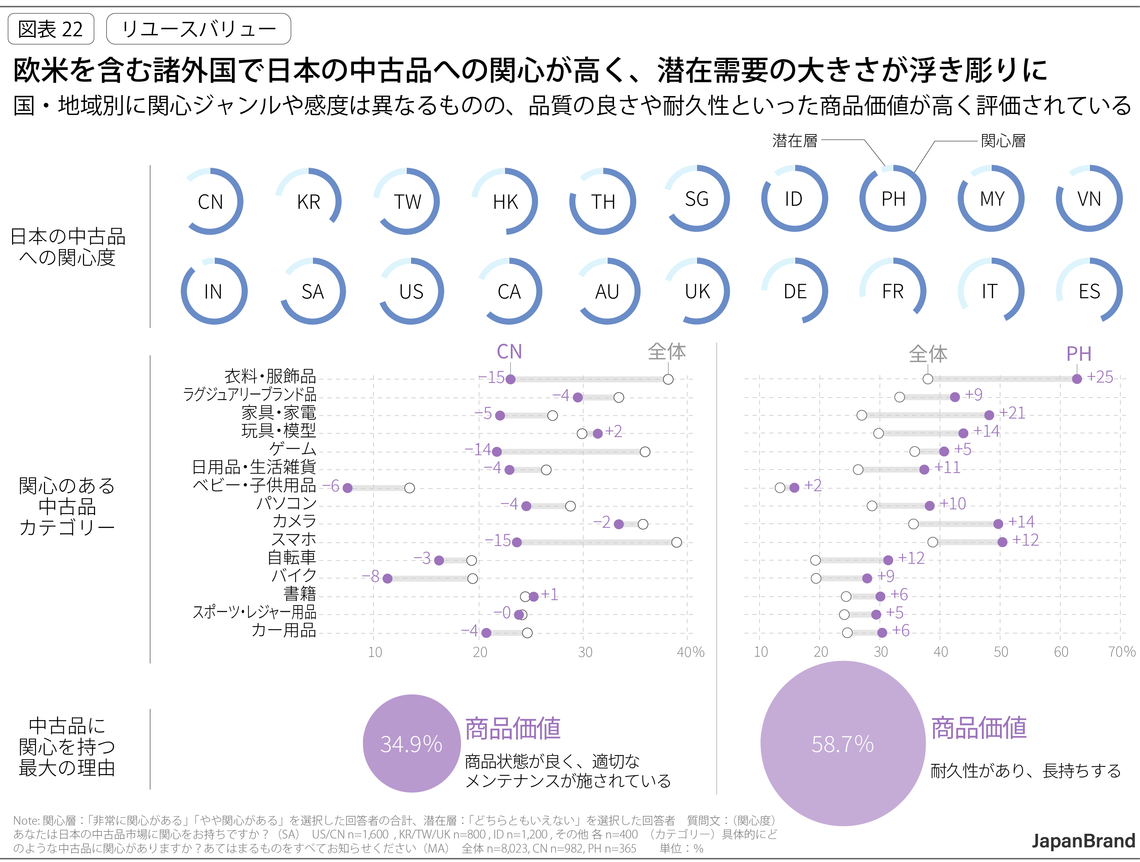
The Japanese secondhand market strongly reflects the inherent product values of Japanese goods, such as high quality and durability. The ability to acquire reliable Japanese products at affordable prices compared to new items is a major advantage that has attracted global attention.Furthermore, particularly in Southeast Asian countries, Japan’s unique cultural elements—ranging from the cultural heritage value of items such as kimonos, antiques, and traditional crafts, to distinctive fashion styles like Harajuku and street fashion, the fashion appeal of vintage clothing, and even pop culture merchandise related to anime, manga, and video games—are driving increased interest in secondhand goods.
Thus, when considering the reuse value of secondhand goods, there is no doubt that product value forms the backbone of the market. However, to expand the customer base over the medium to long term, it is essential to strategically embrace the following broader perspectives in addition to product value.
- Experiential value: Providing user experiences that incorporate Japanese culture and creating new meanings through collaborations and upcycling.
- Social Value: Achieving a shift in value from a sustainability perspective and gaining social empathy through education and awareness campaigns regarding the circular economy.
This approach encompasses both a defensive strategy—reuse based on environmental considerations—and an offensive strategy—cultural and market expansion to further elevate brand and business value. By combining these two approaches, the Japanese secondhand market is expected to evolve beyond a mere “marketplace for trading goods” into a “sustainable ecosystem connecting culture, society, and the economy.”
Consideration 3: Well-being
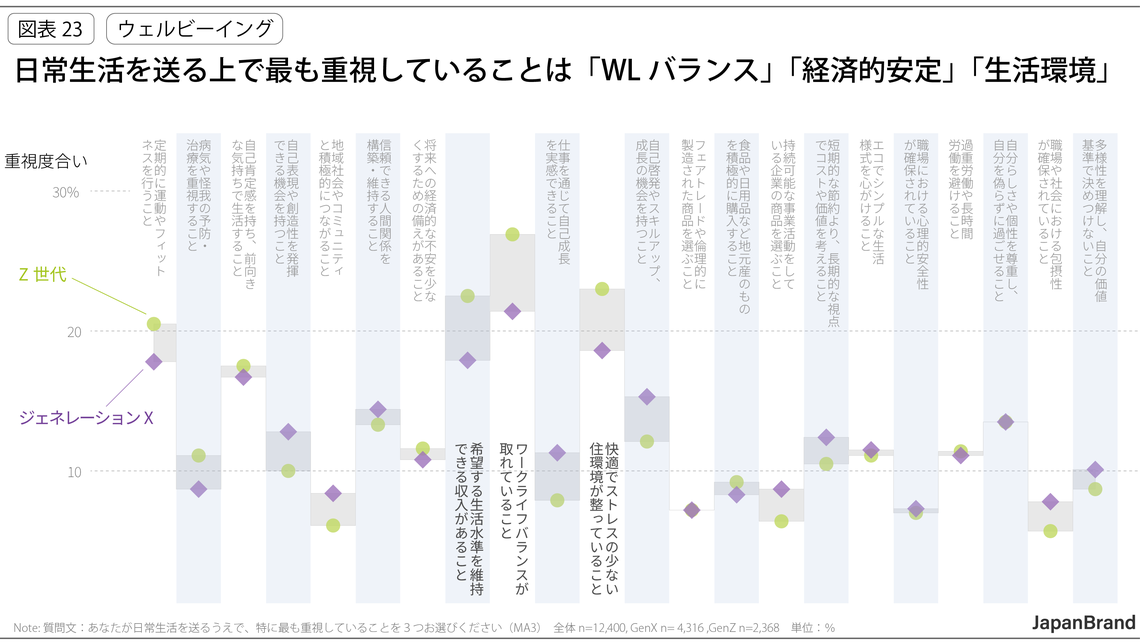
Regarding values prioritized in daily life, a pronounced emphasis on quality of life was evident, including “achieving work-life balance,” “maintaining one’s desired standard of living,” and “a comfortable, low-stress living environment.”
These factors tend to be highly valued, particularly among Gen Z, suggesting a shift in the values of younger generations. (Figure 23)
Furthermore, among topics of social interest, issues related to technology, health, and sustainability—such as “the use of generative AI,” “renewable energy,” “health tech,” and “mental health”—ranked highly. Notably, Gen Z women showed a particularly high level of interest in “mental health,” and it is worth noting that areas of interest vary by generation and gender. (Figure 24)
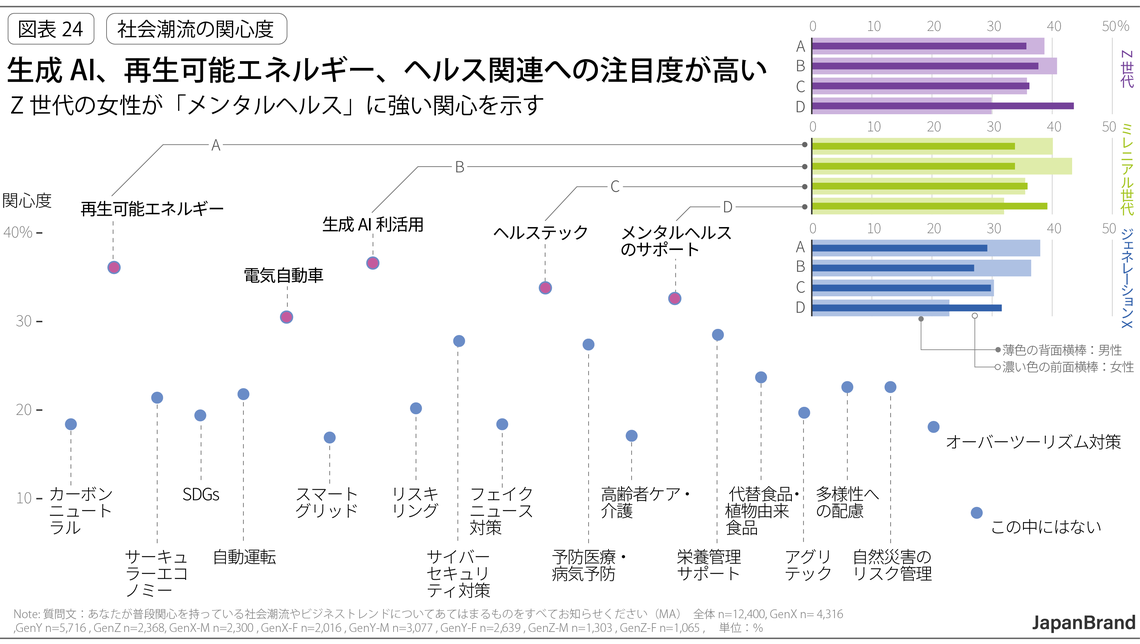
The use of generative AI as a tool for obtaining everyday information has already become an irreversible trend, and it has become clear that, among the various elements that constitute well-being, career aspirations, financial stability, quality of living environment, and mental fulfillment are particularly emphasized.
In a world where predictions often fail to materialize, we will continue to explore, based on consumer insights, what clues might reveal the ripple effects that the flutter of a butterfly’s wings in Brazil might have on the future of Japanese brands.
Data Visualization, Charts, and Visuals: Li Shunshi
Dentsu Inc. Official Data & Knowledge: Japan Brand Survey Hub Page
WEB Dentsu-ho Special Content: Japan Brand Weekly Chart 
[Contact Information for Inquiries Regarding This Matter]
Dentsu Inc., Japan Brand Project Team
japanbrand@dentsu.co.jp
Japan Brand Survey Hub Page
https://www.dentsu.co.jp/knowledge/japan_brand/
[Purpose of the Dentsu Inc. Brand Survey]
Launched in 2011—when the Great East Japan Earthquake led to reputational damage affecting Japanese agricultural and marine products as well as inbound tourism—this is Dentsu Inc.’s proprietary commercial marketing research initiative designed to understand how products and services originating in Japan are perceived globally.The Japan Brand Survey regularly assesses overseas consumers’ perceptions and actual behaviors regarding the Japan brand as a whole, covering areas such as overseas travel, inbound tourism, culture, regional revitalization, Japanese cuisine, Japanese products, and lifestyle. By visualizing shifting consumer sentiments as well as the challenges and potential of the Japan brand, the survey contributes to increasingly complex corporate activities while also promoting cross-cultural understanding within Japanese society.
[Dentsu Inc. Brand Survey 2025: Survey Overview]
・Target Areas: 20 countries and regions (United States, Canada, Australia, United Kingdom, Germany, France, Italy, Spain, Saudi Arabia, India, Indonesia, Singapore, Malaysia, Philippines, Thailand, Vietnam, Mainland China, Hong Kong, Taiwan, South Korea)
・Eligibility Criteria: Men and women aged 20–59 (middle-income bracket and above) *2
・Sample Size: 12,400 (Breakdown: 1,600 each from the United States and Mainland China; 1,200 from India; 800 each from South Korea, Taiwan, and the United Kingdom; 400 each from other countries and regions) *3
・Survey Method: Online survey
・Survey Period: May 20–June 22, 2025
・Research Organizations: Dentsu Inc. (commissioner), Video Research Ltd. (implementation partner)
[Notes and Disclaimers]
*1: The target areas in Mainland China are primarily Tier 1 cities; in India, they are Delhi, Mumbai, and Bengaluru; in Australia, the Sydney metropolitan area; and in Southeast Asia, they are primarily limited to metropolitan areas.
*2: Definition of the middle-income class: Criteria were established for each country based on average national income figures (such as OECD statistics) and socio-economic classification (SEC).
*3: Samples were collected using equal allocation by gender and age group in each country and region, and the data was weighted to reflect the population distribution.
*4: Since the composition ratios in this survey are rounded to the second decimal place (or to the first decimal place where displayed as whole numbers), the totals may not add up to 100%.
*5: In creating the charts and tables for this survey, the names of the countries and regions analyzed use the international standard ISO country codes (ISO 3166-1 alpha-2), with a few exceptions.
United States/US, Canada/CA, Australia/AU, United Kingdom/UK, Germany/DE, France/FR, Italy/IT, Spain/ES, Saudi Arabia/SA, India/IN, Indonesia/ID, Singapore/SG, Malaysia/MY, Philippines/PH, Thailand/TH, Vietnam/VN, Mainland China/CN, Hong Kong/HK, Taiwan/TW, South Korea/KR
*6: The names of countries and regions used in this survey report and on our website are based on the long-standing views of the Japanese government, as well as Japanese social norms and business practices.
*7: The names of countries and regions used in this survey are for statistical or analytical convenience only and do not imply any political stance or viewpoint.
*8: The maps used in this survey (world map and map of Japan) have been partially modified and cropped to suit the analysis content and page layout; therefore, they may not necessarily reflect national borders and territorial boundaries accurately.
*9: As a commercial marketing research study aimed at understanding the lifestyle habits and brand preferences of general consumers, this survey has been conducted consistently since its inception through commissioned fieldwork partners, in strict compliance with local laws, regulations, and public order and morals.Surveys conducted in China are carried out through fieldwork contractors who have obtained the “Foreign-Related Survey Permit” required by Chinese authorities; our company does not conduct market research activities within China itself. Furthermore, we monitor and review our operational procedures as necessary in light of developments such as changes in laws and regulations.
*10: The response data collected through this survey is obtained, managed, and processed lawfully in accordance with the relevant laws and regulations of each target market. The data we receive consists solely of aggregated data that has been anonymized in a manner that does not allow for the identification of specific individuals and cannot be reversed; it does not contain any personal information.
Was this article helpful?
Share this article


Newsletter registration is here
We select and publish important news every day
For inquiries about this article
Author

Li Shunshi
Dentsu Inc.
First Business Transformation Bureau
Planner, Producer