
Note: This website was automatically translated, so some terms or nuances may not be completely accurate.
Education in the AI Era: How to Cultivate “The Way of Thinking About Thinking” — Advertising Elementary School 20th Anniversary Forum
On June 16, 2026, DENTSU CORPORATE ONE INC. held the “Advertising Elementary School 20th Anniversary Forum.” Launched in 2006, Advertising Elementary School has been developed as an educational program that fosters children’s “thinking skills” and “communication skills” through the creation of advertisements.
At this forum marking its 20th anniversary, educators and creators took the stage to discuss the ideal form of education required in the AI era.
Prerequisites for Education in the AI Era
In the keynote address, Masashi Okuma, Superintendent of the Koganei City Board of Education in Tokyo, took the stage. Having been involved in program development since the Advertising Elementary School’s inception, he explained that educational reforms are being advanced based on changes in the social environment—such as shifts in demographic composition and the proliferation of generative AI—and pointed out that “education is facing a major turning point.”
In this context, Mr. Okuma emphasized the importance of teaching “how to think.”
He explained that simply urging children to “think carefully” often leads them to search for the answer the teacher expects. On the other hand, if they can learn different approaches to problem-solving and the thought process itself, they will develop the ability to formulate their own questions and consider issues from diverse perspectives.
Changes in the learning environment also play a role. With the spread of cram schools and online learning materials, more children are familiar with lesson content in advance, and it is not uncommon for them to approach classes on the assumption that they already know the “correct answer.” As a result, he noted, children often end up merely pretending to study. Mr. Okuma described this situation as “low-effort adaptation,” pointing out that “conforming to those around them takes priority over learning.”
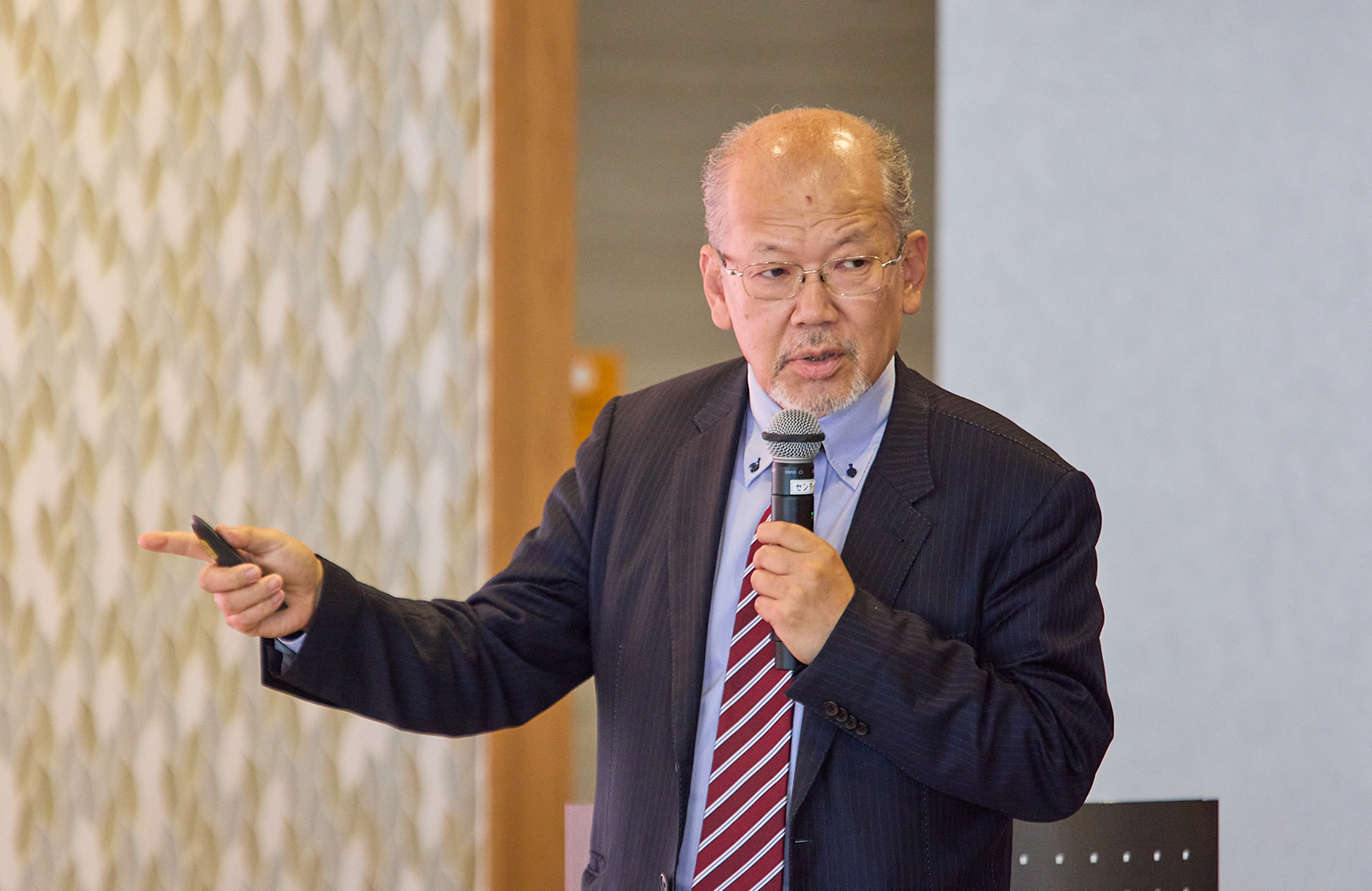
He also mentioned that while the spread of generative AI allows students to arrive at the correct answer quickly, opportunities for trial and error are being lost.
For example, in a green bean germination experiment, AI can answer the question, “How much fertilizer should be applied?” However, the question, “How can we maximize the yield from the very last green bean seed at this school?” requires responsible, hands-on inquiry—such as examining the soil and climate and talking to local residents—to grapple with reality.
Mr. Okuma stated, “Inquiry that involves physical engagement—which AI cannot replace—and the experience of making one’s own judgments and taking responsibility are indispensable for the education of the future.”
The Value of Kōkoku Elementary School, Practiced for 20 Years
Mr. Okuma explained that this approach is one that Advertising Elementary School has been putting into practice for the past 20 years.
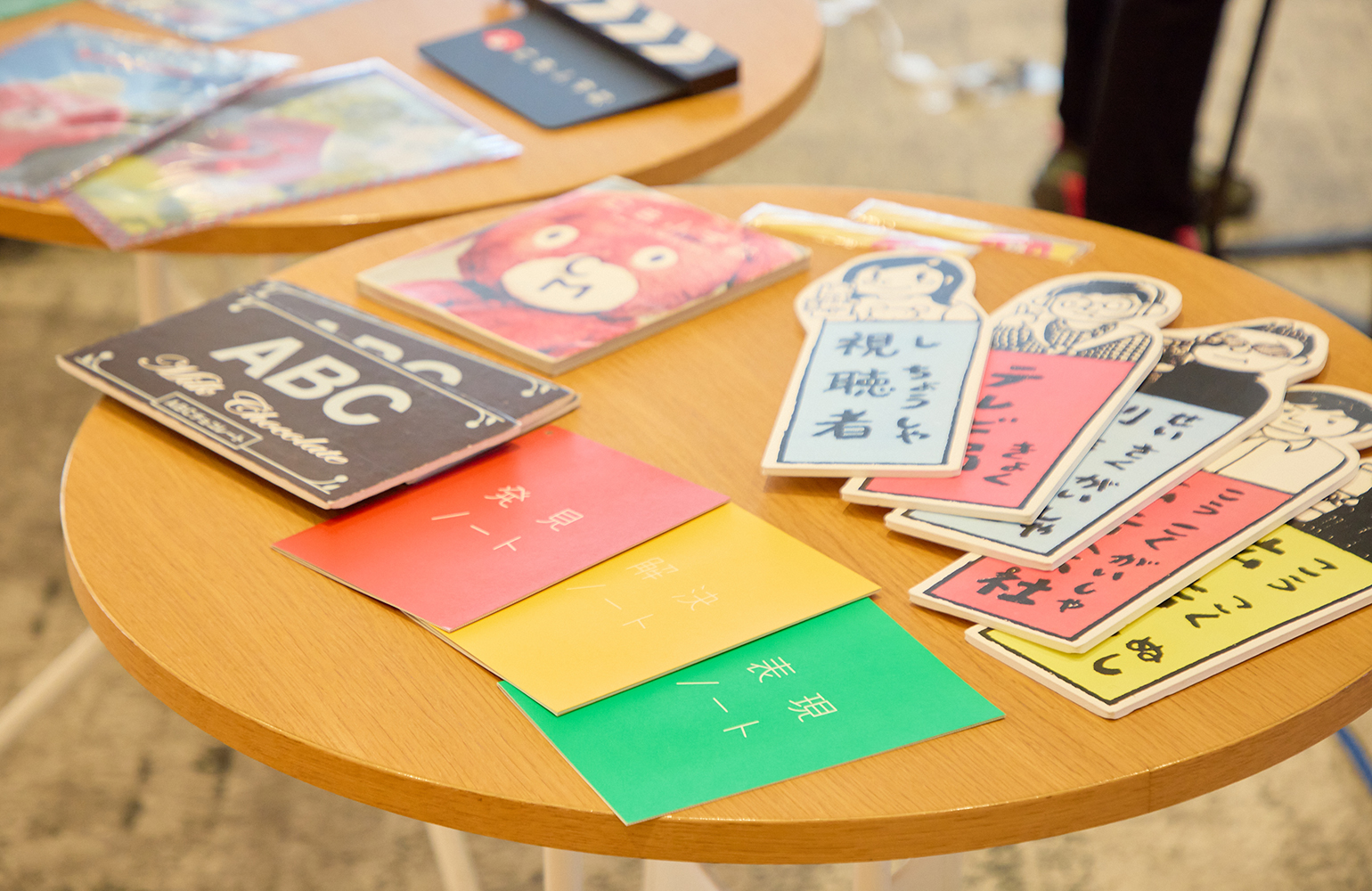
At Ad Elementary School, students not only learn creative thinking techniques but have also placed a strong emphasis on the process of observing themselves and their community—and discovering value through their five senses—through initiatives such as the “Self-Discovery Commercial” and the “Hometown Commercial.” Furthermore, the experience of selecting ideas from a diverse range of options and articulating the reasons for those choices fosters not only creative thinking but also an attitude of taking responsibility for one’s own decisions.
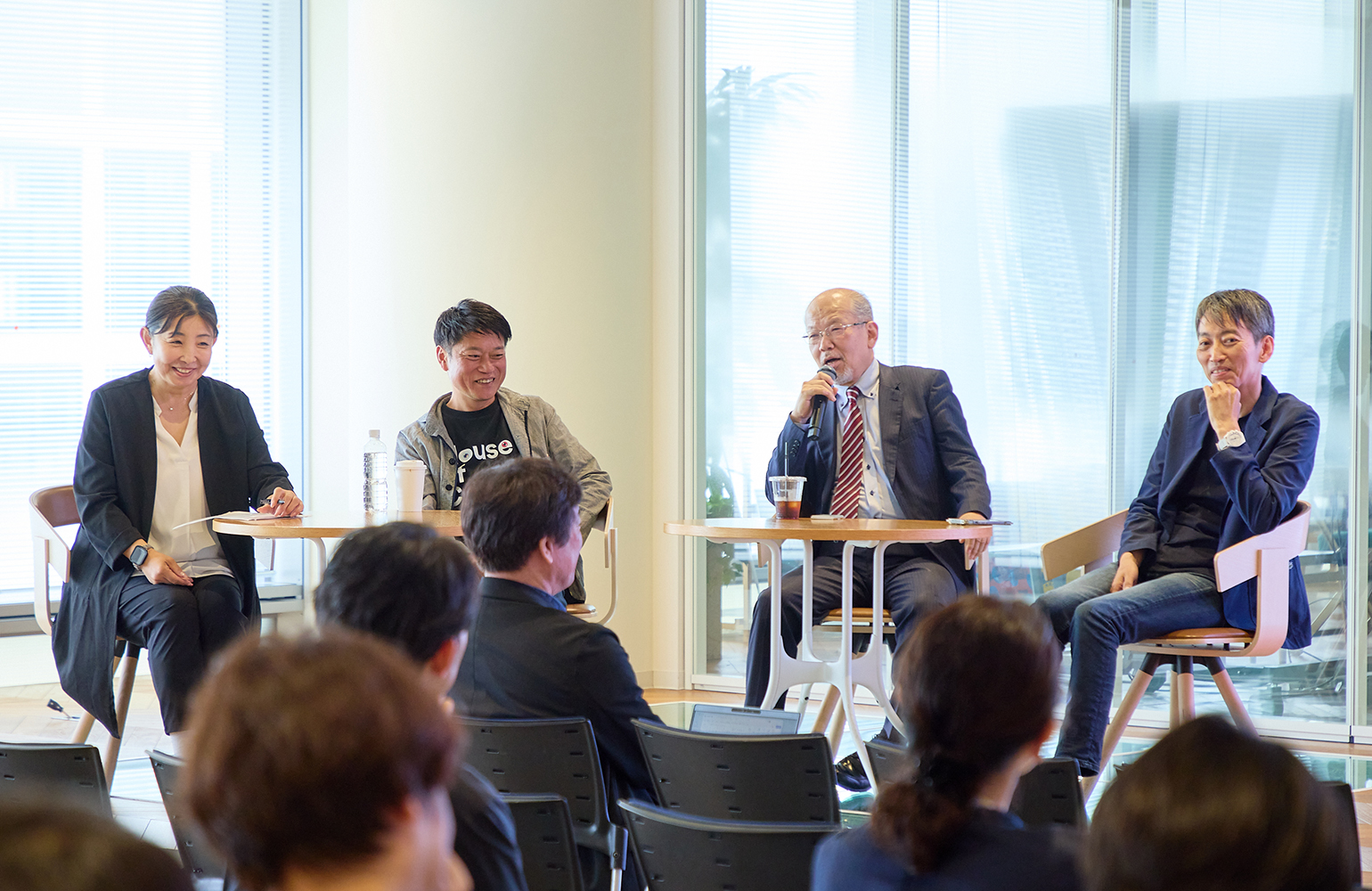
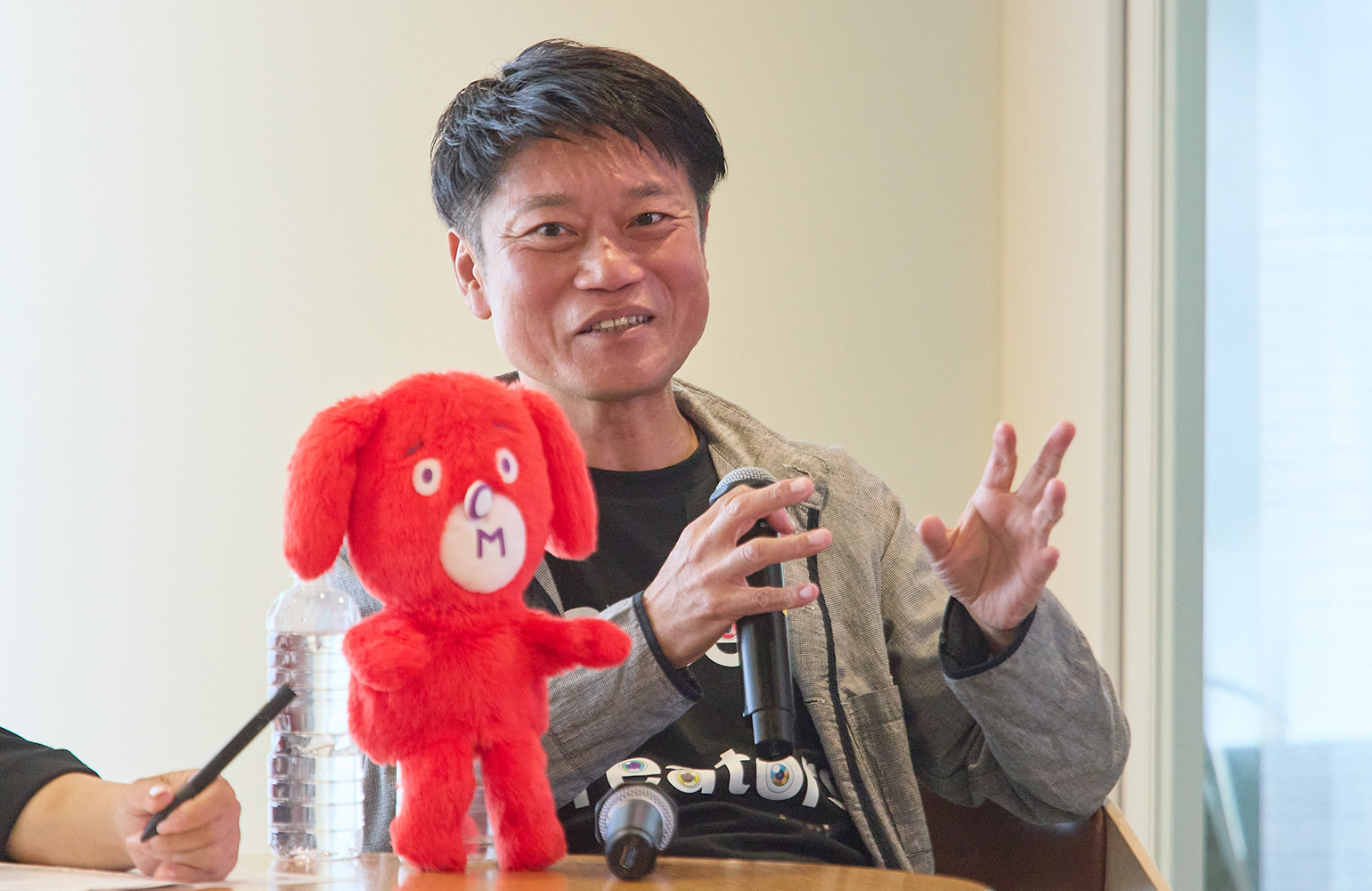
The subsequent panel discussion featured Mr. Okuma, Mr. Masahiro Makiguchi (Director of Ad Museum Tokyo, who also serves as principal of Advertising Elementary School), and Mr. Gen Tanaka (Art Director at Dentsu Inc.), the creator of the main character “Koma-ken-kun.”
Mr. Tanaka shared a memorable anecdote: when he told a child, “It would be nice if this were a little more interesting,” the child immediately began searching for “what is interesting” on a computer. He expressed concern that while convenient tools provide definitions and examples, we are increasingly relying on external sources even for ideas that should fundamentally stem from our own experiences and imagination.
Mr. Makiguchi also referenced the commencement address delivered by playwright Hideki Noda at the University of Tokyo, asking, “Is it truly creative to be able to easily arrive at what appears to be the correct answer?” He emphasized the value of trial and error itself.
The Abilities People Should Cultivate in an Era of Coexistence with AI
A recurring theme throughout the session was the importance of “physicality” and “responsibility.”
Using the example of making soba noodles, Mr. Okuma explained that even if AI can indicate the theoretically optimal water-to-flour ratio, in practice, adjustments must be made by feeling the day’s humidity and the condition of the flour with one’s hands. He stated that intuition, cultivated through experience, is knowledge gained through the body and cannot be replaced by AI alone.
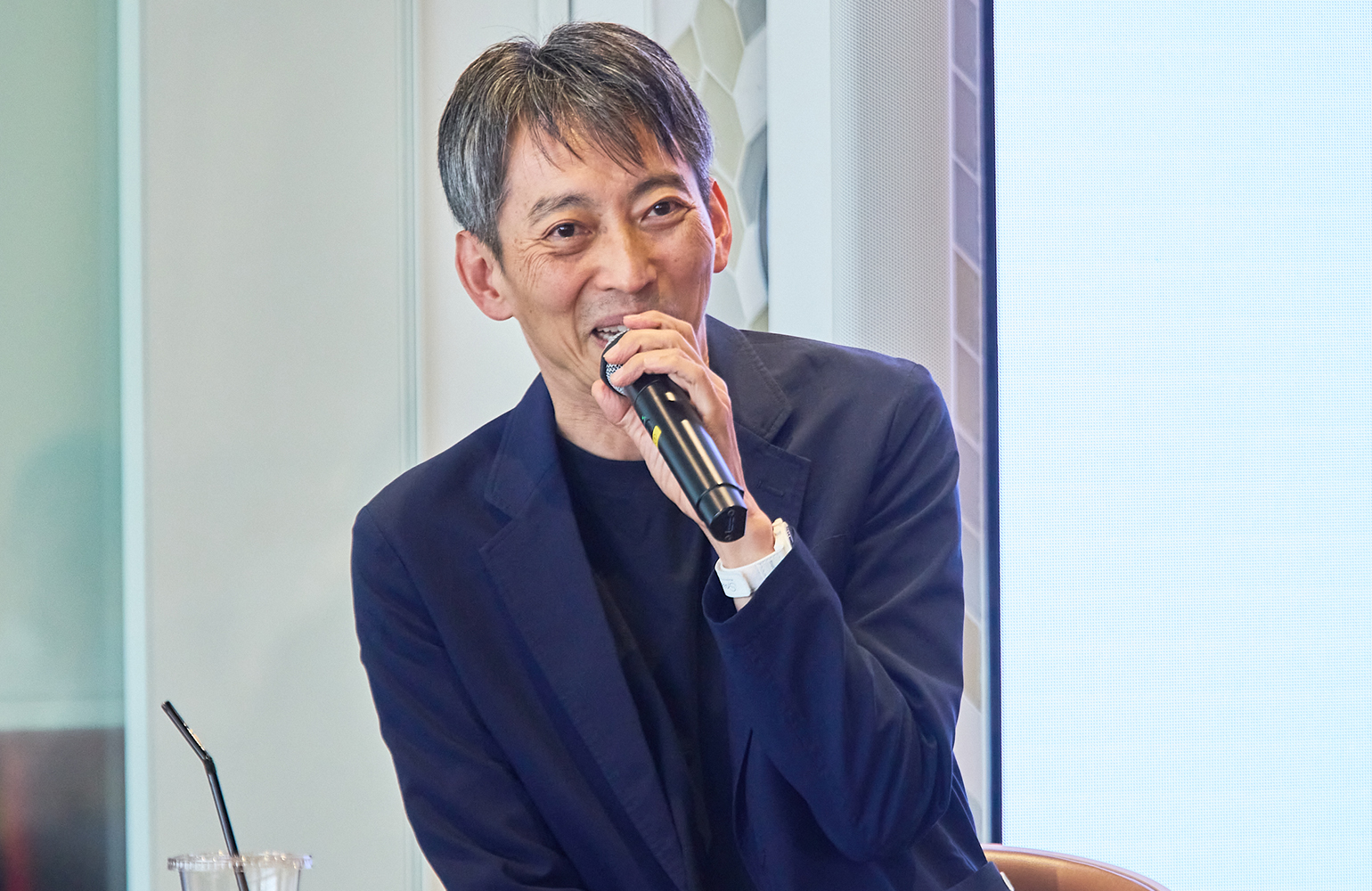
Mr. Makiguchi also cited examples from Dentsu Inc. meetings and shogi AI to highlight the value of the atmosphere created when people share the same space and the intuition that works precisely because people are interacting face-to-face. Mr. Tanaka added, “AI can generate many ideas, but it does not take ultimate responsibility,” emphasizing the importance of thinking for oneself and making one’s own choices.
At the end of the forum, Mr. Okuma introduced the term “Se-mui.” Derived from Buddhism, this concept means “to bestow a state of fearlessness.” He concluded by stating that creating a classroom with psychological safety—where students feel they “can think whatever they want”—leads to proactive learning.
The practices that Advertising Elementary School has built up over the past 20 years are beginning to take on new meaning with the advent of generative AI. It is not just about teaching knowledge or correct answers, but about fostering the ability to formulate questions, learn the process of thinking, explore through hands-on activities, and take responsibility for one’s own choices.
In an era of coexistence with AI, the role of education is shifting more clearly toward fostering these uniquely human abilities.
Was this article helpful?
Share this article


