
Note: This website was automatically translated, so some terms or nuances may not be completely accurate.
“Tsunagaru PRIDE 2026” Held—Screening of the Film “Until the Day I Call Him My Son,” Which Depicts the Daily Life of a Transgender Person
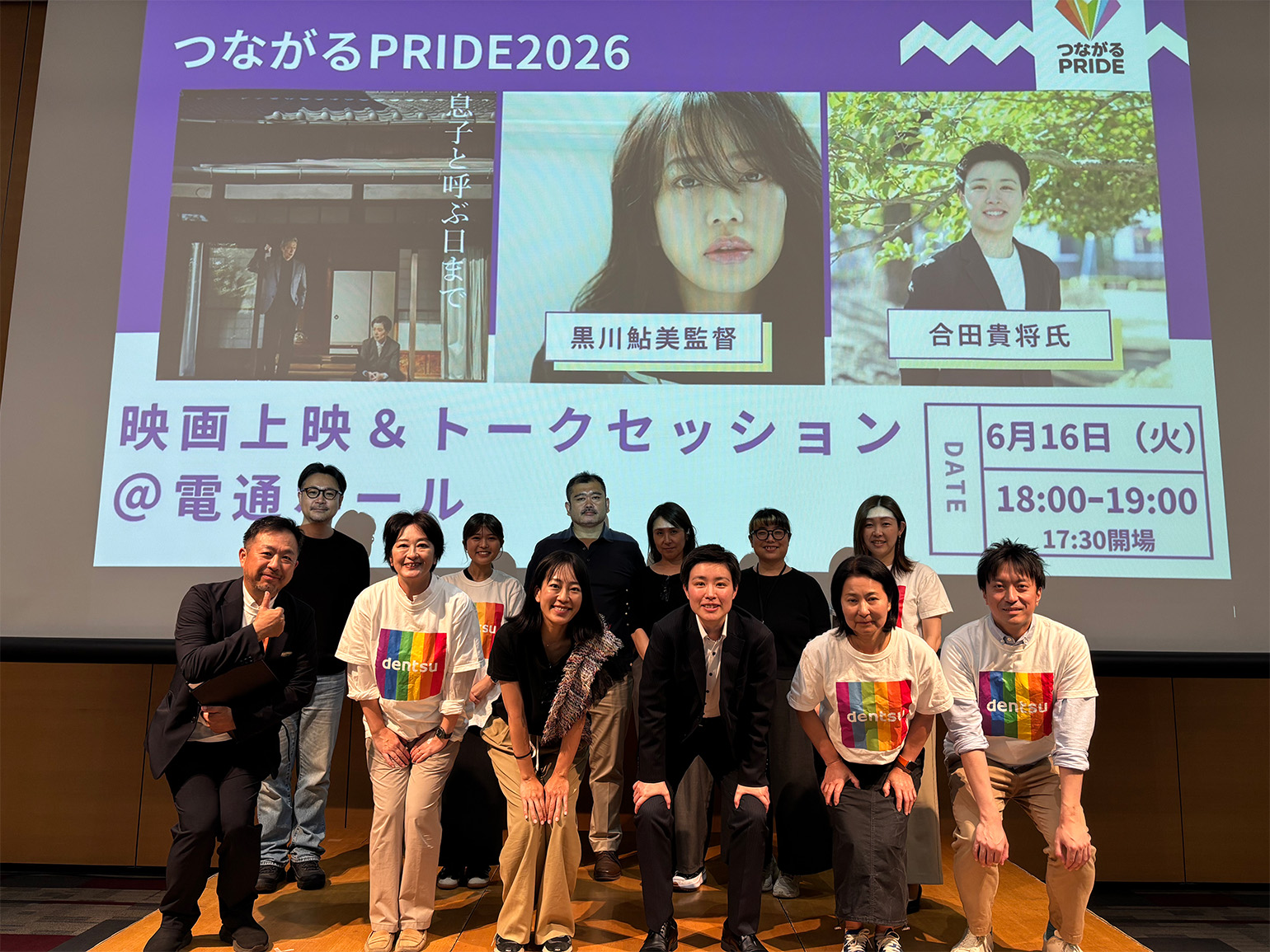
On Tuesday, June 16, 2026, “Tsunagaru PRIDE 2026”*1, organized by the Tsunagaru PRIDE Secretariat at dentsu Japan, was held. This year marks the fifth iteration of the event since its launch in 2022. The theme was “How should companies address and respond to LGBTQ+ issues?”
*1 The event began as “Online PRIDE” and was renamed “Tsunagaru PRIDE” in 2026. It was launched by three companies—SEPTENI CO.,LTD, PR Consulting Dentsu Inc., and Dentsu Digital Inc.—with the goal of “expanding beyond individual companies to the group and, ultimately, to society.”Over the past four years, the number of participating employees and dentsu Japan companies has grown, and seven companies are now involved. The initiative continues to move forward with the goal of “connecting people and companies through a single effort, and eventually spreading an ‘atmosphere of safety and comfort.’”
On the day of the event, following the film screening, a talk session was held featuring director and screenwriter Ayumi Kurokawa and lead actor Takamasa Goda. More than 80 Dentsu Group employees gathered at the venue to listen to the two speakers.
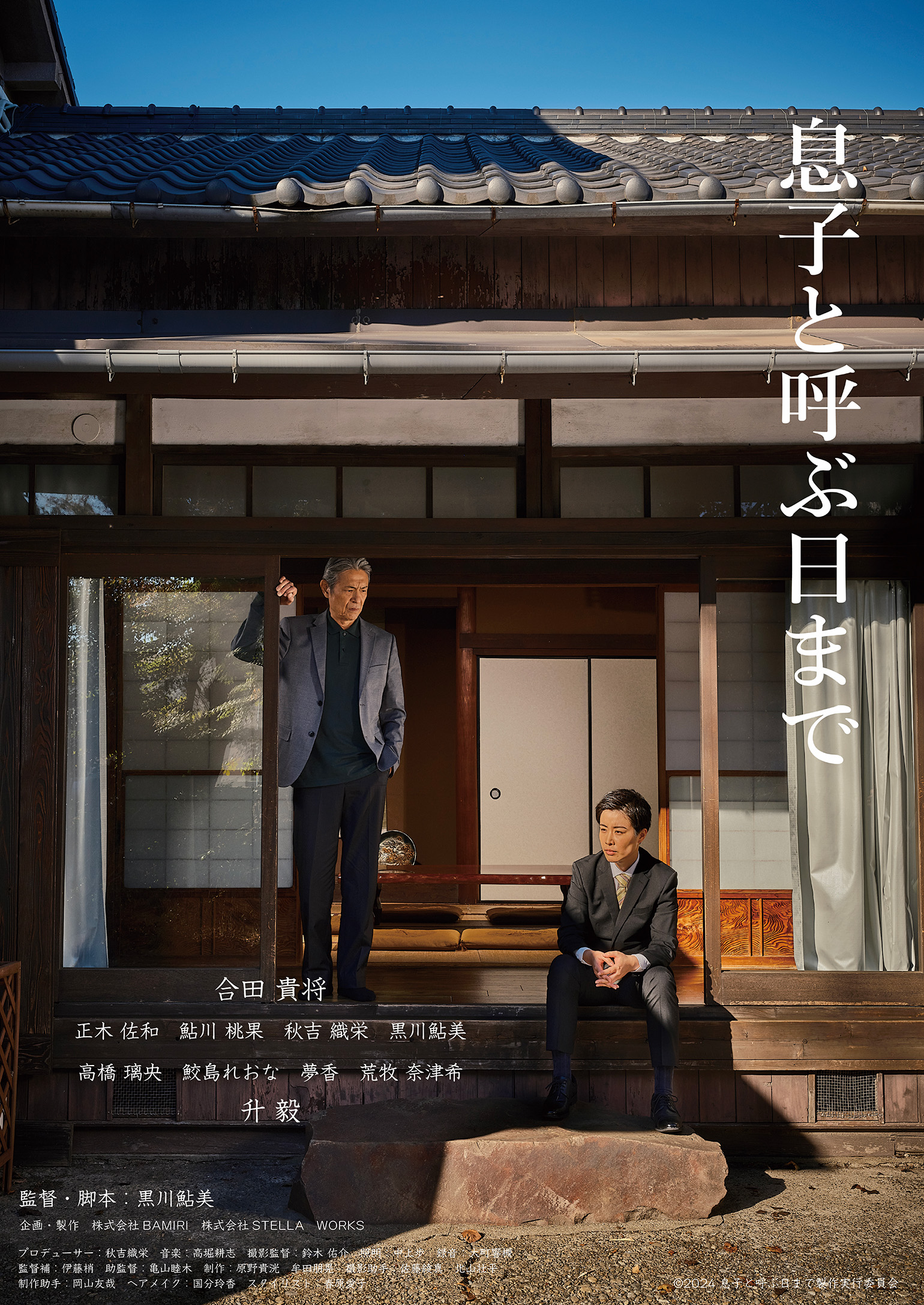
This film is a human drama depicting the struggles of a transgender protagonist amid the discrimination and prejudice swirling in modern society, as well as the bonds of family. For Kurokawa, this marks his second film with an LGBTQ+ theme. The role of Shota is played by Takamasa Goda, who was selected through an open audition exclusively for transgender individuals.
“The truth is being distorted”—The starting point for the film’s production
During the talk session, Ms. Kurokawa first spoke about her motivation for making the film. She explained that she had seen many negative comments on social media and online news outlets—such as claims that transgender people “only assert their own rights”—and felt there was a significant disconnect between these views and the actual experiences of those she knew personally. “I began production believing it was my mission to use this film to convey the real struggles and everyday worries faced by transgender people,” she stated.
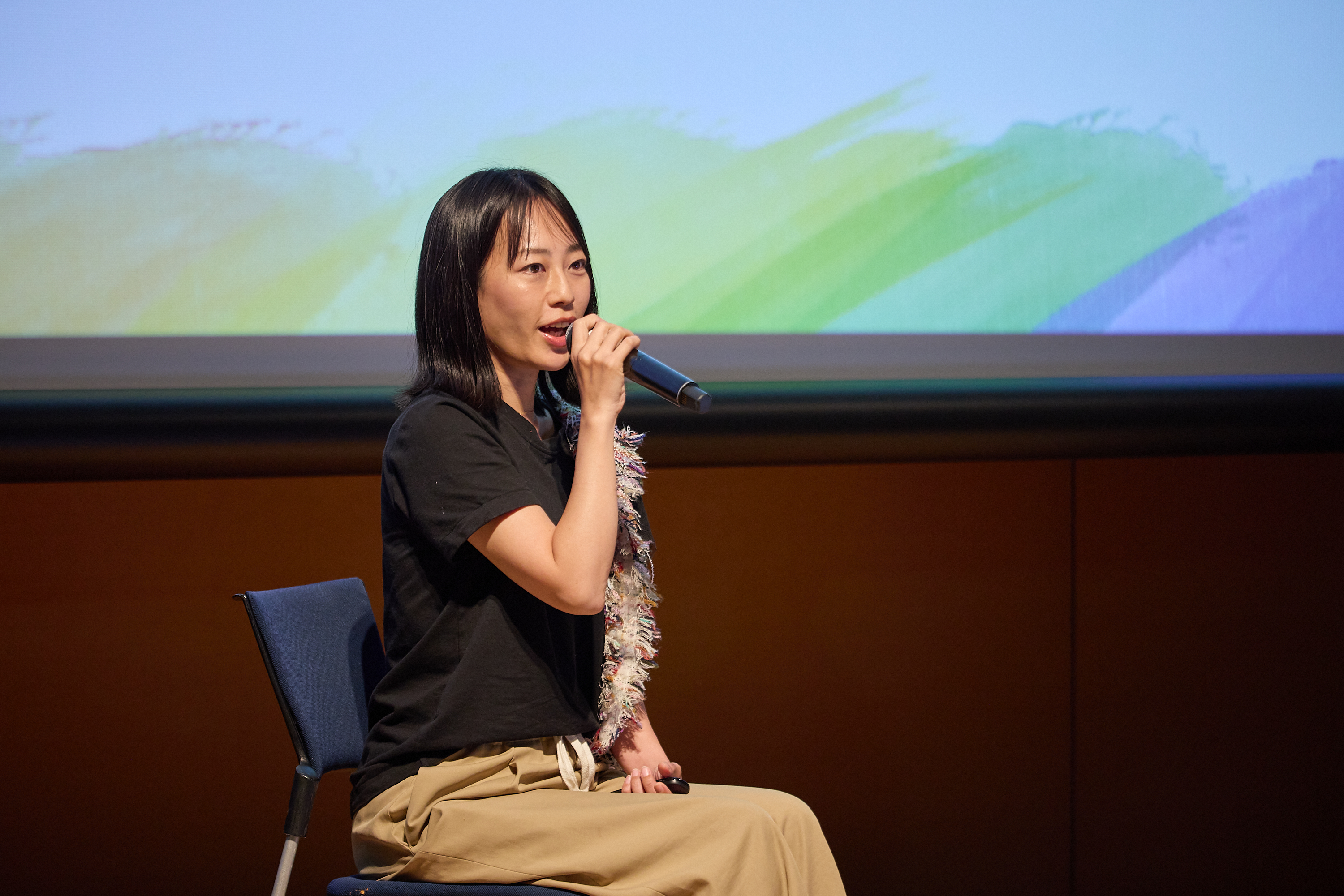
Reflecting on the audition, Ms. Goda said, “The role they were casting for was a transgender person, working in real estate, around 30 years old. I thought this audition might have been held just for me.” Because it perfectly matched her own circumstances, she decided to take on the challenge despite having no acting experience.
Footage from the audition was shown at the event. In the video, Ms. Goda candidly expressed her feeling that the term “transgender” tends to gain widespread public attention almost exclusively when it sparks controversy. She explained, “I applied because, as someone who identifies as transgender, I wanted to express my gratitude for the opportunity to bring attention to transgender people through entertainment.”
Moved by her sincere attitude, Mr. Kurokawa said he felt, “Even if no one were to see the film, I want to create this work together with Ms. Goda.”
“Thank You for Telling Me”—Coming Out to My Family
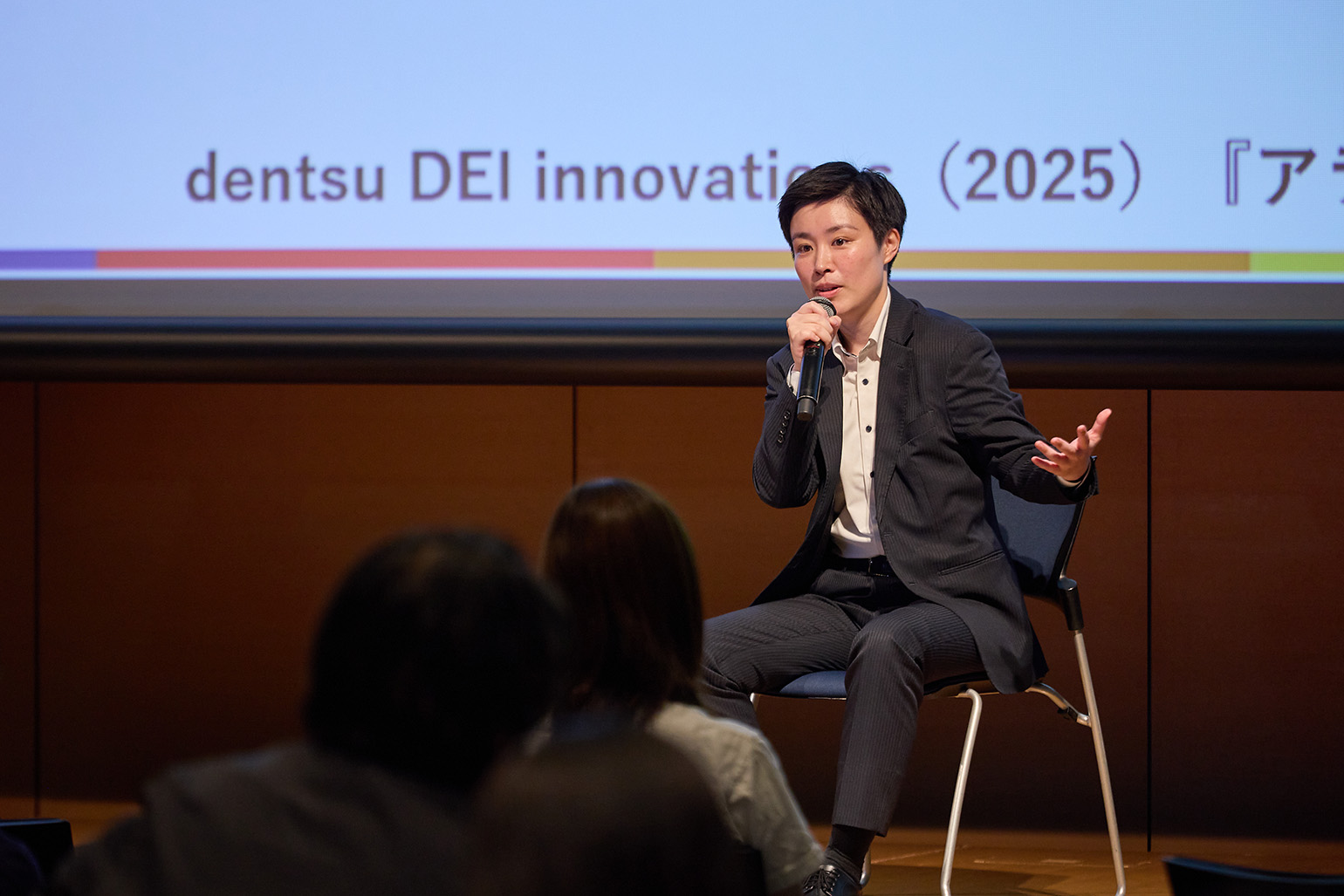
The conversation then delved into Mr. Goda’s personal experiences. He came out to his parents during his sophomore and junior years of college. With job hunting and graduation on the horizon, he felt it was something he could no longer avoid.
“Precisely because we’re such a close-knit family, I was afraid that coming out would shatter the trust we’d built up over the years, so I couldn’t bring myself to take that step,” he explained. Once he made up his mind, Mr. Goda revealed that he has gender dysphoria and identifies as a man. His parents’ first words to him were, “Thank you for telling us. We’re sorry we didn’t realize this sooner. It’s your life, so you can do whatever you want.”
After hearing the story, Mr. Kuroda added, “I would be happy if people kept in mind that a person’s birth gender does not necessarily equal their true gender, and made an effort to provide an education that broadens children’s options.”
An office lined with rainbow stickers—coming out at work
The discussion then turned to Mr. Goda’s struggles during his job search.
Ten years ago, when LGBTQ+ initiatives were not as active as they are today, Ms. Goda struggled with whether to take the entrance exam as a man or as a woman, and graduated from university without reaching a conclusion. After continuing to wrestle with the issue even after graduation, she ultimately decided to approach her job search as a woman—wearing a skirt and a ponytail—and received a job offer from Nomura Securities.
During a one-on-one interview held afterward, she explained, “I am a transgender man at heart and would like to work as a man.” For Ms. Goda, who had heard stories from friends about job offers being revoked after they came out, this was a conversation that required tremendous courage. That evening, she received a call from the HR department, who told her, “Regarding your start date, we’d actually like you to advise us on how to proceed. Of course, we’d like you to join us as a man.”
On his first day at work, when he opened the door to his assigned office, he found that everyone—from the branch manager to second-year employees—had rainbow “Ally”*2 stickers on their computers. Mr. Goda, who had been feeling anxious, recalled that upon seeing the office filled with color, he felt, “I can live and work here as a man.”
Mr. Kurokawa continued, “Amid a trend of various companies adopting rainbow-themed items, making understanding and support for the LGBTQ+ community visible—through measures like ally stickers—can create a safe space for those directly affected. I believe a society that offers choices in how people live is a society where it’s easier to live.”
*2 Ally: A person who understands the LGBTQ+ community and takes action to support it. The term derives from the English word “ally” (meaning “alliance,” “companion,” “friend,” or “supporter”).
Feelings Over Knowledge—What It Means to Be an Ally
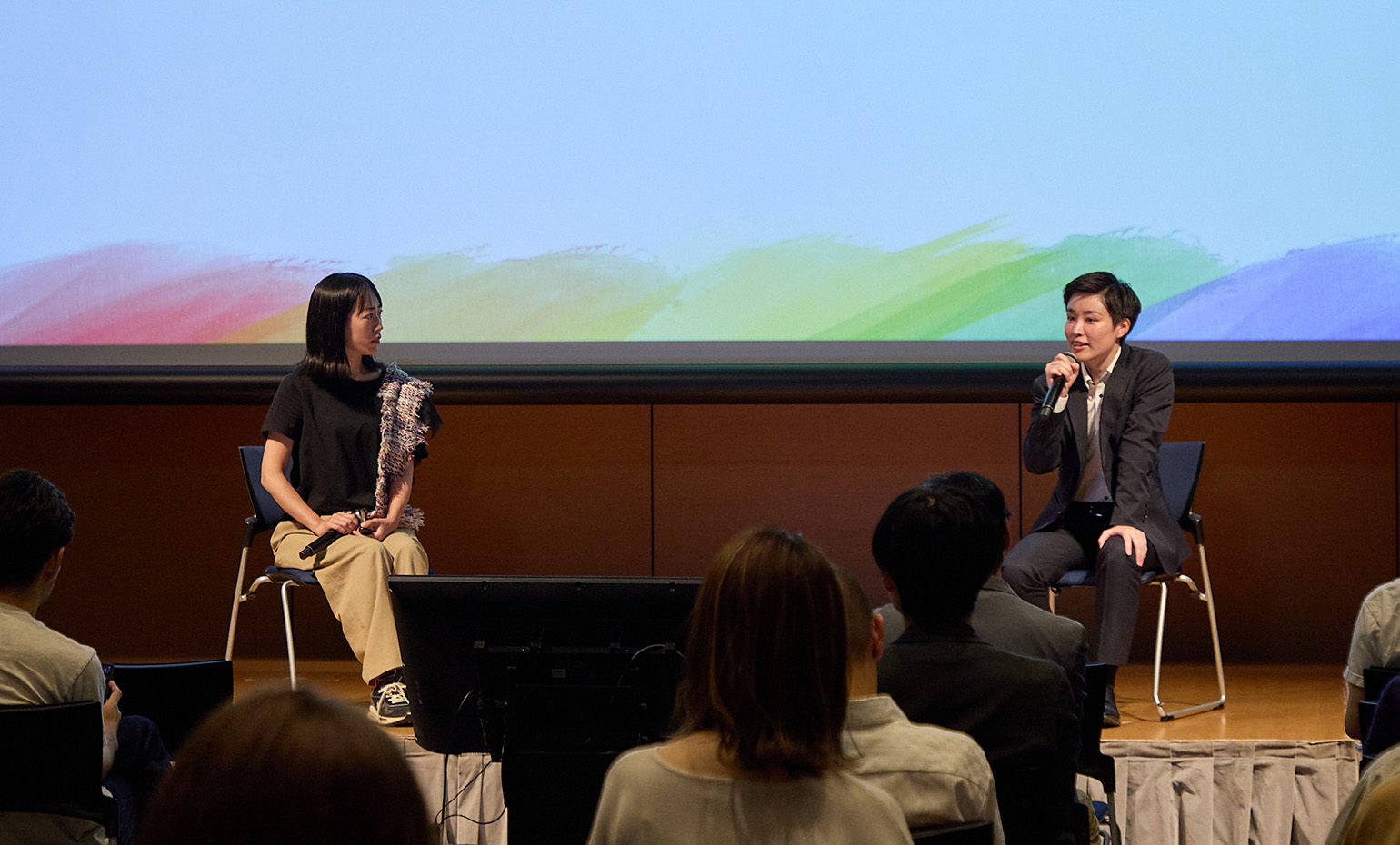
After the session, the moderator, speaking on behalf of the participants, asked, “What is needed to bridge the gap between those who engage in ally activities and those who hesitate to participate?”
Mr. Kurokawa replied, “There’s no rule that says you can’t wear a sticker unless you can define every LGBTQ+ term. The very fact that you’re thinking of someone and want to create a safe space for them makes you an ally; the essence of being an ally is valuing the person right in front of you, even without specialized knowledge.”
Mr. Goda cited the example of someone who had recently been transferred to his office. “The new transfer asked, ‘What is this sticker?’ Once I explained its meaning, their understanding grew, and a chain reaction began where they decided to wear the sticker themselves. Visual items like stickers and keychains can also serve as conversation starters, so I think starting by wearing them is one approach,” he said.
Finally, the two panelists reiterated their respective thoughts.
“I’d be happy if people shared the content of the film and this event with one another. I hope people will pay attention to the LGBTQ+ community not just during Pride Month, but throughout the year,” said Mr. Kurokawa. Mr. Goda concluded the event by expressing his hope that “the LGBTQ+ initiatives companies are undertaking will reach the teenagers and people in their 20s who are currently struggling.”
[Event Overview]
Name: “Tsunagaru PRIDE 2026”
Organizer: Tsunagaru PRIDE Secretariat
Date: Tuesday, June 16, 2026
Venue: Dentsu Inc. Hall
Was this article helpful?
Share this article


