
Note: This website was automatically translated, so some terms or nuances may not be completely accurate.
 Global Sentiment and Japanese Identity: Japan Brand Survey 2024 [4/5]
AWA Session: “Japanese Brands from a Global Perspective: A Report Card on Their Potential”
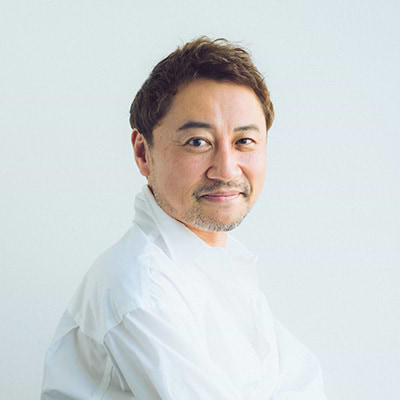
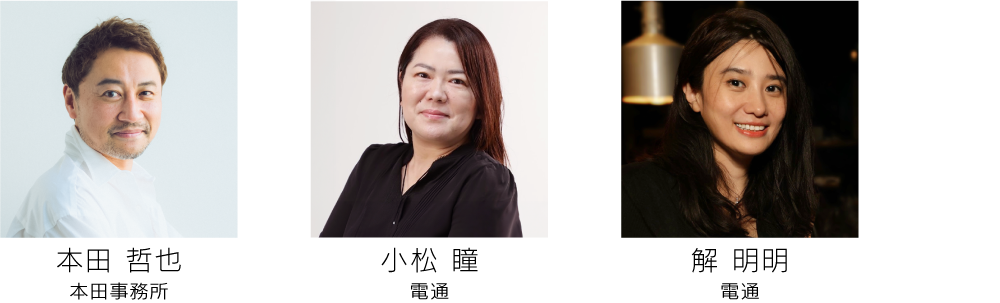
Honda Tetsuya
Honda Office Co., Ltd.
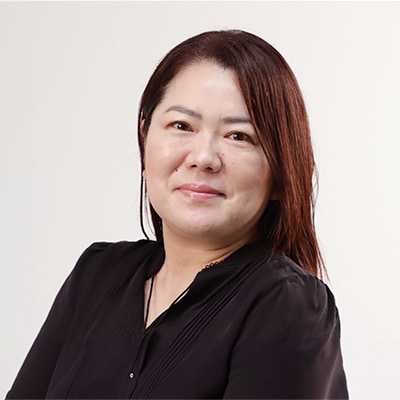
Hitomi Komatsu
Dentsu Inc.

Kai Meimei
Dentsu Inc.

Ryunosuke Tsuzuki
Dentsu Inc.
Japanese brands have already spread across the globe. Among them, Japanese cuisine has come to be loved worldwide not merely as an “interesting foreign culture,” but as “WASHOKU”—a familiar and beloved flavor.In this article, drawn from sessions at “Advertising Week Asia 2024” held in September, Part 1 presents a summary of the Japan Brand Survey results, while Part 2 offers insights into “Japanese cuisine”—which is beloved overseas—and its future. We present excerpts from a roundtable discussion featuring renowned PR strategist Tetsuya Honda and Hitomi Komatsu and Mingming Jie from Dentsu Inc.’s Japan Brand Survey Team.
<Table of Contents>
▼Japan Ranks No. 1 as a Country People Want to Revisit for Tourism
▼What Makes People Want to Return to Japan?
▼ What Do Visitors Want to Do in Japan?
▼What Are the Barriers to Visiting Regional Areas?
▼Popular Japanese Foods Vary by Region
▼“Sushi” Is the Most Popular Japanese Dish in China
▼The State of Japanese Cuisine in Thailand and Singapore
Japan is the No. 1 country people want to revisit for tourism
Komatsu: Today, I’d like to share the results of Dentsu Inc.’s “Japan Brand Survey 2024” and discuss some related anecdotes. First, let me introduce myself.

Honda: I usually work in PR, but today I won’t be talking about PR. Since I actually moved to Singapore last year and have been living in two places, I’d like to share my perspective on Japan as seen from abroad.
Komatsu: I’m a strategic planner at Dentsu Inc. I started my career as a researcher at an IT company, and since joining Dentsu Inc., I’ve been in charge of communication strategies for consumer goods companies. After stints at a foreign-affiliated agency and Dentsu Digital Inc., I was assigned to Thailand in 2019 and worked there for four years. I returned to Japan this past January and am currently working at Dentsu Inc.’s headquarters in Japan.
Kai: I work as a strategic planner at Dentsu Inc. I grew up in China until I was 20 and spent my university years in Japan. Since joining Dentsu Inc., I’ve been working on branding and marketing projects, primarily for clients in Japan and the Greater China region. As a member of Dentsu Inc. Japan’s Brand Research Team, I’d like to share the latest research findings and discuss inbound tourism trends, particularly those related to the Greater China region.
Komatsu: The three of us have lived in Thailand, Singapore, and China, respectively. In Part 1, we’ll cover just the top-line results of the survey, and in Part 2, we’d like to discuss those results in a more tangible way by incorporating our personal experiences.
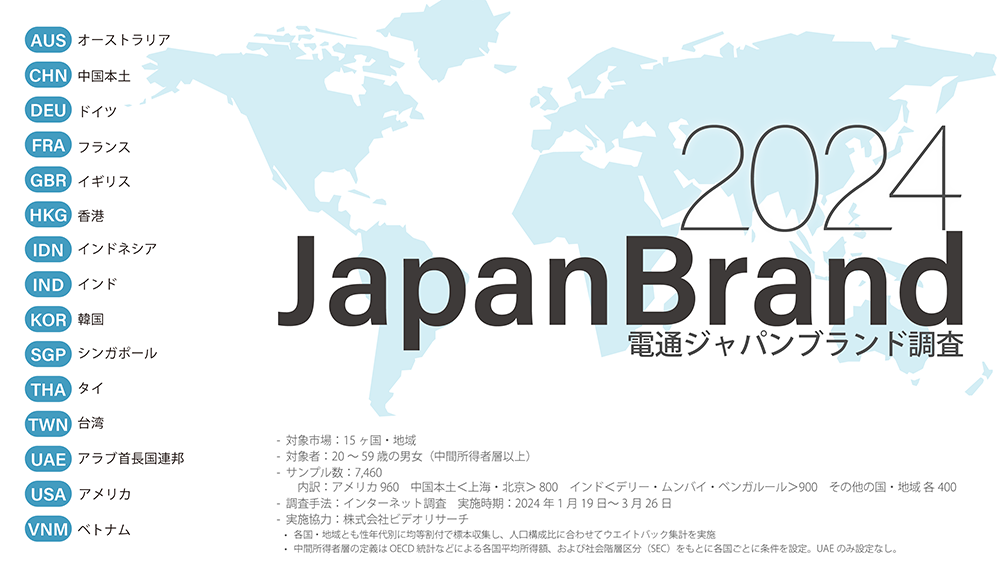
Regarding Dentsu Inc.’s Japan Brand Survey, we conducted it in 15 countries and regions this year.

To briefly summarize the results, among the 15 target markets surveyed, Japan ranked number one as the country or region that people who had visited once for tourism purposes most wanted to revisit. We’ve summarized this from five perspectives.
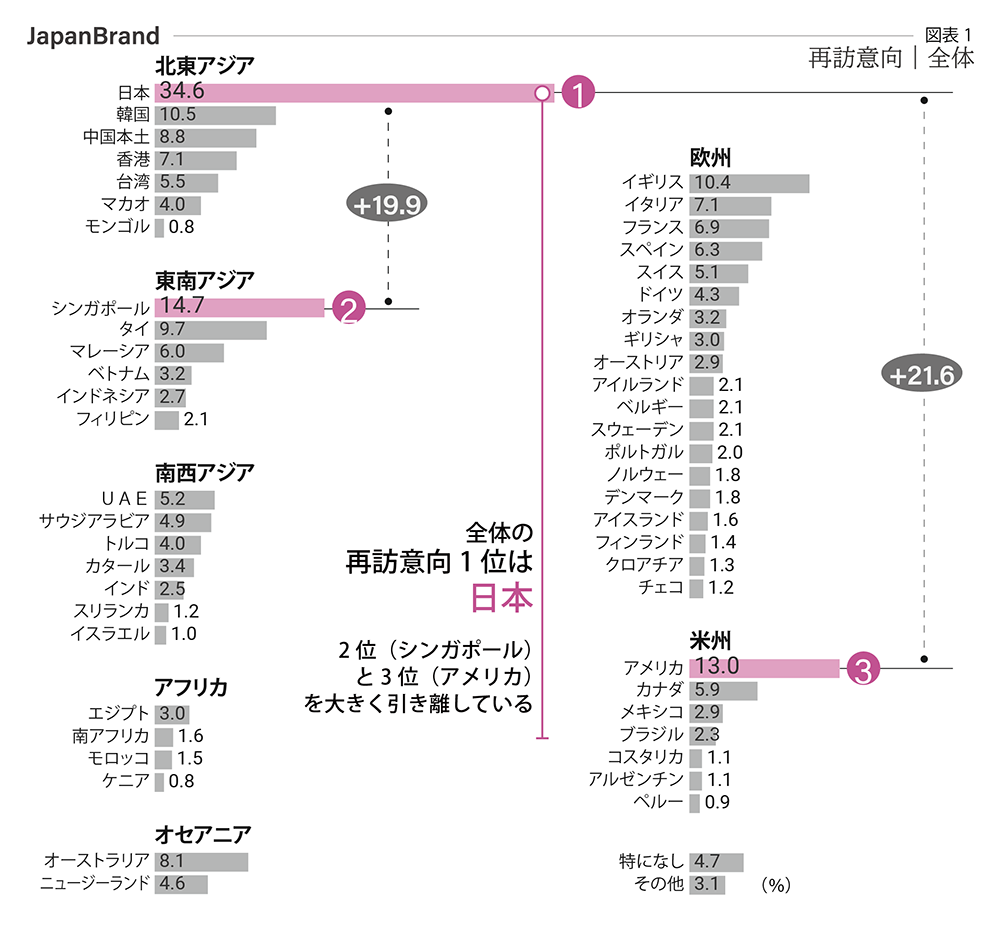
The first perspective is [Expectations]. Japan ranked first in intention to revisit, at 34.6%. With a gap of about 20 percentage points between second-place Singapore and third-place United States, it is clear that Japan holds a significant lead.
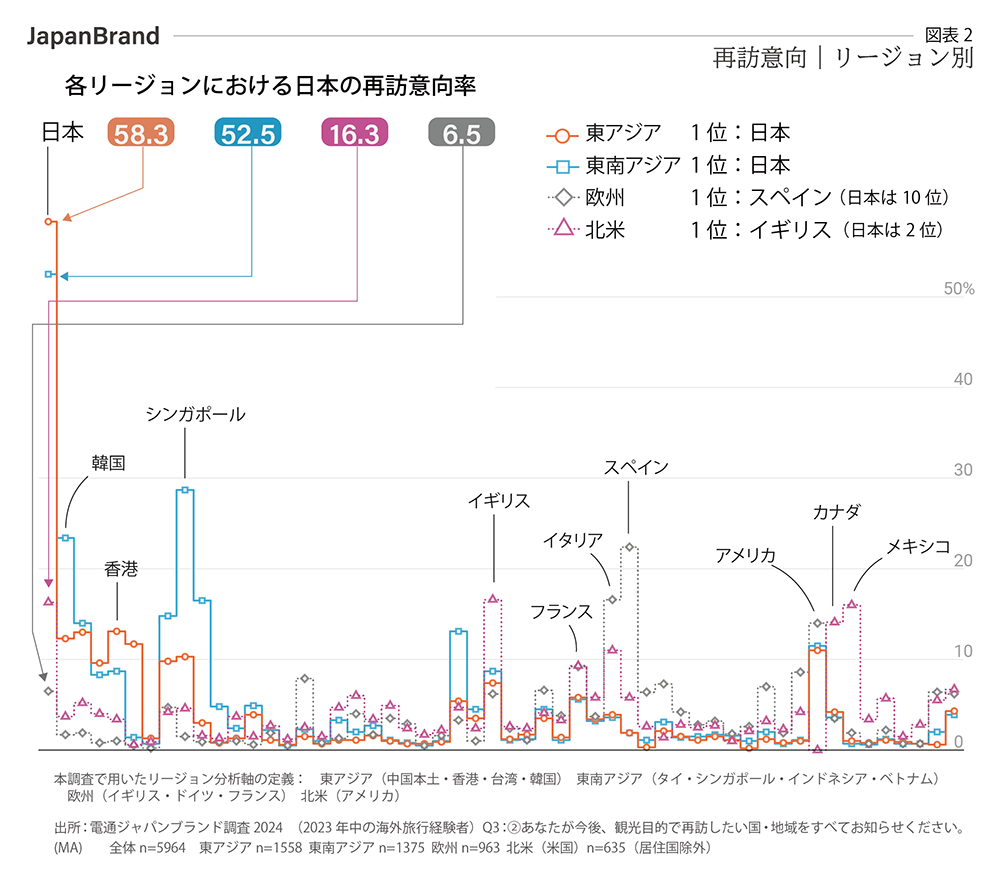
When looking at respondents by region, Japan ranked first in East Asia and Southeast Asia. While the United Kingdom and Spain ranked first in North America and Europe, respectively, Japan ranked 10th in Europe and second in North America, clearly demonstrating that it is a country with a high intention to revisit.
What are the reasons people want to revisit Japan?
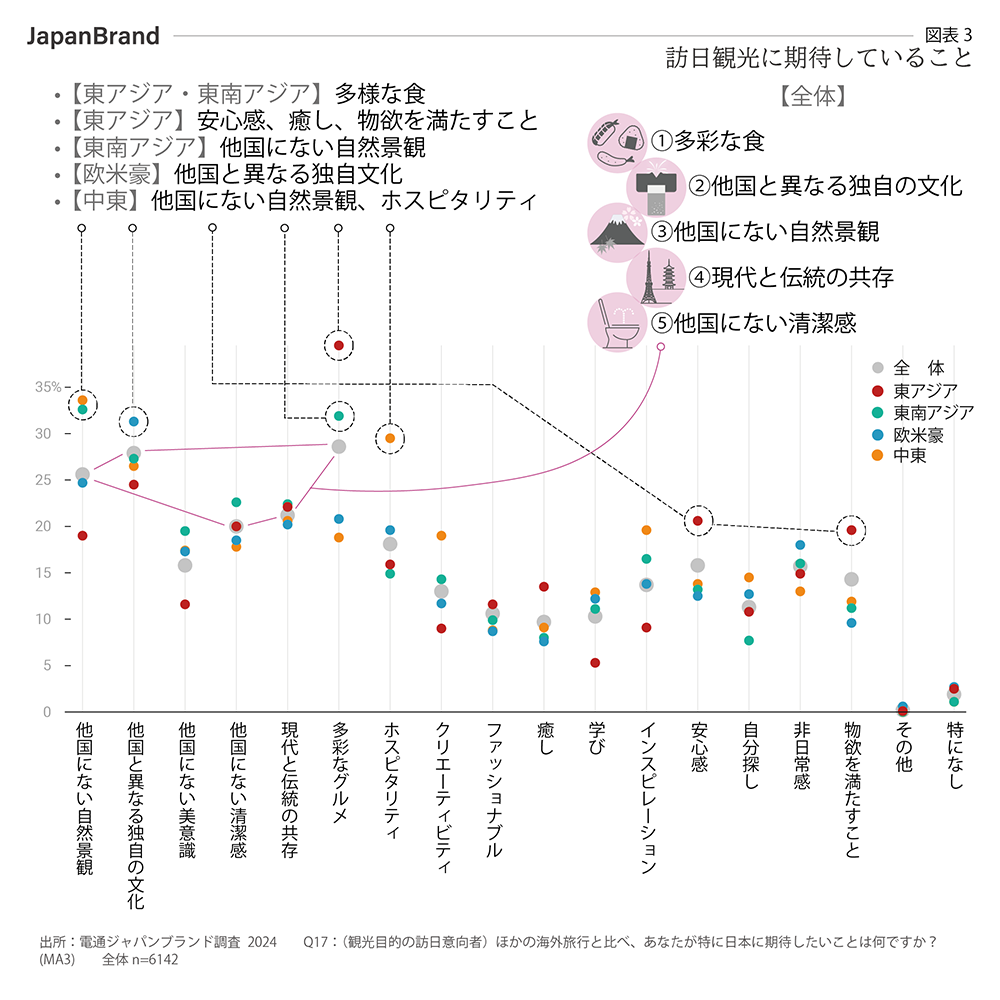
Komatsu: When we asked those intending to revisit Japan what they were looking forward to, “food” ranked first. “Unique culture” came in second, with scores very close to first place. This was followed by “natural landscapes not found in other countries.” “The coexistence of modernity and tradition” and “a level of cleanliness not found in other countries” were also cited, which I think illustrates that people come to Japan to experience its unique culinary and cultural offerings.
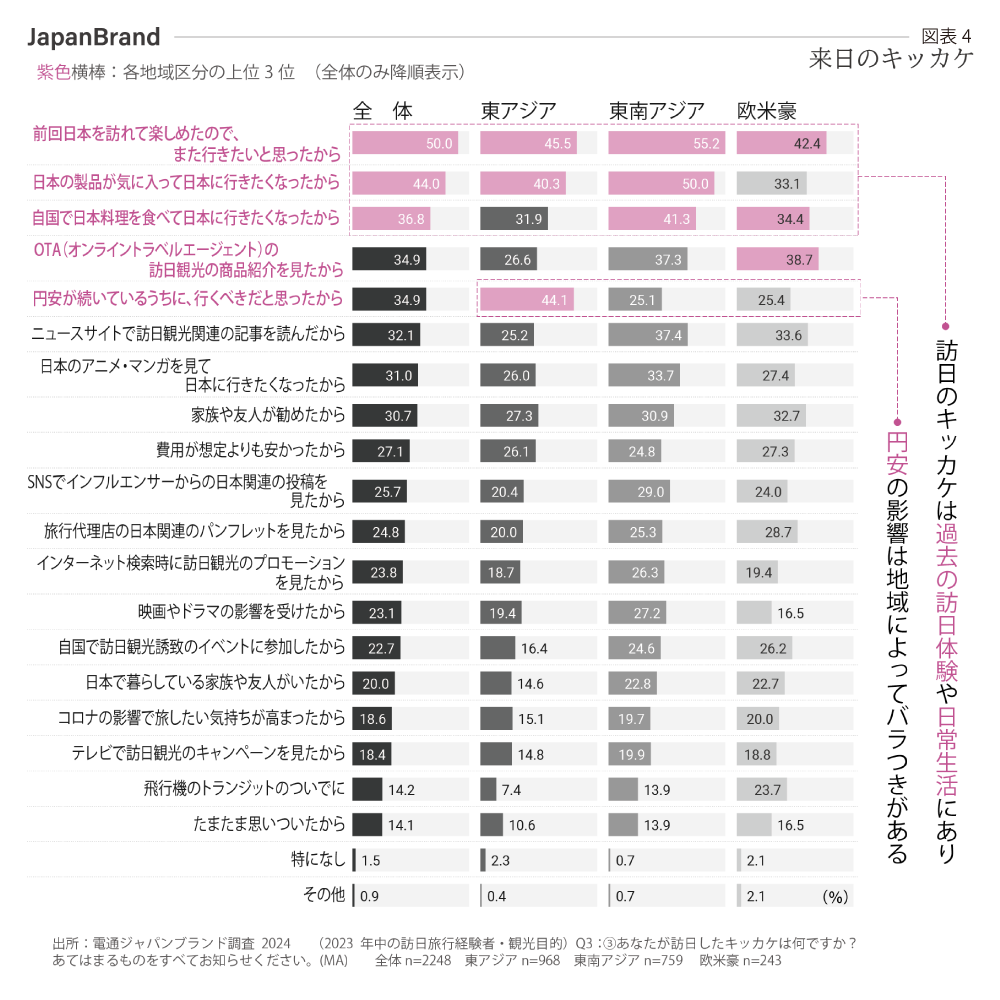
Now, regarding the “trigger”—what prompted them to visit Japan? As is generally reported in the media, the impact of the weak yen is evident. However, even more prominent is the response, “I visited Japan before and wanted to go again.” The percentage of people who want to return because they had a positive experience is high across all regions. Additionally, triggers such as “I liked Japanese products” and “I wanted to try Japanese cuisine in my own country” also show high percentages.
What do you want to do in Japan?
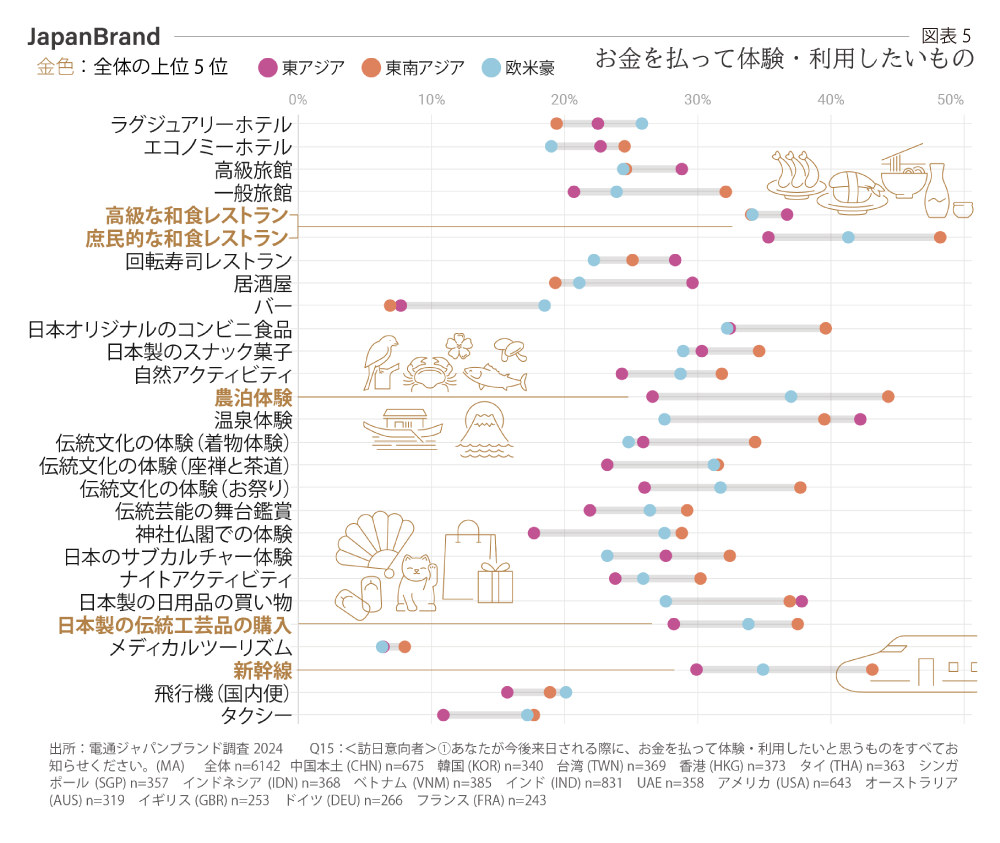
Komatsu: Moving on to the third category, 【Interest】. Here are the responses to the question, “What experiences would you be willing to pay for while in Japan?” Looking at the overall results, “casual Japanese restaurants” and “farm-stay experiences” rank at the top, while responses such as “riding the Shinkansen” and “dining at high-end Japanese restaurants” also appear—so the list includes both casual and upscale options. “Purchasing traditional crafts” is also included.
Looking more closely, we can see that preferences for dining and transportation are expressed across several layers—for example, “izakaya” were selected separately from “down-to-earth Japanese restaurants,” and “taxis” were chosen in addition to the “Shinkansen.”
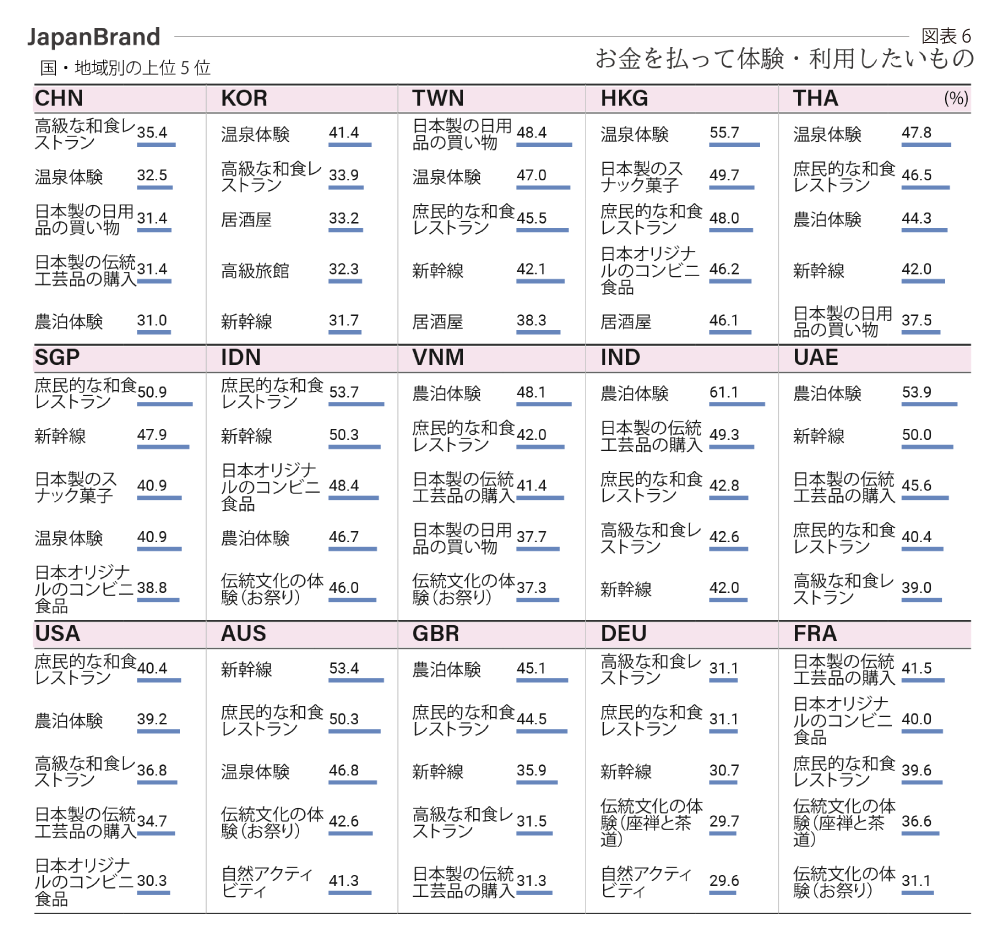
When broken down by country and region, the rankings actually differ significantly, revealing distinct differences between countries. This highlights characteristics specific to each country and region that cannot be discerned from the overall scores.
Barriers to Visiting Regional Areas
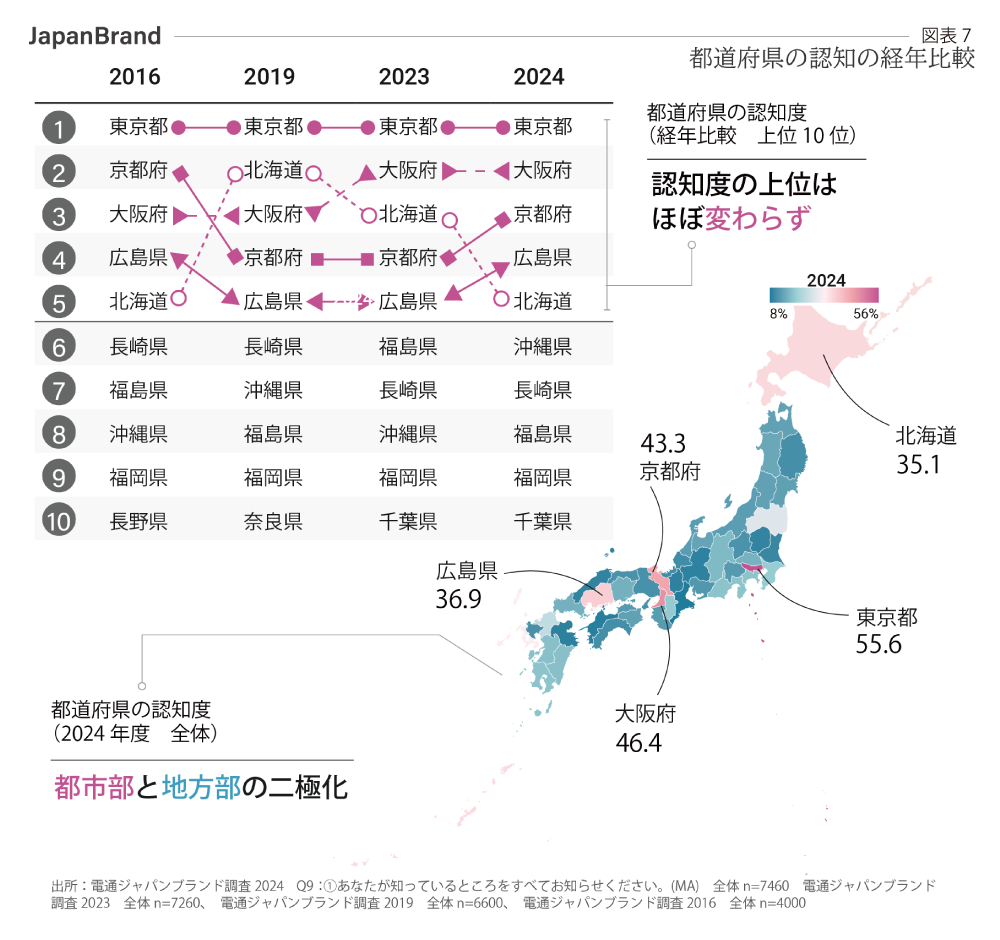
Komatsu: The fourth category is [Regional Areas]. When we look at awareness levels by prefecture over time, while the rankings from 1st to 5th place do change, the specific prefectures listed remain the same. The same prefectures are consistently present in the rankings, albeit with some fluctuation. The rankings from 6th to 10th place also show little change, suggesting that when it comes to regional areas, the range of options available to travelers is still relatively limited.
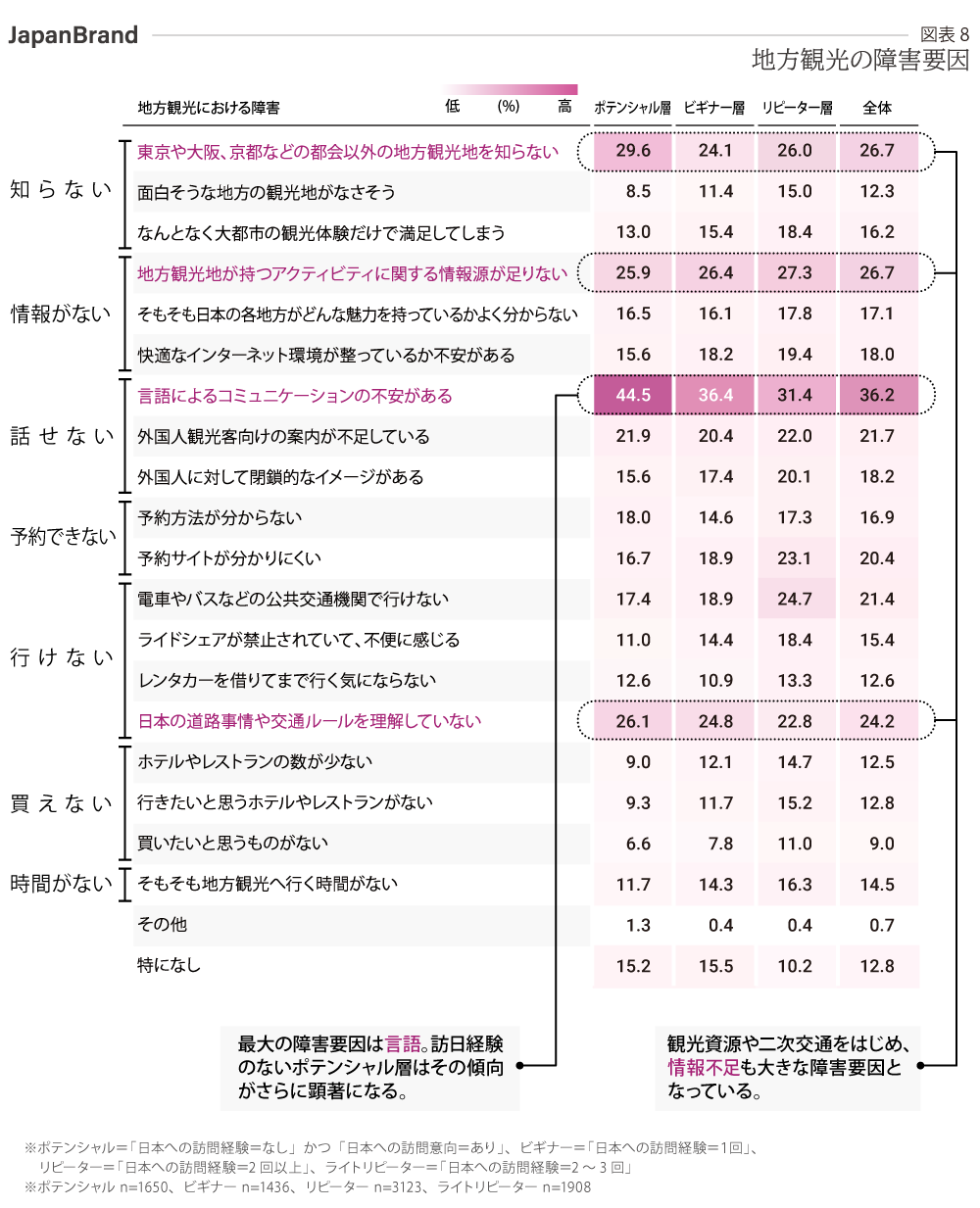
When we analyzed the barriers to regional tourism, the conclusion—to put it simply—is “lack of awareness.” Some people simply don’t know what kinds of tourist destinations exist in the first place, while others lack information on what activities are available in those regions or are unsure how to get there or how the transportation network works.
However, when looking at the specific reasons, the highest-ranked concern is “anxiety about communicating due to language barriers.” It’s safe to say that language-related concerns are one of the barriers to regional tourism.
Popular Japanese Cuisine Varies by Region
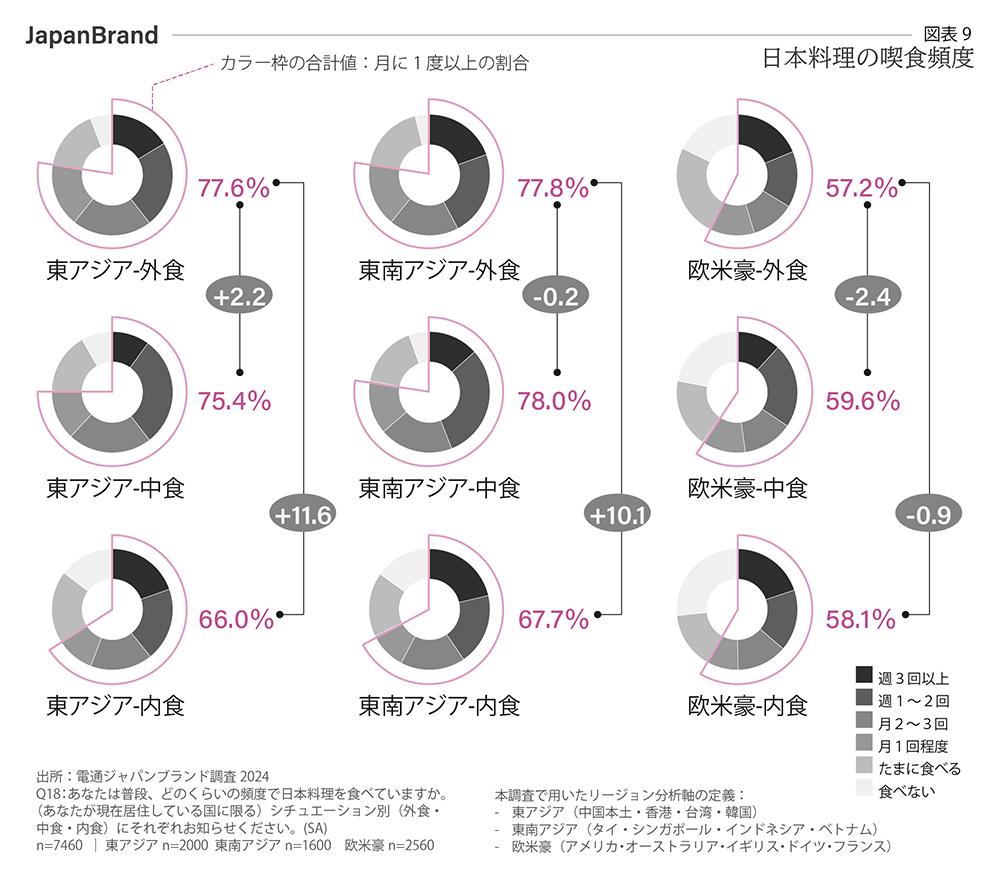
Komatsu: Finally, we have [Japanese cuisine]. There were regional differences in the frequency of Japanese cuisine consumption. In East Asia and Southeast Asia, dining out and eating takeout/delivery was common, while eating at home was less frequent compared to those two categories. In Europe, the U.S., and Australia, the overall frequency was lower than in those two regions, and there was not much difference between dining out, eating takeout/delivery, and eating at home.
*Definitions of consumption situations*
・Takeout/delivery (purchasing pre-cooked foods, or taking home or to the workplace takeout items such as bento boxes and prepared side dishes, or having food prepared outside the home delivered to the home or workplace)
・Home-cooked meals (meals prepared and eaten at home)
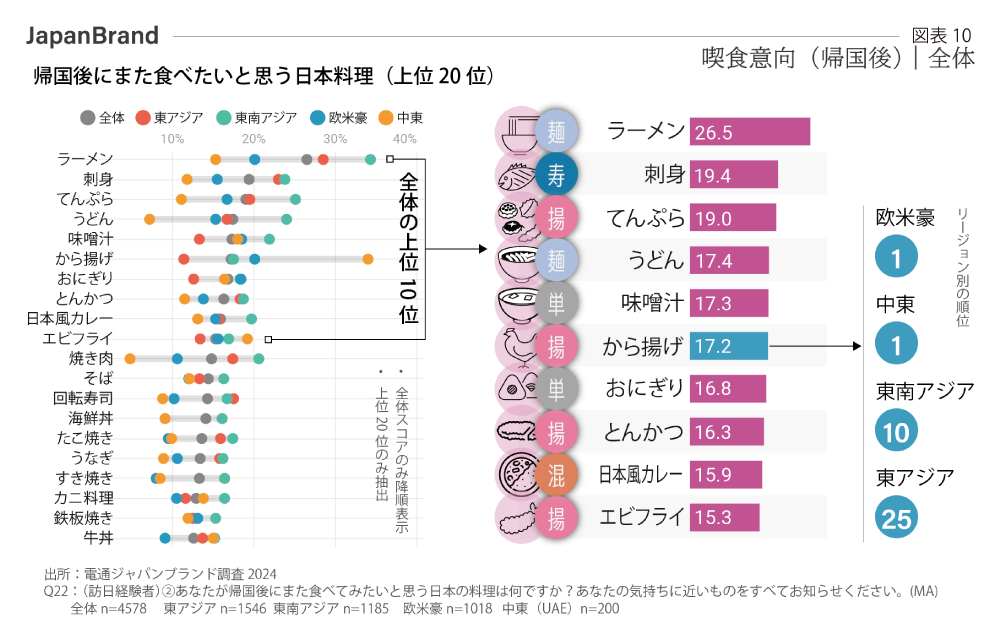
When we asked people who had visited Japan what Japanese food they would like to try in their home country after returning, ramen was the overwhelming top choice. Looking at the results by region, Southeast Asia leads the rankings, followed by East Asia. In contrast, the Middle East scores lower. I believe it is more important to examine what people in each region want to eat rather than focusing solely on the overall score.
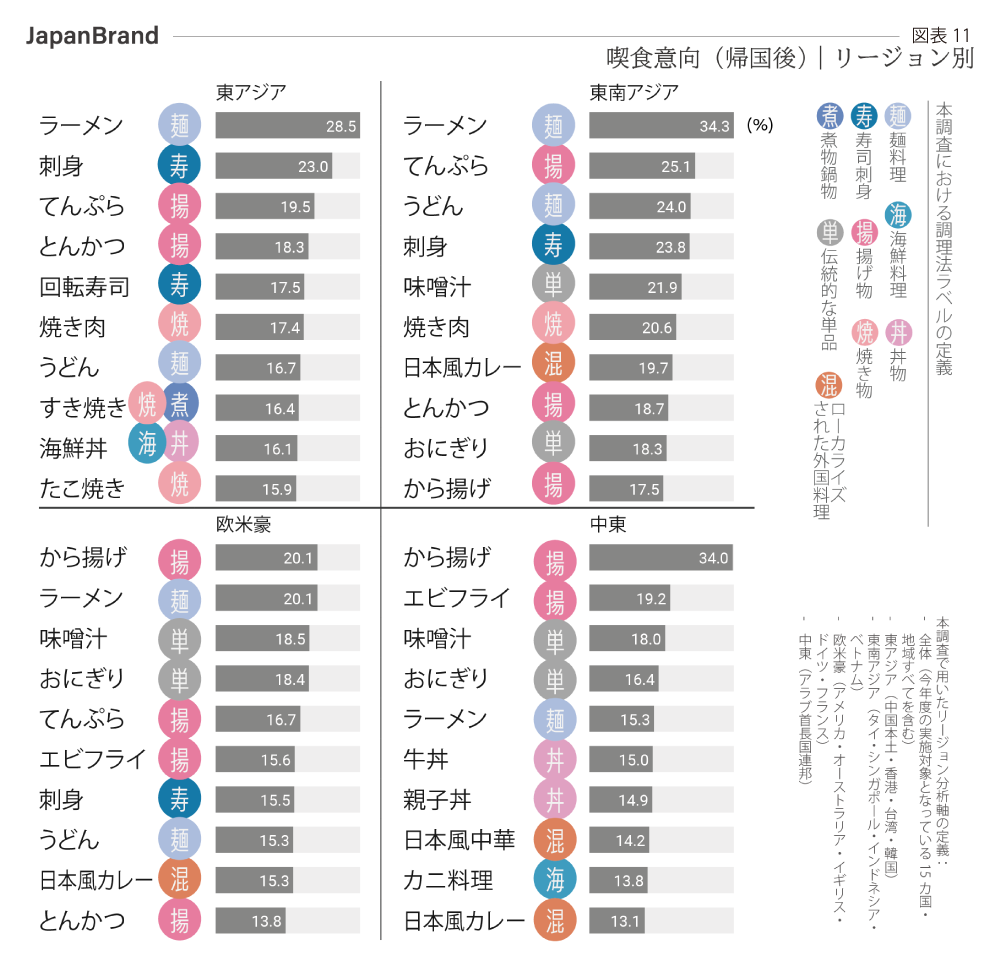
Looking at the top rankings by region in this table, you can see at a glance that the order differs.
The most popular Japanese dish in China is “sushi.”
Komatsu: Now, I’d like to hear your thoughts as well. We’ll discuss the five perspectives—[Expectations], [Triggers], [Interest], [Regional Variations], and [Japanese Cuisine]—in reverse order from earlier, starting with [Japanese Cuisine].
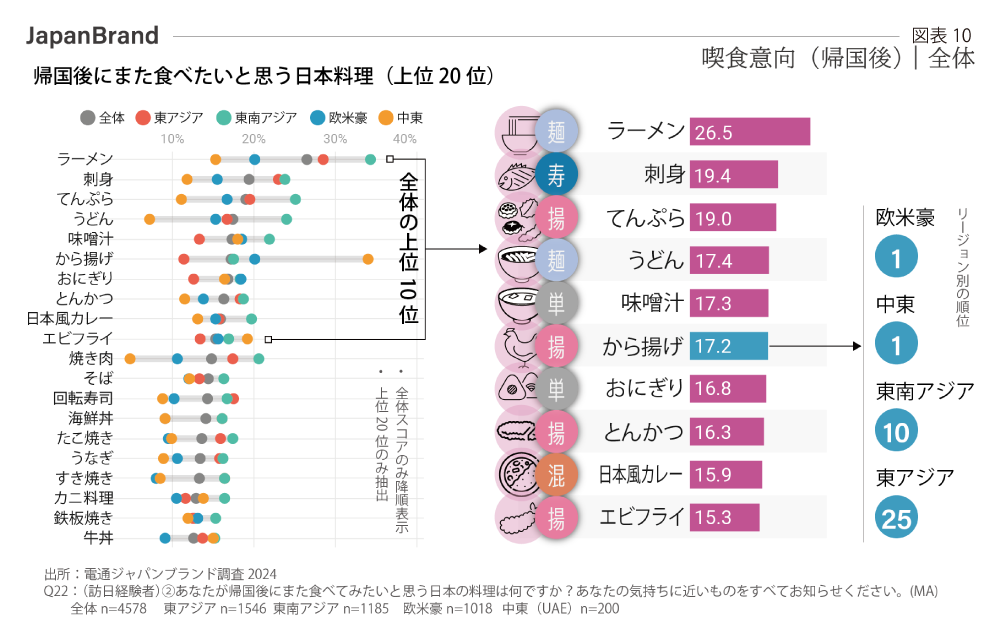
The results showed that ramen is extremely popular, and based on my experience living in Thailand, ramen is indeed very popular there as well—it feels like a “Japanese-style ramen culture” is developing in Thailand. How about in China?
Hai: What’s catching my attention is “sashimi and conveyor-belt sushi.” The reason is that while ramen ranked first overall in the survey with 26.1%, when focusing solely on China, the top spot wasn’t “ramen” (18%) but “sashimi” (20.1%). Looking at the data by gender and generation, young people in their 20s showed a high intention to eat “sashimi and conveyor-belt sushi,” with both surpassing ramen.In particular, the intention to eat “conveyor-belt sushi” among women in their 20s and the intention to eat “sashimi” among men in their 20s are both about 8% higher than that for ramen. While one might normally assume ramen would be popular among men in their 20s, surprisingly, in China, it’s actually sashimi and conveyor-belt sushi that are the favorites. Given the popularity of sushi, I’d like to expand a bit on the topic of sushi in China.
Recently, while on a business trip to Beijing, the hot topic locally was that “Sushiro” had opened its first store in the city. Seeing the huge turnout in the news really drove home just how popular “sushi” has become in China. Sushiro, which first opened a store on the Chinese mainland in 2021, began its expansion in Guangdong Province in the south, then moved inland to cities like Chengdu and Wuhan. This time, moving northward, it opened its first store in the capital, Beijing.
The story of how sushi became popular in China is fascinating, so I’d like to share it. China originally had no culture of eating raw foods. Initially, sushi began to gain traction at high-end Japanese restaurants frequented by Japanese expatriates. Back then, I got the impression that sushi restaurants were quite polarized. While some offered ultra-luxurious, ultra-fresh sushi, there were also cheap sushi spots that looked somewhat like sushi but, to be honest, weren’t very tasty (laughs).
Later, as the times changed, the middle class grew wealthier, and both their purchasing power and awareness of food quality increased. I believe this was influenced by people discovering the deliciousness of Japanese cuisine during trips to Japan around 2014–15, as well as the popularity of Japanese content centered on Japanese food, such as “Midnight Diner.”According to surveys by JETRO (Japan External Trade Organization) and the Ministry of Agriculture, Forestry and Fisheries, the number of Japanese restaurants across China—which stood at approximately 15,000 in 2013—increased more than fivefold over the course of a decade, reaching about 79,000 by 2023. The Japanese food boom in China is truly remarkable. Riding this wave, so-called “Japanese itamae sushi” has become popular in China’s coastal cities.It has become possible to enjoy “itamae sushi” at affordable prices ranging from 20,000 to 30,000 yen.
Furthermore, starting around 2020—when travel to Japan became impossible due to the COVID-19 pandemic—conveyor-belt sushi chains have been accelerating their expansion in China one after another.“Hama Sushi” opened its first store in Shanghai in 2014 and has expanded from 12 stores at the end of 2020 to 60 stores. One factor behind this trend is the “smartification of sushi.” In other words, a business model has emerged that allows for the provision of affordable sushi while ensuring quality in areas such as ingredient procurement, quality control, and service delivery.
Honda: That’s interesting. This slide from China is about sushi, too, isn’t it?
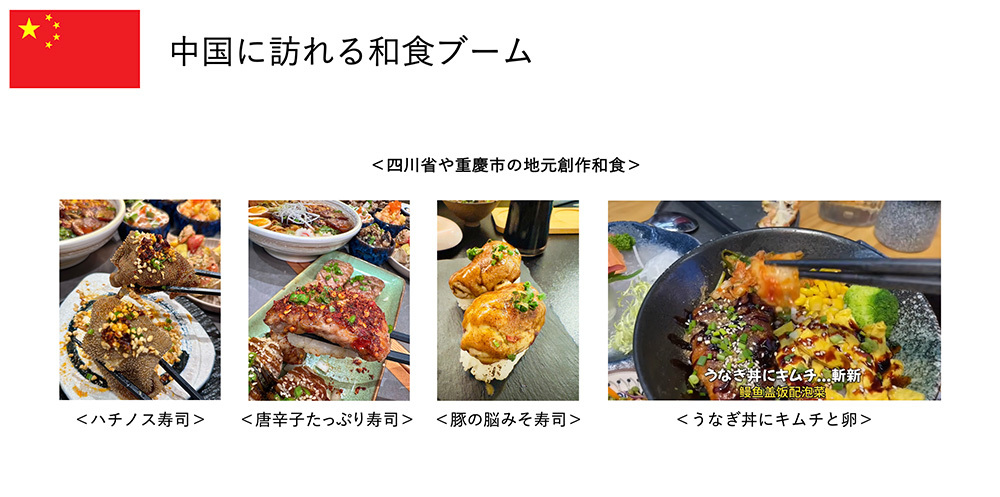
Kai: Yes, this is local sushi from Sichuan Province and Chongqing.There are plenty of local creative twists, such as toppings with generous amounts of chili peppers, tripe sushi, pork brain sushi, and kimchi on top of eel rice bowls. While sushi is often associated with major cities along the southeastern coast, such as Shanghai and Guangzhou, it’s also gaining popularity in inland hubs like Chengdu and Wuhan. However, due to regional characteristics, it’s notable that the sushi is significantly localized from one restaurant to another.
Honda: It’s quite different from what we eat in Japan, isn’t it?
Komatsu: What about Singapore?
Honda: That’s true. Singapore, after all, brings together cuisines from all over—Asia, the West, India, and more—and the quality is very high. Japanese food is particularly popular there. “Sushiro” has opened quite a few locations in Singapore, and you can’t get a table without a reservation anymore.
Komatsu: It’s the same in Thailand.
Kai: Japanese cuisine has now established a brand image worldwide as “delicious, healthy, visually appealing, and trustworthy.” In China, there was a local brand that achieved success by building a comprehensive marketing strategy—from product development and packaging design to distribution channels and communications—while drawing inspiration from this image of Japanese food and beverages. There are several success stories, but the most typical example is a certain beverage brand.
It’s a truly fascinating success story, but since explaining the background of its product development would take too much time, to put it simply, they cultivated an image of “healthy, stylish, delicious, and youthful”—one that evokes Japanese beverages—at both the branding and marketing levels.
In the area of marketing communications (MarCom), they adopted a comprehensive communication strategy targeting young people. At the top of the funnel, they made maximum use of social media to implement initiatives aimed at expanding awareness among young people and cultivating the brand image.At the same time, regarding distribution channels, we avoided supermarkets—where existing major manufacturers held a strong position—and instead focused our capital investment on convenience stores and e-commerce. In this way, by combining brand image building through the full utilization of social media with “vertical” marketing—partnering with distribution channels frequently used by our target demographic, such as convenience stores and e-commerce—we achieved rapid success and, for a time, garnered significant attention as a growth star in this category.
The State of Japanese Cuisine in Thailand and Singapore
Komatsu: I’d also like to touch on Thailand for a moment. Among Japanese restaurants in Thailand, I get the impression that yakiniku restaurants are increasing significantly. In rural areas of northeastern Thailand, people sometimes eat beef raw, but outside of that region, Thais didn’t used to eat much beef. When I asked a Thai acquaintance about this, they explained that people visit Japan, discover delicious beef, and then return to Thailand. As more people have come to know the taste of that delicious meat, the number of yakiniku restaurants has increased within Thailand as well.
Honda: Are those yakiniku restaurants run by Thai investors, or are they Japanese-owned?
Komatsu: I think most of them are Thai-owned. While there are some restaurants catering to Japanese customers, the ones that Thai people prefer to frequent are mostly Thai-owned. I’m really impressed by how well they’ve researched the market.
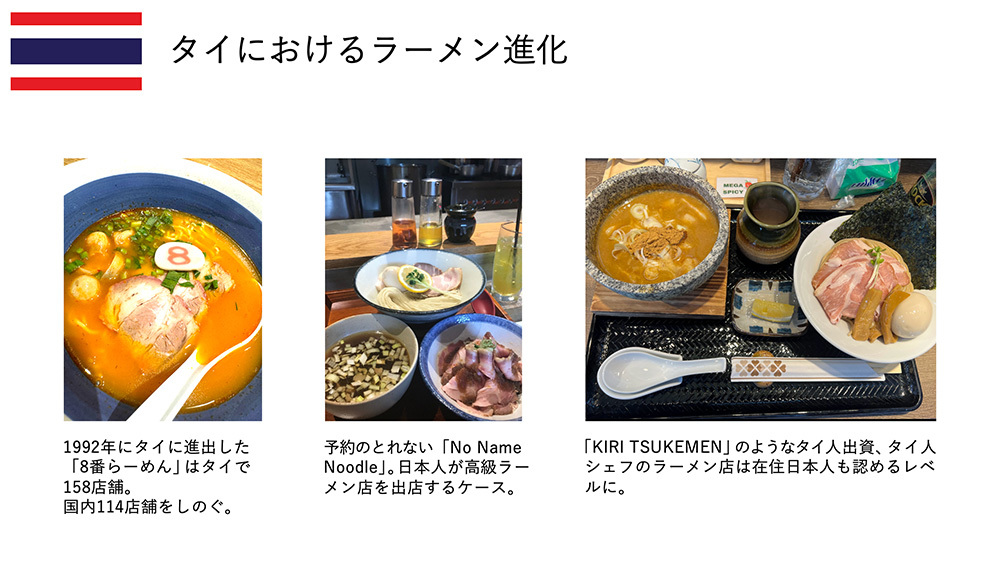
As for Thai ramen, I’m originally from Kanazawa City, and for people from Ishikawa Prefecture, “8-ban Ramen” is a soul food—we’ve been eating it since we were kids. A Thai businessman visited Ishikawa Prefecture, tried this ramen, and said, “I want to do this in my country too.” He launched the chain in Thailand in 1992.
Honda: There are an incredible number of locations in Thailand!
Komatsu: That’s right. There are actually more in Thailand than in Japan. So when I visited Thailand, I was really happy to find that Thais and I share the same soul food. As you can see in the photo in the center, Japanese people have opened high-end ramen restaurants there, but they’re always fully booked with Thai customers. The photo on the right shows a shop owned by a Thai person. It’s been carefully researched and crafted to a level where even Japanese people find it truly delicious. It’s come a long way. What about Singapore?
Honda: I was actually surprised myself when I went to Singapore—it was more than I expected. But when discussing the relationship between Singapore and Japanese brands, “Don Quijote” is a must-mention. It’s completely different from the perception Japanese people have of Donki; in Singapore, it’s a supermarket specializing in fresh produce. Under the brand name “DON DON DONKI,” they’ve expanded to 16 stores.
No matter which shopping mall you go to, you’ll find a Donki just like you’d find a Uniqlo. As a Japanese person, I’m proud of that, but the way it’s operating there is completely different from how it is in Japan. I never would have imagined going to Donki to buy ingredients for dinner. When a connection to Japan is established so close to home like this, locals naturally become interested in Japan, and they might even think, “I’ll try eating the food I bought at Donki when I visit Japan.” I think this kind of experience can serve as a catalyst.
That wraps up our AWA session featuring members with experience living in Asia, but to conclude, Ryunosuke Tsuzuki—also a member of the Dentsu Inc. Brand Research Team—will share insights on the state of Japanese cuisine in the U.S., where he has lived.
Even on the West Coast of the U.S., where I spent my student years, Japanese food is very popular and has developed its own unique culinary culture adapted to the needs of the times.
Back in 2001, when I first moved to the U.S., the variety of Japanese cuisine was limited, and even ramen—which is hugely popular today—was mostly served at small shops frequented by local Japanese residents and their neighbors.
Eventually, driven by growing interest in Japanese culture fueled by “soft power” via the internet, Japanese brands began entering the market one after another, primarily in shopping centers. Although the prices of these dishes are three to four times higher than in Japan, it’s not uncommon to see long lines.
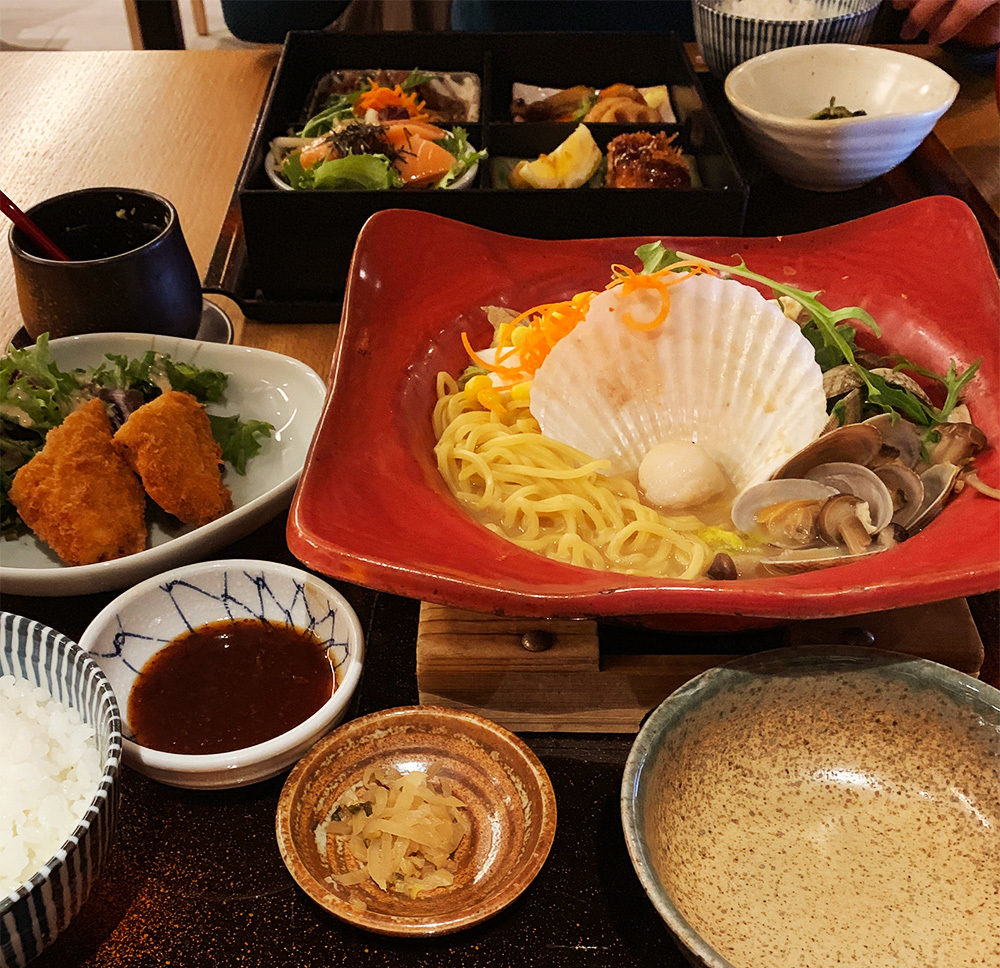
Since then, I feel that the shift in awareness toward healthy eating following the pandemic has led to a greater emphasis on the “freshness” of food, which has further strengthened the association between Japanese cuisine and health.
In particular, raw dishes like sushi and sashimi are becoming increasingly popular among a wider audience, partly because they are readily available. Japanese cuisine, which was once considered a niche “ethnic cuisine,” now enjoys enduring popularity as a prime example of healthy dining.
[Contact Information for Inquiries Regarding This Matter]
Dentsu Inc., Japan Brand Project Team
japanbrand@dentsu.co.jp
Japan Brand Survey Hub Page
https://www.dentsu.co.jp/knowledge/japan_brand/
[Purpose of the Dentsu Inc. Brand Survey]
Launched in 2011—when the Great East Japan Earthquake led to reputational damage affecting Japanese agricultural and marine products as well as inbound tourism—this is Dentsu Inc.’s proprietary commercial marketing research initiative designed to understand how products and services originating in Japan are perceived globally.The Japan Brand Survey regularly assesses overseas consumers’ perceptions and actual behaviors regarding the Japan brand as a whole, covering areas such as overseas travel, inbound tourism, culture, regional revitalization, Japanese cuisine, Japanese products, and lifestyle. By visualizing shifting consumer sentiments and the challenges and potential of the Japan brand, the survey contributes to increasingly complex corporate activities while also promoting cross-cultural understanding within Japanese society.
[Dentsu Inc. Brand Survey 2024: Survey Overview]
・Target Areas: 15 countries and regions (United States, Australia, United Kingdom, Germany, France, India, United Arab Emirates, Indonesia, Singapore, Thailand, Vietnam, Mainland China, Hong Kong, Taiwan, South Korea)
・Sample Size: 7,460 (Breakdown: United States 960, India 900, Mainland China 800, other countries and regions 400 each)
・Survey Period: January 19–March 26, 2024
・Eligibility criteria: Men and women aged 20–59 (middle-income and above)
・Survey Method: Online survey
・Research Organizations: Dentsu Inc. (Principal Investigator), Video Research Ltd. (Implementation Partner)
[Notes and Disclaimers]
*1: The target areas in mainland China are primarily Tier 1 cities; in India, they are Delhi, Mumbai, and Bengaluru; in Australia, the Sydney metropolitan area; and in Southeast Asia, they are primarily metropolitan areas.
*2: Definition of middle-income group: Criteria were established for each country based on average national income figures (such as OECD statistics) and socio-economic classification (SEC).
*3: Samples were collected using equal allocation by gender and age group in each country and region, and the data was weighted to reflect the population distribution.
*4: Since the composition ratios in this survey are rounded to the second decimal place (or to the first decimal place where displayed as whole numbers), the totals may not add up to 100%.
*5: In creating the charts and tables for this survey, the names of the countries and regions analyzed use the international standard ISO country codes (ISO 3166-1 alpha-2/3), with a few exceptions.
United States/US/USA, Canada/CA/CAN, Australia/AU/AUS, United Kingdom/UK/GBR, Germany/DE/DEU, France/FR/FRA, Italy/IT/ITA,Spain/ES/ESP, Finland/FI/FIN, United Arab Emirates/UAE, Saudi Arabia/SA/SAU, India/IN/IND, Indonesia/ID/IDN, Singapore/SG/SGP, Malaysia/MY/MYS, Philippines/PH/PHL, Thailand/TH/THA,Vietnam/VN/VNM, Mainland China/CN/CHN, Hong Kong/HK/HKG, Taiwan/TW/TWN, South Korea/KR/KOR
*6: The names of countries and regions used in this survey report and on our website are based on the Japanese government’s long-standing position, as well as Japanese social norms and business practices.
*7: The names of countries and regions used in this survey are for statistical or analytical convenience only and do not imply any political stance or opinion.
*8: The maps used in this survey (world map and map of Japan) have been partially modified and cropped to suit the analysis content and page layout; therefore, they may not necessarily reflect national borders and territorial boundaries accurately.
*9: As a commercial marketing research study aimed at understanding the lifestyle habits and brand preferences of general consumers, this survey has been conducted consistently since its inception through commissioned fieldwork partners, in strict compliance with local laws, regulations, and public order and morals.Surveys conducted in China are carried out through fieldwork contractors who have obtained the “Foreign-Related Survey Permit” required by Chinese authorities; our company does not conduct market research activities within China itself. Furthermore, we monitor and review our operational procedures as necessary in light of developments such as changes in laws and regulations.
*10: The response data collected through this survey is obtained, managed, and processed lawfully in accordance with the relevant laws and regulations of each target market. The data we receive consists solely of aggregated data that has been anonymized in a manner that does not allow for the identification of specific individuals and cannot be reversed; it does not contain any personal information.
Was this article helpful?
Share this article


Newsletter registration is here
We select and publish important news every day
For inquiries about this article
Back Numbers
Author
Honda Tetsuya
Honda Office Co., Ltd.
President and CEO / PR Strategist
Hitomi Komatsu
Dentsu Inc.
Global Business Center
Strategic Planner

Kai Meimei
Dentsu Inc.
Global Business Center
Strategic Planner
Ryunosuke Tsuzuki
Dentsu Inc.
Global Business Center
Business Designer